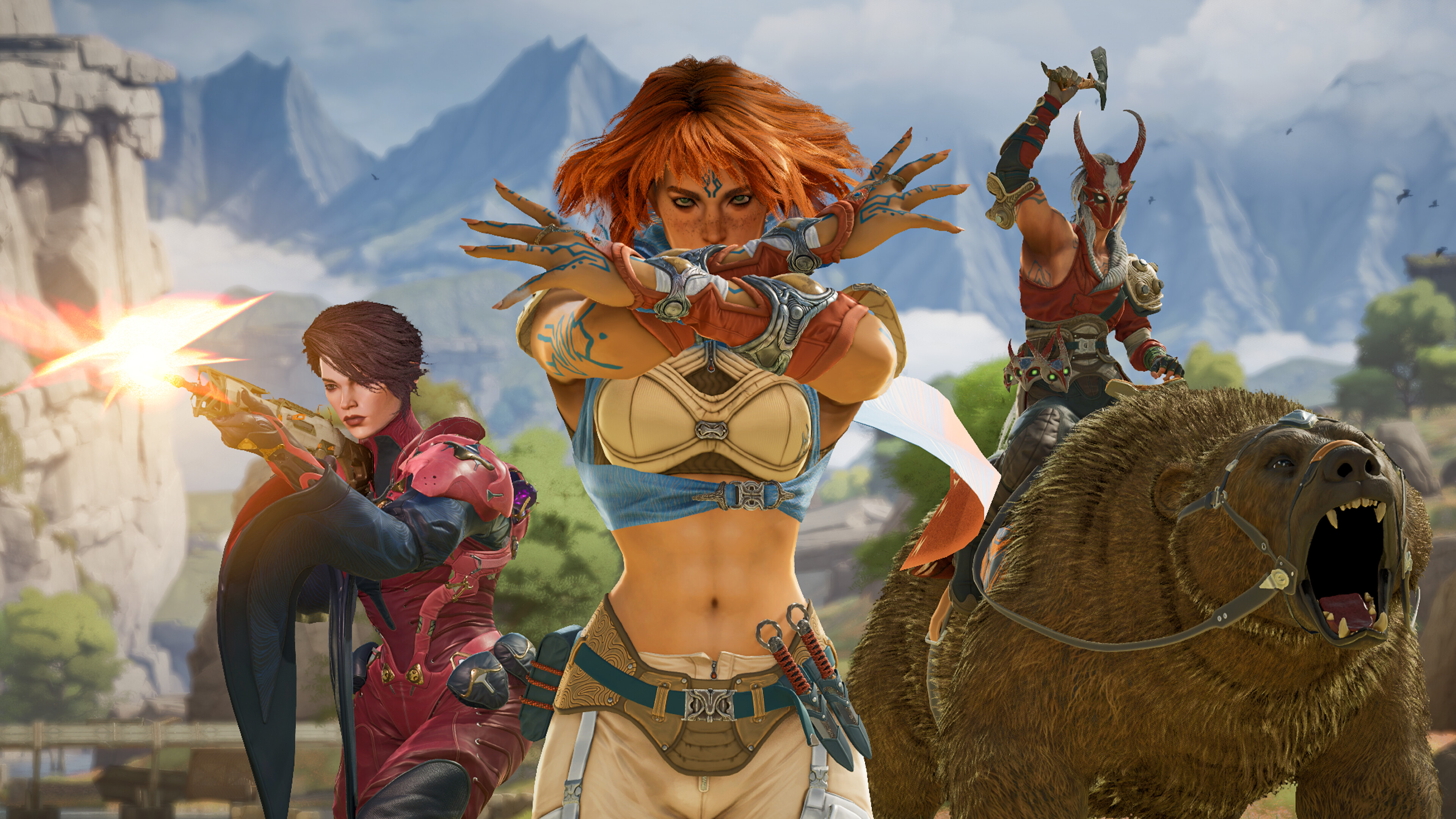
Highguard, the new free-to-play hero shooter from Wildlight Entertainment, launched with big ambitions: fast 3v3 matches that blend MOBA-style teamwork with Paladin-like combat. Early chatter compared its vibe to familiar arena shooters, and the game even caught the attention of major streamers. But within weeks of release, the conversation around Highguard shifted from “promising new PvP game” to a case study in how launch-day perception, performance concerns, and developer messaging can collide.
One of the more balanced early takes came from popular streamer Shroud, who said the game gave him “Realm Royale vibes.” He wasn’t fully satisfied with what he played, but he also left the door open for improvement—if the team moved quickly. His point was simple: when a game starts “on the back foot,” updates and patches need to land fast, because first impressions harden into a reputation sooner than many studios expect.
That reputation problem only intensified as harsher critiques spread. YouTuber Asmongold was among the loudest voices, branding Highguard “Concord 2,” a label that quickly became part of the wider online narrative. Around the same time, a LinkedIn post from a senior-level designer who had lost his job suggested that “most of the team at Wildlight” had been laid off roughly two weeks after launch—fueling the sense that Highguard’s rollout had gone worse than expected behind the scenes.
Then came the moment that truly poured fuel on the fire: a now-deleted, lengthy post on X from developer Josh Sobel. In a piece titled “Reflecting on shipping my first game (Highguard),” Sobel described the studio’s mood leading up to the reveal, including confidence built on internal feedback and encouragement from people around the team. He wrote that after 2.5 years of passionate work, the future looked bright—until the trailer dropped and the reaction turned sharply negative.
Sobel’s post also argued that content creators often amplify negativity because outrage drives engagement. But that claim became a focal point for pushback, with critics countering that creators generally chase what audiences already feel. Asmongold, for example, argued that positive games generate massive positive coverage as well—pointing out that praising beloved hits is also a reliable way to get views. In his view, blaming “ragebait” ignores the more uncomfortable explanation: if broad public interest turns sour, it’s often because something about the product—or how it’s presented—didn’t land.
The deleted post further frustrated players by framing many criticisms as “hate,” according to how it was discussed afterward. Some of the complaints cited were the sort that frequently appear in rough launches: character design jabs (including one hero being mocked as “John Video Game”), sarcastic memes, and the kind of harsh dunking that tends to swarm a new free-to-play release. Sobel also claimed the game received “over 14k review bombs” from users with less than an hour of playtime, saying many didn’t finish the tutorial.
Regardless of where someone falls on Highguard’s quality, this controversy highlights a pattern gamers have become increasingly sensitive to: when a studio appears to blame its audience for a game’s struggles, the backlash often grows louder than it would have from the gameplay alone. Players expect developers to disagree with criticism at times, but they also want to feel heard—especially when launch feedback centers on performance, feel, and first impressions. When the response sounds dismissive, it can reinforce the idea that the team isn’t prepared to fix what players are actually experiencing.
For Highguard, the result is a tough double bind. Updates may still improve the game and win back skeptics, but recovering from a rocky launch is hard enough without a public argument over who’s responsible for the narrative. In today’s competitive free-to-play shooter space, perception spreads fast, and the studios that weather early storms best are usually the ones that absorb criticism, communicate clearly, and focus on visible fixes instead of fighting the crowd.