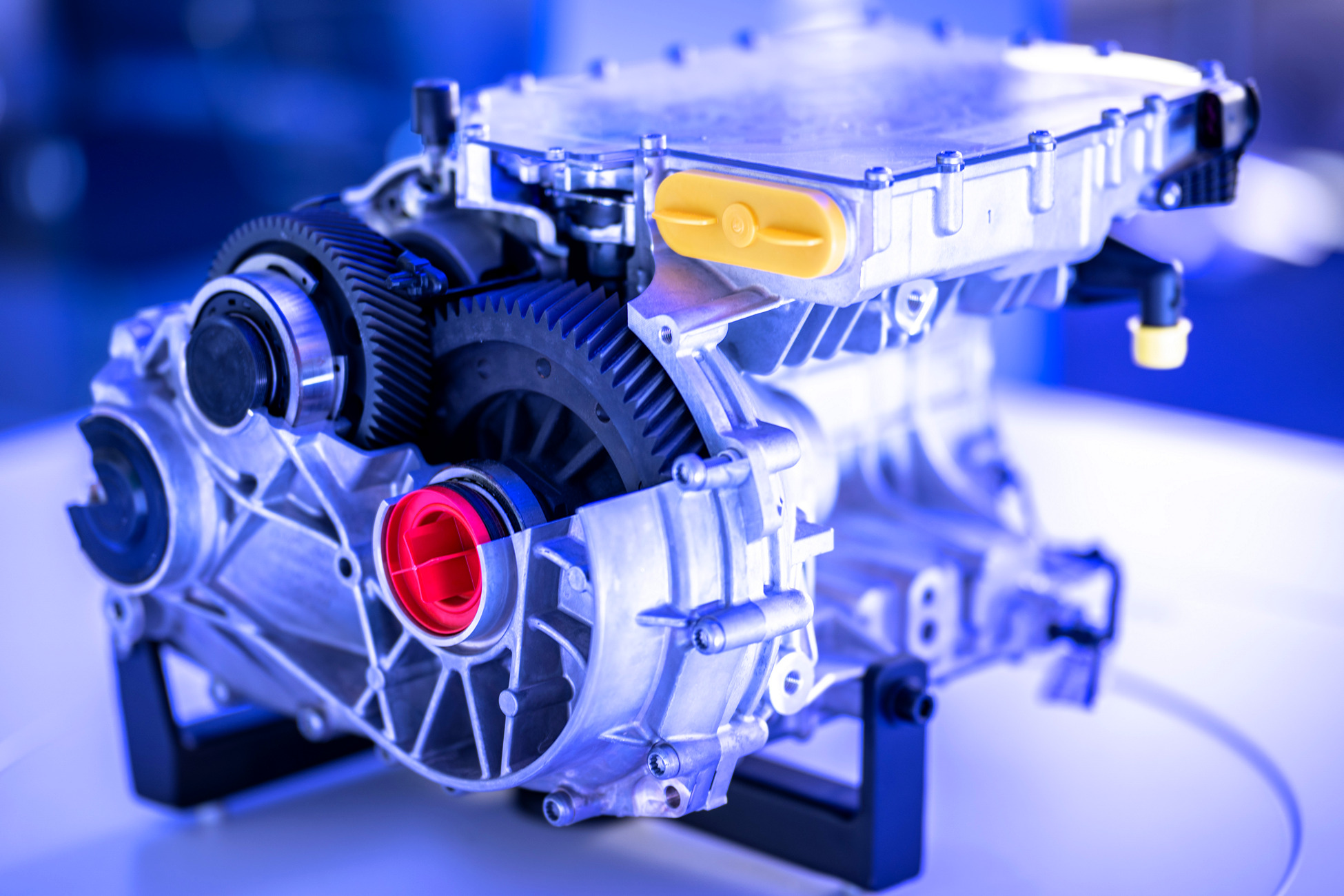
A historic downturn is hitting the German car industry, and the numbers from 2025 point to a structural shift rather than a short-lived dip. Even as German brands continue to develop advanced technology—such as highly efficient electric drive systems already produced in the millions—the wider industry is losing momentum at home and abroad. The result is a growing threat to jobs, suppliers, and Germany’s position in key export markets.
The latest industry figures show that German vehicle manufacturers and suppliers ended 2025 with sales down another 1.6 percent. That may sound modest at first glance, but the employment impact is far more severe. The automotive sector cut 6.2 percent of its workforce, pushing total employment down to roughly 725,000—its lowest level in 14 years. Nearly 50,000 jobs disappeared in a single year, underscoring how quickly the pressure is spreading across production lines, back offices, and supply chains.
The pain is especially intense in certain federal states where the auto sector isn’t just a major employer—it’s the backbone of the regional economy. Saarland, where about one in every twenty jobs depends on the automotive industry, saw employment drop by almost 11 percent in 2025 alone. Looking back to 2019, several core industrial regions—including North Rhine-Westphalia, Hesse, and Thuringia—have each lost more than 20 percent of their automotive jobs. One exception stands out: Brandenburg has seen employment surge by more than 200 percent, showing how unevenly the industry’s transformation is playing out across Germany.
Suppliers are at the center of this crisis. While large manufacturers can still rely on financial reserves, many small and medium-sized suppliers are running out of options. Insolvencies have climbed to a 14-year high, and plant closures are becoming increasingly common. Supplier revenues have fallen around four times as sharply as those of vehicle manufacturers, highlighting how quickly turbulence at the top trickles down into the parts makers and specialist firms that keep the industry running. Since 2019, almost one in four jobs in the German supplier sector has been eliminated—an alarming contraction in a country famous for engineering depth and industrial resilience.
At the same time, global demand patterns and intensifying competition are adding to the strain. Exports to the United States—still the most important market for German vehicles with turnover of 28.5 billion euros—fell by 18 percent last year. The slide is even more dramatic in China. Once Germany’s second most important export destination for vehicles, China has dropped to sixth place, with exports sinking to their lowest level since 2009.
Meanwhile, the European Union’s auto trade balance with China has flipped in a way few would have expected just a few years ago. EU vehicle exports to China fell 34 percent to 16 billion euros, while imports of cars and car parts from China rose to a record 22 billion euros. For the first time, China’s automotive exports to the EU are worth more than the EU’s exports to China. What was an export surplus of 23 billion euros in 2019 has transformed into a six billion euro deficit—a symbolic turning point that reflects how rapidly competitive dynamics are changing.
Taken together, these trends paint a clear picture: the German automotive industry is facing a high-stakes transition shaped by weakening demand in key markets, rising import pressure from Asia, and an especially brutal shakeout among suppliers. For workers, regions, and companies tied to the sector, 2025 may be remembered as the year the downturn stopped looking cyclical—and started looking like a fundamental reset.