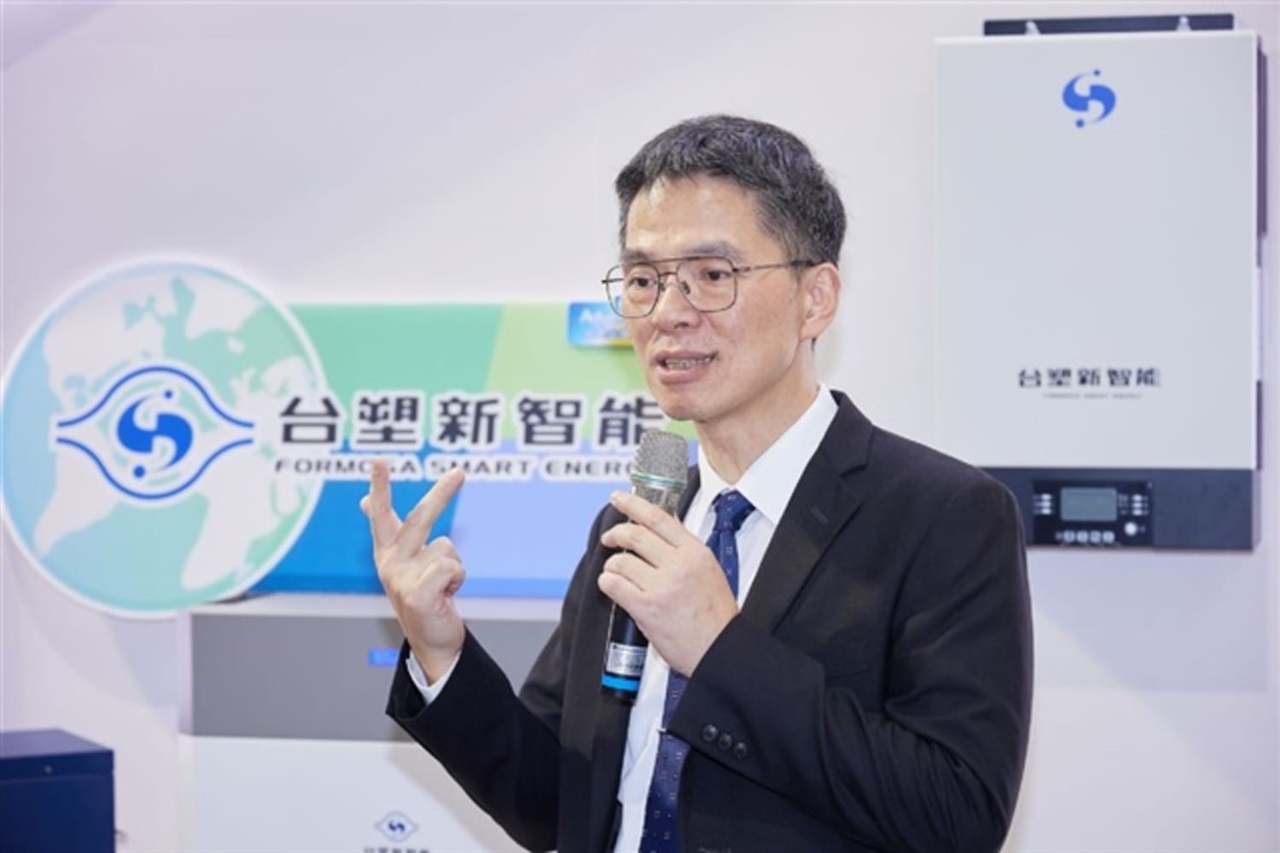
Formosa Smart Energy Tech (FSET) is pushing ahead with an ambitious plan to strengthen battery recycling and energy storage in response to a fast-changing global energy landscape. As electricity demand rises worldwide—fueled by ongoing geopolitical tensions and the rapid expansion of AI and data-driven industries—the company is positioning itself to support a more resilient, locally rooted energy ecosystem.
At the center of FSET’s strategy is the goal of building a localized circular supply chain for batteries. That means creating a system where used batteries and related materials can be collected, processed, and reused domestically, reducing dependence on overseas sourcing and helping stabilize supply amid global uncertainty. By focusing on circularity, the company aims to improve resource efficiency while supporting long-term sustainability goals that are increasingly important to governments, utilities, and major industrial buyers.
FSET’s roadmap combines two closely linked priorities: battery recycling and energy storage. Recycling helps recover valuable materials and lowers waste, while energy storage helps manage peak electricity demand and improves grid reliability—especially as power systems face heavier loads from AI infrastructure and electrification. Together, these two pillars can help form a more self-sustaining energy loop: materials are reused, and stored power helps smooth out supply-and-demand swings.
The company plans to establish this localized battery recycling and energy storage setup by 2027, a timeline that reflects how urgent energy security and grid stability have become. With demand climbing and global supply chains still vulnerable to disruption, initiatives like this are gaining attention as practical, scalable ways to strengthen domestic energy independence.
By investing in battery recycling infrastructure and expanding energy storage capabilities, FSET is aiming to play a bigger role in the future of clean energy, grid resilience, and circular economy development—areas expected to see growing demand as electricity consumption continues to surge over the coming years.