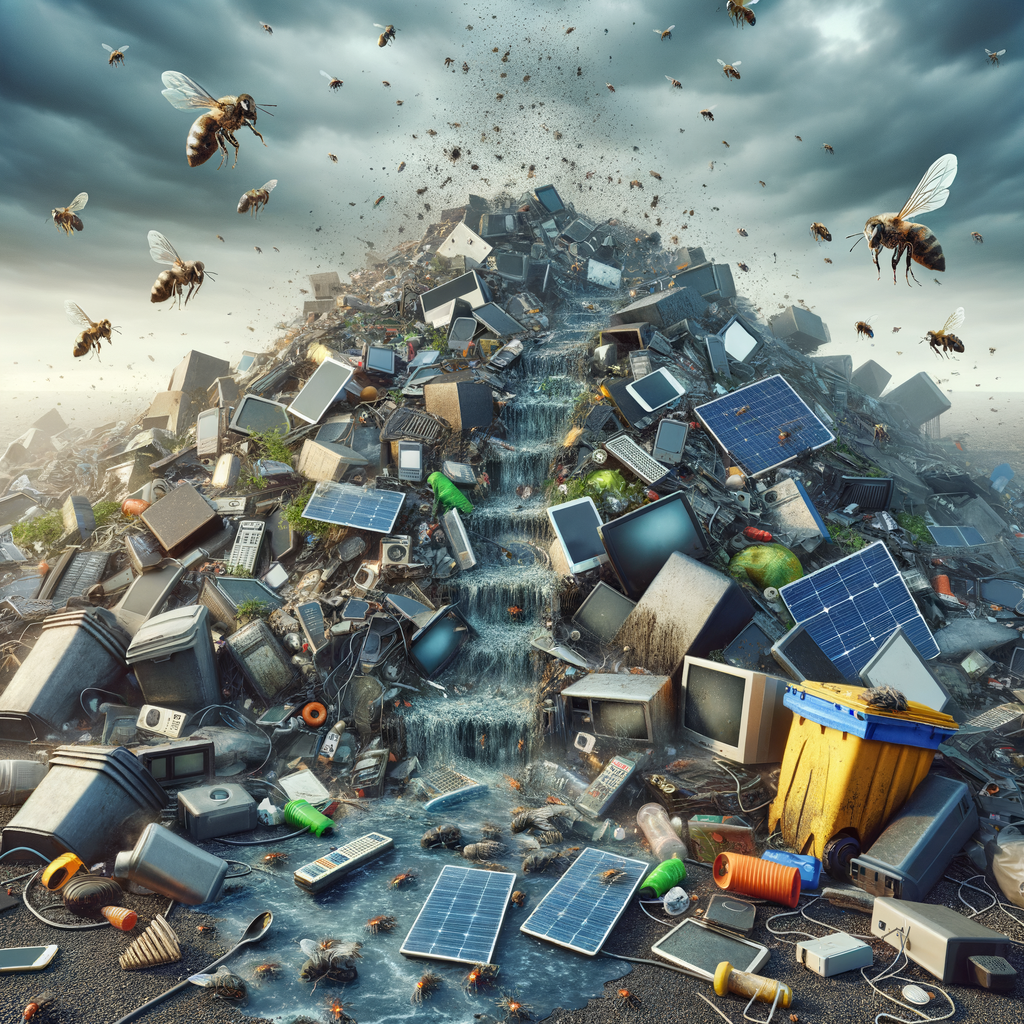
The steady climb of electronic waste (e-waste) production threatens to evolve into a worldwide crisis, as evidenced by the alarming findings reported in the Global E-waste Monitor 2024. The spiraling volume of discarded electronics underscores the importance of enhanced waste management strategies to mitigate escalating environmental and health risks.
In 2022, the quantity of e-waste peaked at an unprecedented 62 million tonnes—an 82% surge since 2010 with projections indicating a further 32% growth, reaching 82 million tonnes by 2030. To visualize the magnitude, this volume of waste could fill countless trucks lined up along the equator. This stark increase in e-waste is met with only a fraction of adequate recycling efforts; just 22.3% underwent proper recycling processes in the same year, denoting a substantial loss of approximately 62 billion dollars worth of recoverable materials.
The report, co-published by two important UN bodies, stresses the urgency of the situation and forecasts a decrease in documented recycling rates by 2030. Various challenges are exacerbating the gap, from rapid technological advancement and increased consumption to limited repair options and insufficient e-waste management frameworks.
Moreover, the hazardous substances found in e-waste, such as mercury, pose severe health threats. These risks spotlight the vital need for large-scale improvements in e-waste management, which could pave the way to a net gain of 38 billion dollars globally, emphasizing the economic feasibility of proper e-waste treatment.
The disproportionate dependence on certain countries for rare earth elements essential for future technologies, including renewable energy and electronic mobility, is another grave concern highlighted in the report.
Prominent officials have voiced their concerns, advocating for solar energy and other electronic innovations while cautioning against the rising e-waste threat that jeopardizes digital progress and climate action. They urge a more stringent regulatory framework to upscale collection and recycling, and call for significant investments in infrastructure, promoting repair and reuse, enhancing capacity building, and staunchly opposing illegal e-waste shipments.
The dire statistics offer a grim picture: only a meager percentage of e-waste is being recycled in many regions worldwide, particularly in Africa, where less than 1% of e-waste is recycled. In contrast, Europe boasts the highest documented collection and recycling rates, with per capita figures far surpassing other regions. Yet, millions of tonnes of e-waste are collected and managed outside formal systems, often in countries with underdeveloped e-waste management.
The categorization of e-waste further reveals that only a small fraction of items, such as vacuum cleaners, toys, and e-cigarettes, are being recycled. The report also flags the substantial amount of e-waste shipped across borders, largely from high-income to lower-income nations.
To address this burgeoning crisis, actionable steps are required:
1. Draft and enforce robust e-waste regulations globally.
2. Invest heavily in e-waste management infrastructure improvements.
3. Increase awareness and impetus for repair, reuse, and recycling initiatives among consumers and producers.
4. Introduce incentivizing policies for companies to design environmentally-friendly and easily recyclable products.
5. Educate the public about the value and necessity of recycling electronics.
6. Crack down on illegal e-waste shipments with stricter international trade controls.
7. Explore urban mining to reclaim valuable materials from e-waste, thus reducing the reliance on the extraction of primary ores.
8. Encourage technological innovation that reduces the producibility of e-waste.
In embracing these steps, societies can pivot towards a circular electronics economy, fostering a future where digital ambitions and environmental stewardship can coexist harmoniously. This transition not only promises significant health and climate benefits but also unlocks considerable economic potential, transforming a looming disaster into a sustainable opportunity.### A Detailed Guide on the Impact and Management of E-Waste
Electronic waste, or e-waste, has become an increasingly critical environmental concern in recent years. As our world becomes more dependent on technology, the lifecycle of electronic devices becomes a significant factor in global sustainability efforts. This guide will provide insights into the current state of e-waste management and offer actionable advice for responsible disposal and recycling.
#### The Growing Volume of E-Waste
It is projected that by 2030, about 2.4 million tonnes of retired photovoltaic panels will need to be disposed of, marking a substantial increase from the 600,000 tonnes estimated in 2022. This surge calls into question the preparedness of current recycling infrastructure to handle such volumes.
#### Collection and Recycling Trends
Notably, collection and recycling rates generally tend to be higher for larger and bulkier electronics, such as screens, monitors, and temperature exchange equipment. This trend may be due to the relative ease of handling larger items and the established value chains for materials recovery.
#### Global Legislation on E-Waste
As of 2023, 81 countries have enacted e-waste legislation, an increase from 78 in 2019. Within these countries, 67 have established legal frameworks that include extended producer responsibility (EPR), which obliges manufacturers to manage the disposal of their products once they reach the end of their functional life.
Despite these regulatory advancements, enforcement remains a significant international challenge. The stagnation in global e-waste collection and recycling rates could partly be attributed to the fact that only a minority of countries have set specific targets for collection (46 countries) and recycling (36 countries).
#### About the Global E-waste Monitor
The Global E-waste Monitor is a critical resource for those interested in the latest data and trends in e-waste management. Since its inception in 2014, the monitor has offered comprehensive reports and insights into policy progress and projections in this field. The 2024 edition is particularly notable for its collaboration with the Fondation Carmignac, which has supported the Global E-waste Statistics Partnership.
#### Roles of ITU and UNITAR
The International Telecommunication Union (ITU), a United Nations specialized agency for information and communication technologies (ICTs), is pivotal in driving innovation and fostering global cooperation in the ICT sector. It plays a crucial role in coordinating the use of radio spectrum and promoting infrastructure improvement in developing countries.
The United Nations Institute for Training and Research (UNITAR) serves as a key training arm of the UN system. Since 1963, UNITAR has been providing valuable learning solutions that aim to assist decision-making processes and aid countries in reaching Sustainable Development Goals (SDGs). Particularly relevant is the Sustainable Cycles (SCYCLE) Programme, run by UNITAR and based in Bonn, Germany, which conducts critical research and action on e-waste management.
#### Practical Steps for E-Waste Management
To address the rise in e-waste and contribute to a more sustainable future, consider the following steps:
1. **Support Responsible Recycling**: Look for certified e-waste recycling facilities that follow environmental standards and ensure materials are recovered responsibly.
2. **Advocate for EPR**: Encourage the concept of Extended Producer Responsibility in your region to hold manufacturers accountable for their electronic products’ end-of-life phase.
3. **Educate and Raise Awareness**: Share information about the importance of e-waste recycling and the impact of improper disposal on the environment.
4. **Stay Informed**: Keep up-to-date with the latest developments in e-waste management practices and regulations.
By taking these steps and participating in global efforts, individuals and organizations can help mitigate the environmental impact of e-waste and promote a more sustainable and connected world.