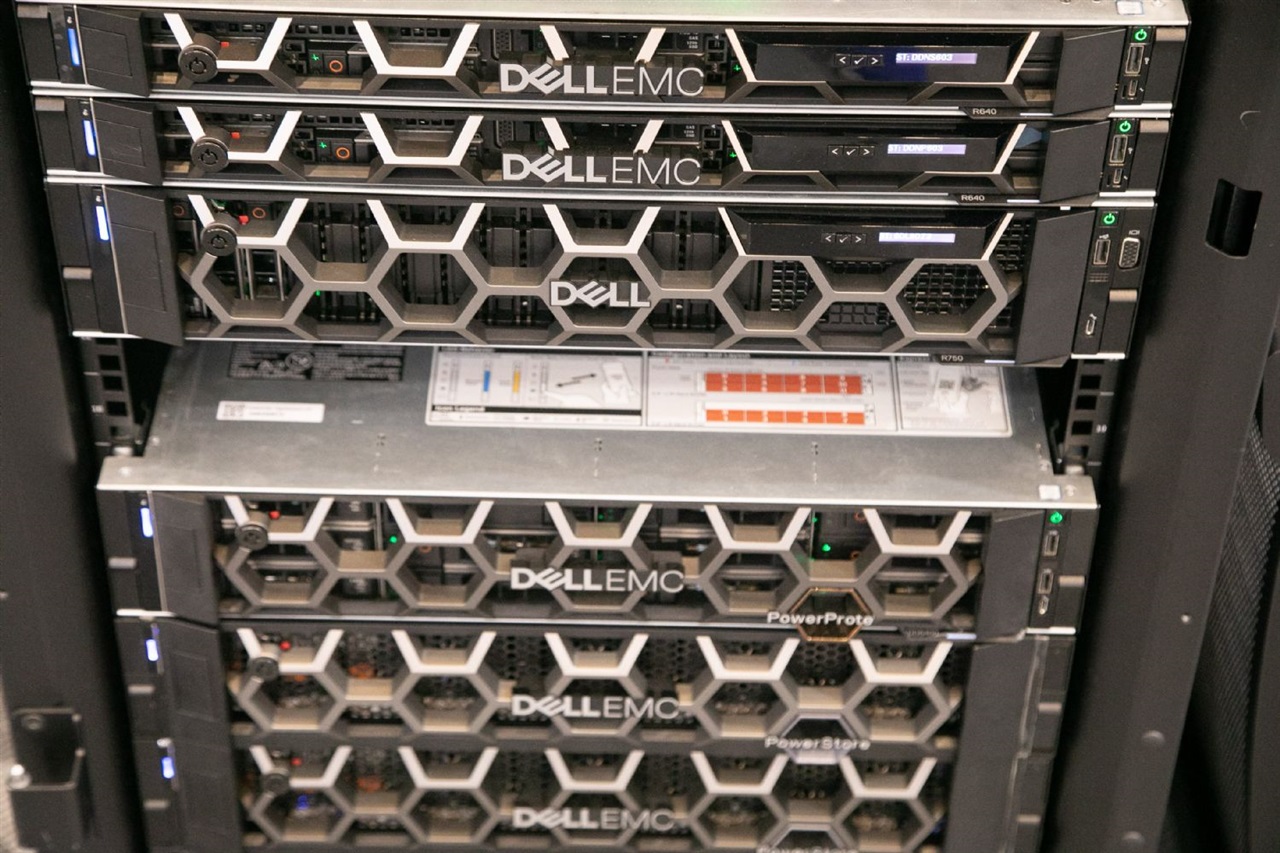
Global server shipments are set for a steady climb through 2030, powered by relentless demand for AI infrastructure and meaningful advances in data center technology. Industry estimates point to a compound annual growth rate of about 5% from 2025 to 2030, with several clear inflection points shaping the market’s momentum.
Here’s how the cycle is expected to unfold:
– 2025: Large North American cloud service providers will continue buying high-end AI servers at full throttle—and crucially, they won’t slow their purchases of general-purpose servers. This dual-track spending should push annual shipment growth above earlier expectations.
– 2026: Overall shipment growth moderates. However, a broader recovery in corporate IT purchasing kicks in, lifting brand vendors as enterprises restart deferred refreshes and expand hybrid cloud deployments.
– 2027: A breakout year. Significant progress in both AI-centric and general-purpose server technologies drives the highest annual growth rate of the forecast window, supported by new platforms, faster interconnects, and improvements in power efficiency.
– 2028–2029: A digestion phase. Shipments continue to rise but at a slower clip as organizations absorb recent deployments, fine-tune workloads, and optimize total cost of ownership.
– 2030: A new upgrade wave. With co-packaged optics reaching full maturity, data centers gain substantial reductions in energy consumption and meaningful bandwidth improvements, triggering widespread refresh cycles.
Under the hood, multiple forces are reshaping the competitive landscape and the technology stack:
– Vendor dynamics: Hyperscale cloud providers remain the prime engine of demand, particularly for high-end AI systems. As enterprise budgets recover from 2026 onward, established server brands capture more momentum, improving shipment share for vendor-led designs alongside cloud-optimized platforms.
– Capital spending by top North American CSPs: Elevated capex through the mid-to-late 2020s underpins infrastructure growth, from training clusters and inference at scale to expanded general-purpose capacity to support AI-enhanced services.
– CPU evolution: From 2024 to 2030, server shipment shares by CPU type continue to shift as roadmaps emphasize higher core density, greater memory bandwidth, improved I/O, and better performance per watt. Expect a steady cadence of platform updates between 2025 and 2029 aligned to AI and data-intensive workloads.
– Memory and storage: Between 2026 and 2030, servers integrate larger memory footprints and faster media to keep pace with model sizes and data growth. High-bandwidth memory for AI accelerators, higher-capacity DIMMs, and faster NVMe storage play central roles in meeting throughput and latency targets.
– High-end AI servers: Shipments of premium AI systems accelerate rapidly through the mid-2020s as organizations scale training clusters and deploy increasingly capable inference fleets. General AI server demand grows in parallel, driven by adoption across industries.
– GPU and accelerator roadmaps: The leading GPU vendors focus on faster interconnects, advanced packaging, and software ecosystems that unlock higher utilization. In-house AI ASICs designed by top cloud providers continue to evolve from 2025 to 2029, targeting efficiency, cost control, and workload-specific performance gains.
Why 2030 matters: co-packaged optics changes the calculus. Traditional electrical connections struggle with the bandwidth and power requirements of AI-era data centers. As CPO matures, optics move closer to the switch and the compute, slashing energy consumption while supporting higher aggregate bandwidth. The payoff is compelling enough to spur widespread server and network upgrades across hyperscale and enterprise environments.
What this means for market participants:
– Cloud providers: Keep leading the charge with AI-first capacity, then extend gains with general-purpose servers to support AI-infused applications and services.
– Enterprises and brand vendors: A healthier refresh cycle from 2026 onward benefits OEM portfolios, especially platforms tuned for AI inference, analytics, and data-heavy workloads.
– Silicon and component suppliers: Differentiation hinges on performance per watt, memory bandwidth, interconnect speed, and software stack maturity—key levers for both AI training and inference.
– Data center operators: Power density, cooling, and sustainability remain front and center. Technologies that reduce energy consumption and improve throughput—like CPO—will anchor the next big upgrade cycle.
Bottom line: The global server market is on a durable growth path through 2030. AI demand sets the pace, general-purpose servers remain essential, and the technology roadmap—from CPUs and memory to GPUs, ASICs, and optics—points to a pivotal upgrade wave at the decade’s end. Organizations that align their infrastructure strategies with these milestones will be best positioned to capture performance gains while controlling cost and energy at scale.