Electronic waste is increasingly becoming a pressing global issue, exacerbated by the rapid production of new flexible electronic products. As we innovate with robots, wearable devices, health monitors, and single-use gadgets, the resulting e-waste contributes significantly to environmental pollution. Even though the COVID-19 pandemic’s impact on supply chains is waning, it exposed the vulnerabilities in our global supply network, prompting electronics manufacturers to turn to the secondhand and recycled components market as a viable alternative.
In an exciting development, engineers from the Massachusetts Institute of Technology (MIT) have joined forces with teams from Meta and the University of Utah to create a groundbreaking flexible substrate material. This novel material not only extends the lifespan of electronic products but also offers biodegradability and low manufacturing costs. Such advancements could significantly improve the recyclability of single-use and wearable device components.
Typically, flexible electronic substrates are made from polyimide, also known as Kapton, prized for its exceptional insulation and heat resistance. However, polyimide has its downsides, such as the need for high-temperature manufacturing processes and significant recycling challenges.
Instead of seeking entirely new complex polymers, the MIT team focused on enhancing the existing polyimide material, aiming for compatibility with current flexible substrate production lines. By utilizing light-curing technology, they enabled polyimide manufacturing at room temperature. Additionally, they infused lipids into the polyimide structure, facilitating the breakdown of the polymer in mild solvents. This innovation not only maintains the material’s flexibility and electrical properties but also simplifies the recycling of expensive components and rare metals.
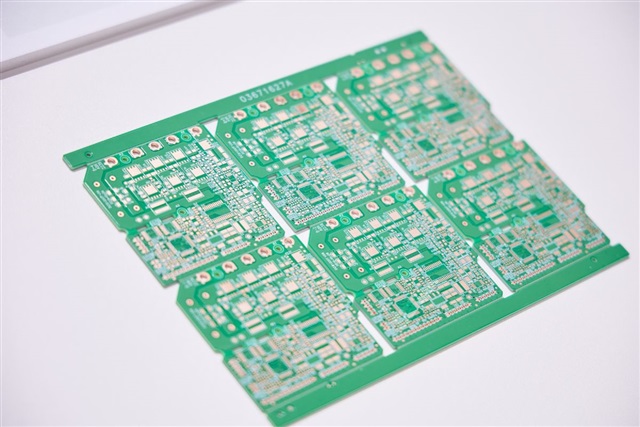
On a similar front, the University of Washington (UW) has made significant strides with a recyclable PCB, called vPCB, crafted from a material known as vitrimer. Unlike traditional PCBs, which are durable but difficult to recycle, vitrimer allows for reprocessing, chemical recycling, and even the repair of scratches. This material shows promise as a new sustainable alternative, capable of being repeatedly recycled with minimal material loss.
The vPCB manufacturing process closely resembles that of traditional PCBs, which facilitates its adoption by manufacturers. Remarkably, the research team estimates that up to 98% of vitrimer material and 100% of fiber-reinforced plastic in a vPCB can be recycled, marking a substantial leap toward sustainable electronic manufacturing.
Moreover, Jabil, a key player in electronic manufacturing services, has leveraged technology from its acquisition of Scotland-based Retronix. This allows them to safely remove and refurbish components like chips from customer circuit boards. These recycled components are invaluable to industries such as automotive, telecommunications, health, and national security, where electronic products often endure harsh conditions over extended periods.
The chip shortage during the pandemic highlighted the need for resilient supply alternatives. Although the shortage has largely been addressed, the demand for recycled and refurbished components continues to grow swiftly. For industries significantly impacted by this shortage, such as automotive and industrial applications, recycled components present a reliable and sustainable solution.
In conclusion, innovations from MIT, UW, and companies like Jabil are paving the way for a future where electronic manufacturing can be both efficient and environmentally responsible. These advancements hold the potential to transform the landscape of electronic waste, making it possible to recycle and rejuvenate components on a broader scale, thus addressing one of the most critical environmental challenges of our time.