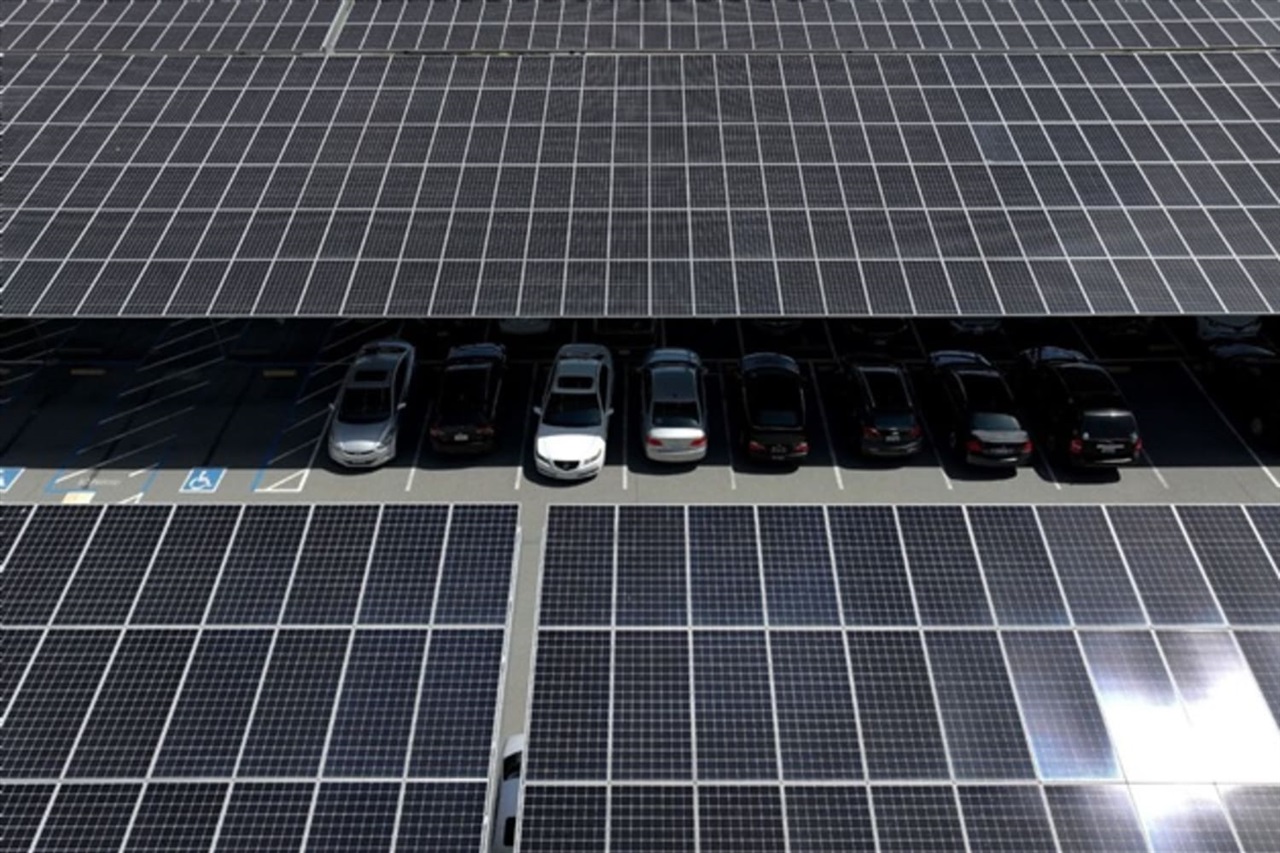
Electric power is the new measure of national strength. As the world races to decarbonize, electricity has become the decisive arena where countries compete—not with overt confrontation, but through policies, supply chains, standards, and market influence. The energy transition has turned into a quiet, high-stakes strategy game shaping geopolitics, industry, and technological leadership.
Why electricity equals national power
– Economic engine: From heavy industry to cloud computing, a nation’s competitiveness now rests on access to abundant, low-cost, reliable electricity. Manufacturing, AI data centers, EV production, and digital services all hinge on power prices and grid stability.
– Security and resilience: Stable electricity underpins critical infrastructure, communications, and defense. Energy independence reduces exposure to geopolitical shocks.
– Technology leadership: The countries that master clean generation, storage, transmission, and power electronics will set global standards and capture high-value export markets.
– Climate credibility: Meeting climate targets isn’t just environmental—it’s industrial policy. The cleanest grids will attract the most investment.
The new battlefield is a silent market war
– Subsidies and incentives: Nations are using tax credits, grants, and procurement to anchor domestic supply chains in renewables, batteries, hydrogen, and advanced nuclear.
– Trade and standards: Tariffs, content rules, and technical standards are being used to steer sourcing, shape markets, and lock in long-term advantages.
– Supply chain control: Access to lithium, nickel, copper, rare earths, wafers, inverters, and transformers is as strategic as oil once was.
– Long-term power contracts: Secure, affordable power purchase agreements determine where fabs, AI clusters, and next-gen factories break ground.
– Grid technology dominance: High-voltage transmission, smart inverters, storage, and grid software are becoming critical export technologies.
The grid is now a geopolitical asset
– Transmission unlocks growth: Building high-capacity lines and interconnections enables cheap renewable power to reach demand centers and stabilizes regional systems.
– Storage is the new baseload: Batteries, pumped hydro, and emerging long-duration storage smooth variability and reduce reliance on fossil peakers.
– Digital and secure: Advanced grid management, demand response, and cybersecurity are essential to keep increasingly complex systems reliable.
– Local resilience: Microgrids and distributed generation protect critical sites and communities from outages and cyber threats.
Policy choices can make or break entire industries
Rapid policy shifts—especially those affecting permitting, land use, interconnection queues, or local content—can stall clean energy buildouts. When solar, wind, or storage deployment slows, downstream sectors feel it immediately. Power-hungry industries such as semiconductors, AI, and advanced manufacturing depend on steady access to clean electricity to meet internal sustainability targets and investor expectations. Tightening rules without coordinated grid planning and transition support can weaken domestic suppliers, raise costs, and push strategic industries to relocate.
Cost of power decides where the future is built
– AI and cloud: Data centers are flocking to regions with cheap, clean, contractible power and fast interconnection timelines.
– Semiconductors: Fabs require ultra-reliable electricity and increasingly need low-carbon power to satisfy customer and regulatory demands.
– EVs and battery plants: Electricity price and grid carbon intensity directly affect product costs and eligibility for green procurement.
– Green commodities: Low-carbon aluminum, steel, and chemicals will command premiums—if the electricity to make them is affordable and verifiably clean.
What winning strategies look like
– Build fast and big: Clear permitting, predictable incentives, and accelerated transmission unlock scale in renewables and storage.
– Diversify supply chains: Secure critical minerals and components through a mix of domestic production, allied sourcing, and recycling.
– Modernize markets: Update power market design to value flexibility, capacity, and clean attributes while protecting reliability.
– Pair clean power with industry: Co-locate generation, storage, and industrial load; use long-term contracts to de-risk investment on both sides.
– Invest in firm, clean capacity: Advanced nuclear, geothermal, hydrogen-ready turbines, and long-duration storage provide backbone reliability for deep decarbonization.
– Prioritize resilience: Harden grids against extreme weather and cyber threats; grow microgrids for critical infrastructure.
Signals to watch next
– Interconnection backlogs and transmission approvals, which dictate how fast clean power can actually connect.
– Long-term PPA prices for industrial buyers, a leading indicator of where major facilities will land.
– Storage cost declines and deployments, especially beyond four-hour batteries.
– Policy stability and rule clarity, which determine investor confidence and project timelines.
– Corporate clean energy commitments tied to actual 24/7 carbon-free power, not just offsets.
Bottom line
Electric power has become the foundation of economic competitiveness and geopolitical influence. The countries that deliver abundant, affordable, and clean electricity—backed by resilient grids and secure supply chains—will set the terms of the next industrial era. Those that stall will face higher costs, capital flight, and lost strategic leverage. The energy transition isn’t just about climate; it is the quiet market contest that will decide who leads in chips, AI, autos, and the broader digital-industrial economy.