ASML Warns U.S. MATCH Act Could Push China Faster Toward Homegrown DUV Lithography
ASML is warning that tougher U.S. restrictions on China’s access to deep ultraviolet lithography equipment could have the opposite effect of what policymakers intend. Instead of slowing China’s semiconductor ambitions, the proposed U.S. MATCH Act may accelerate the country’s push to develop its own chipmaking machinery.
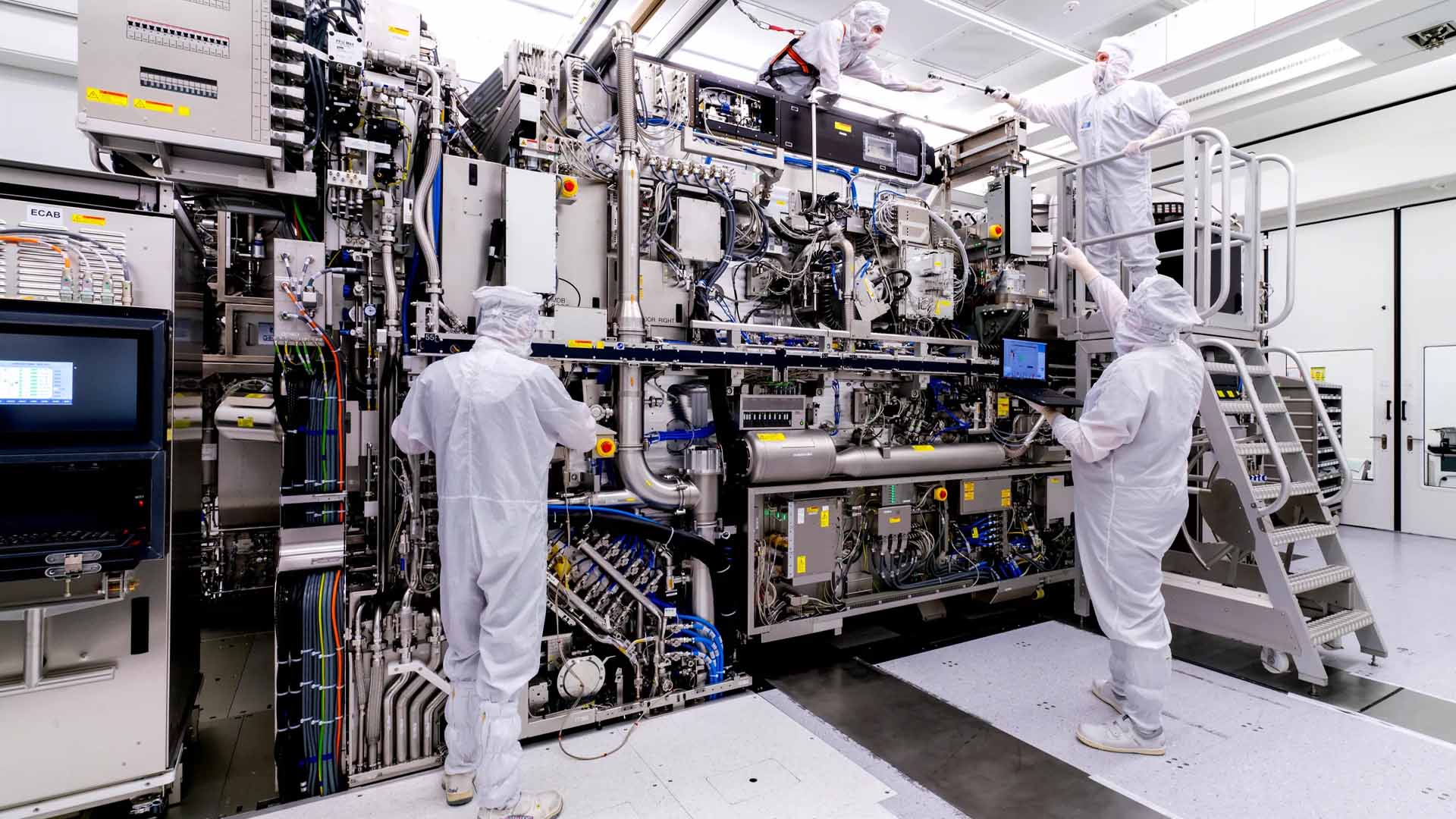
The Dutch semiconductor equipment giant remains one of the most important companies in the global chip supply chain. Its DUV and EUV lithography systems are essential for producing advanced and mature-node semiconductors, making ASML a central player in the technology race between the United States and China.
Following ASML’s third-quarter financial results, CFO Roger Dassen said that if the MATCH Act is passed, it could give China an even stronger incentive to build domestic alternatives to ASML’s DUV machines. While Chinese equipment makers are still behind ASML in performance and reliability, the industry has already seen how quickly China can respond when faced with restrictions.
Huawei’s return to the spotlight in 2023 with the Kirin 9000S chip served as a reminder that export controls can sometimes fuel domestic innovation rather than stop it. That same dynamic could now play out in lithography equipment, especially as China pours more money into semiconductor self-sufficiency.
ASML CEO Christophe Fouquet has also pointed out that demand for semiconductor manufacturing equipment in China remains strong. Domestic investment continues to support the construction of new wafer fabrication plants, keeping DUV lithography systems in high demand across the country.
China is expected to account for around 20 percent of ASML’s annual sales this year. That makes the region a significant source of revenue for the company, even as geopolitical pressure grows. ASML appears to be caught between maintaining its business in China and complying with U.S.-led export control policies.
Industry observers believe that Washington views China’s access to advanced semiconductor equipment as a strategic issue, especially as artificial intelligence, high-performance computing, and next-generation electronics become increasingly important. By limiting access to lithography systems, the U.S. aims to slow China’s ability to strengthen its chip industry.
However, ASML argues that further restrictions could cause long-term damage. If China is forced to speed up its own DUV development, ASML could eventually face a future where Chinese customers rely less on imported equipment. Even if China cannot immediately match ASML’s technology, steady investment and government support could narrow the gap over time.
Analyst Ma Jihua has noted that ASML is trying to expand its position in China while also responding to U.S. policy demands. This balancing act is becoming more difficult as chip export controls continue to tighten.
There are also signs that ASML is preparing for possible revenue pressure if Chinese demand is affected by new rules. The company has reportedly introduced a 10 percent price increase on EUV components and parts starting in January 2027. That move could help offset potential losses from weaker DUV orders in China, while also improving margins from customers in other major semiconductor markets.
The situation highlights a larger problem facing the global chip industry. Restrictions may slow China’s access to certain tools in the short term, but they can also encourage faster domestic replacement efforts. Chinese firms have already continued advancing mature-node manufacturing, equipment substitution, and local semiconductor innovation despite earlier rounds of export controls.
For ASML, the concern is not that its China business will disappear overnight. The bigger risk is gradual erosion. If China succeeds in building competitive DUV lithography systems over the coming years, ASML could lose part of a market that currently contributes a major share of its annual sales.
The proposed MATCH Act could therefore reshape the semiconductor equipment market in unexpected ways. While intended to limit China’s technological progress, it may instead push the country closer to independence in chip manufacturing tools. For ASML, that possibility represents a long-term challenge that could influence its pricing strategy, customer relationships, and future revenue planning.