NVIDIA Rubin AI GPUs Expected to Keep 12-Hi HBM4 Memory as HBM Prices Face Sharp 2027 Increase
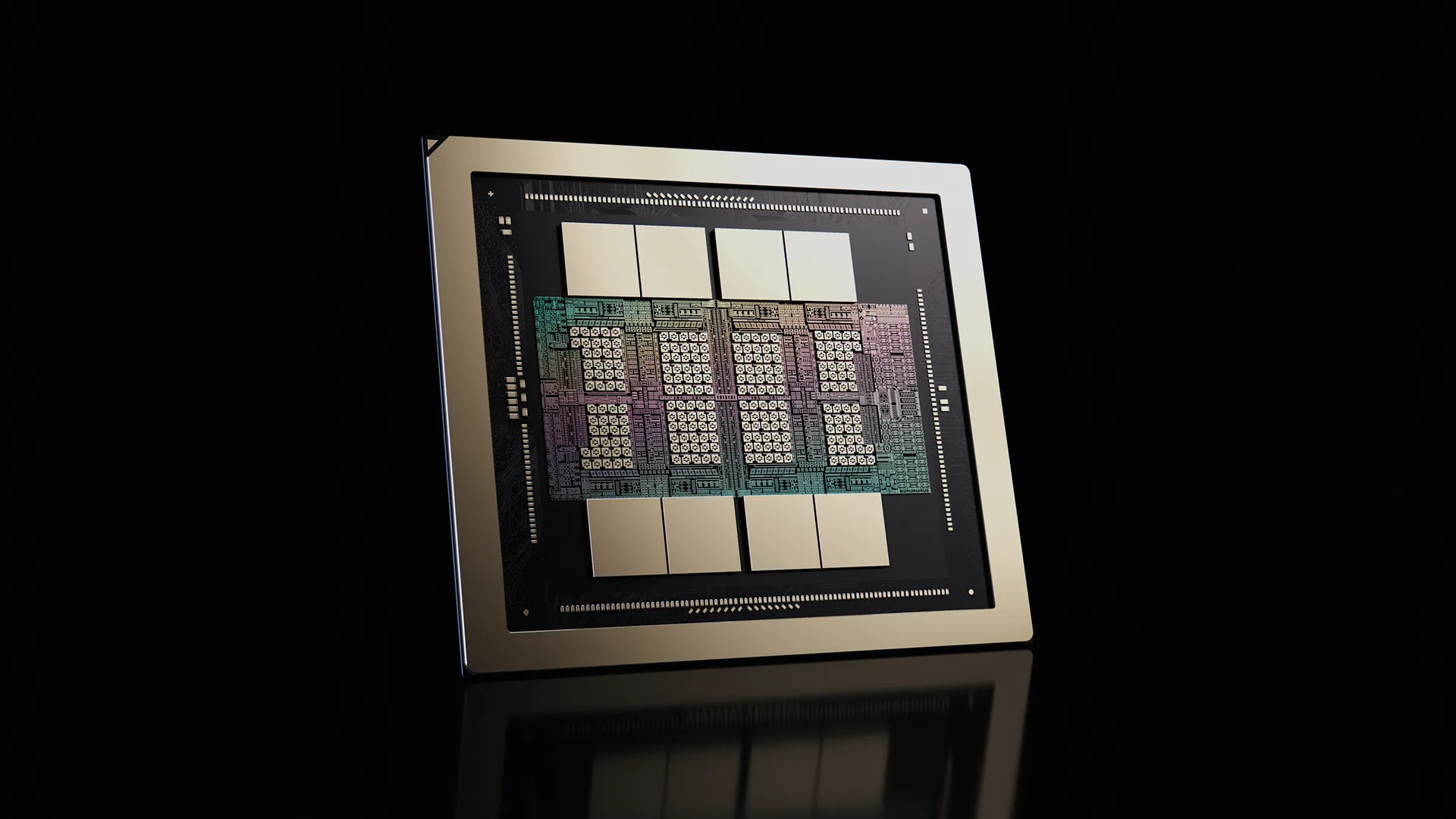
NVIDIA’s upcoming Rubin AI accelerators are shaping up to be some of the most memory-intensive GPUs the company has ever produced. Despite earlier industry chatter suggesting a possible shift toward simpler 8-Hi HBM4 memory stacks, newer information indicates that most Rubin-based products are still expected to use 12-Hi HBM4 configurations.
That matters because Rubin is designed for the next wave of high-performance AI computing, where memory capacity and bandwidth are just as important as raw processing power. Large language models, generative AI systems, and advanced data center workloads increasingly demand massive amounts of fast memory, and NVIDIA appears unlikely to compromise on that front for its flagship accelerators.
NVIDIA’s own Rubin GPU specifications point to a 12-layer HBM4 setup, offering up to 288 GB of memory capacity and as much as 22 TB/s of bandwidth per GPU. Those figures represent a major leap over current-generation AI hardware and highlight why NVIDIA may continue prioritizing high-capacity memory stacks despite the added manufacturing complexity.
HBM4 is a major upgrade over HBM3E, especially because it doubles the memory interface width to 2,048 bits. This wider interface allows significantly higher bandwidth, which is critical for keeping AI accelerators fed with data. However, stacking 12 DRAM dies introduces challenges related to heat, yield rates, bonding complexity, and overall production availability.
This is where 8-Hi HBM4 may still play a role. Earlier reports suggested NVIDIA had asked major memory suppliers, including Samsung Electronics and SK hynix, to increase 8-Hi HBM4 supply in the second half of 2026. A shorter stack is generally less complex to manufacture and could help ease production bottlenecks.
However, that does not necessarily mean NVIDIA is abandoning 12-Hi HBM4. A more likely scenario is that NVIDIA uses 12-Hi HBM4 for its highest-end Rubin accelerators while also adopting 8-Hi HBM4 in select products where thermal limits, cost structure, or supply availability make shorter stacks more practical.
The strategy would make sense. NVIDIA needs as much HBM supply as possible to meet booming demand for AI GPUs, and using multiple memory configurations could help the company ship more accelerators. Even if 8-Hi HBM4 offers lower total capacity per stack, it may allow memory manufacturers to stretch limited DRAM output across more products.
Still, anyone expecting 8-Hi HBM4 to bring cheaper memory may be disappointed. Market estimates suggest that 8-Hi HBM products could carry a 10% to 20% higher price per gigabit than 12-Hi versions in 2027. The reason comes down to manufacturing economics: every HBM stack needs a base die, and with fewer DRAM layers in an 8-Hi stack, that base cost is spread across less memory capacity.
In other words, 8-Hi HBM4 may reduce the total memory cost per GPU in some configurations, but it may not lower the price of the memory itself on a per-gigabit basis.
The broader HBM market is also heading into a period of intense pricing pressure. Analysts expect blended HBM average selling prices to rise sharply in 2027, with forecasts pointing to a year-over-year increase of around 121%. This dramatic jump is expected to be driven by tight supply, rapid adoption of premium HBM4 memory, and the possible arrival of HBM4E products in the second half of the year.
It is important to note that this projected increase does not mean every HBM product will double in price. Instead, the rise reflects a changing product mix, with more expensive HBM4 and HBM4E taking up a larger share of shipments. Even so, the trend makes one thing clear: advanced AI memory is becoming more expensive, not less.
The demand surge is being fueled by the rapid expansion of AI infrastructure. Data center operators, cloud providers, and enterprise AI developers are all competing for the same limited supply of high-bandwidth memory. At the same time, HBM production competes with conventional DRAM manufacturing capacity, adding even more strain to the supply chain.
For NVIDIA, the Rubin generation will likely depend heavily on how quickly memory suppliers can scale HBM4 production. The company’s AI GPU roadmap is increasingly tied to memory availability, and any shortage could affect pricing, shipments, and product segmentation.
For the AI hardware market, the message is clear: memory is becoming the defining battleground. NVIDIA Rubin may deliver a major leap in AI performance, but its success will depend not only on GPU architecture but also on the availability, pricing, and production yield of next-generation HBM4 memory.
As Rubin approaches launch, 12-Hi HBM4 still appears to be the preferred configuration for NVIDIA’s most powerful AI accelerators. Meanwhile, 8-Hi HBM4 could serve as a practical alternative for managing supply constraints. Either way, HBM prices are expected to remain under pressure, and 2027 could become one of the most expensive years yet for high-bandwidth memory.