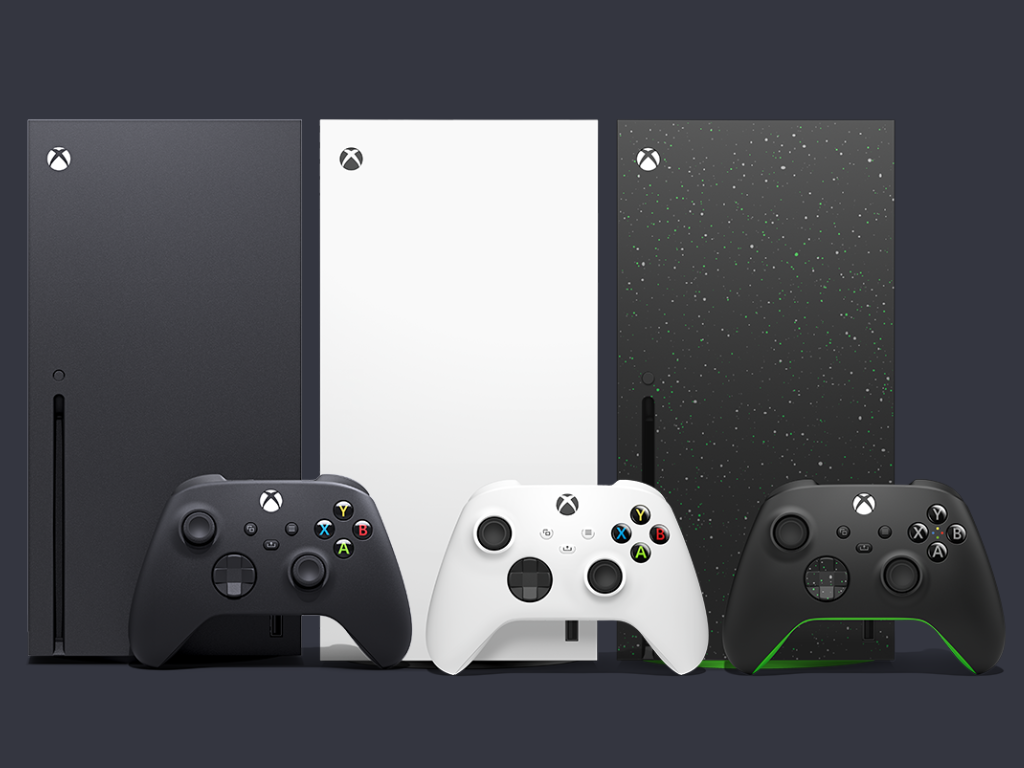
Microsoft’s Xbox hardware business took a bruising hit in 2025, with sales sliding sharply in two of its biggest markets and raising fresh questions about where the brand goes next. While the broader console market has cooled, Xbox appears to be feeling the downturn more intensely than its rivals—pushing Microsoft to double down on Game Pass, cloud gaming, and a future where Xbox is less about a single box under the TV and more about playing its games anywhere.
In the UK, Xbox console sales dropped 39% year-over-year compared to 2024, a decline described as the worst year for Xbox hardware sales on record in that market. By comparison, PlayStation 5 sales were also down, but by a much smaller margin—around 12%. The gap between those figures is hard to ignore: it suggests the industry is facing headwinds, but Xbox is absorbing a disproportionate share of the impact.
The U.S. picture looks even tougher. Industry tracking data showed Xbox console sales falling 70% year-over-year in November 2025, a month that analysts called one of the weakest Novembers for overall console sales since 1995. PlayStation hardware also dipped during the same window—down roughly 40%—yet again, Xbox’s drop was markedly steeper.
This hardware slump arrived alongside a major internal shake-up. Over the course of 2025, Microsoft cut thousands of jobs across its gaming organization and canceled projects that had been on many players’ must-watch lists. That combination—shrinking console sales plus restructuring—made 2025 feel like a turning point, not just a rough patch.
Even so, Microsoft isn’t signaling a retreat from gaming. Instead, the company is leaning harder into its subscription strategy with Xbox Game Pass and expanding first-party releases to reach more players across more platforms. The message is increasingly clear: Microsoft wants Xbox success to be measured by engagement, subscriptions, and software reach—not only by console units sold.
Cloud gaming is part of that bet. Xbox Cloud Gaming is being positioned as a way to play big-budget games on the go without needing high-end hardware, whether that’s on smartphones, PCs, lower-powered laptops, or even in vehicles that support compatible operating systems. With traditional console margins often thin, cloud and subscriptions offer Microsoft a more scalable path—though it can be a difficult adjustment for longtime fans who built their gaming identity around the classic Xbox console ecosystem.
Microsoft also appears eager to keep momentum going on the content front. Matt Booty, president of game and content studios, said Xbox plans to host a Developer Direct stream in the coming month and hinted at a packed pipeline, saying there’s “more stuff coming up than we can fit in one show.” That kind of promise matters, because in today’s console market, hardware sales follow compelling games—and players want clear reasons to stay invested.
Looking ahead, Xbox still has major franchises under its umbrella, with fans especially watching for the next wave of big releases, including anticipation around Forza Horizon 6 and reports pointing to a Japan setting. But after a difficult 2025, Microsoft will likely need more than upbeat showcases to regain momentum—especially in a market where Sony’s PlayStation lineup and Nintendo’s next-generation plans continue to attract buyers with strong exclusive libraries and brand pull.
For Xbox, the challenge now is proving that its long-term strategy works: that Game Pass, cloud gaming, and broader platform availability can build a healthier, more resilient business than relying on console hardware alone. The next year will show whether this pivot is a smart evolution—or simply a necessity forced by a historic sales slide.