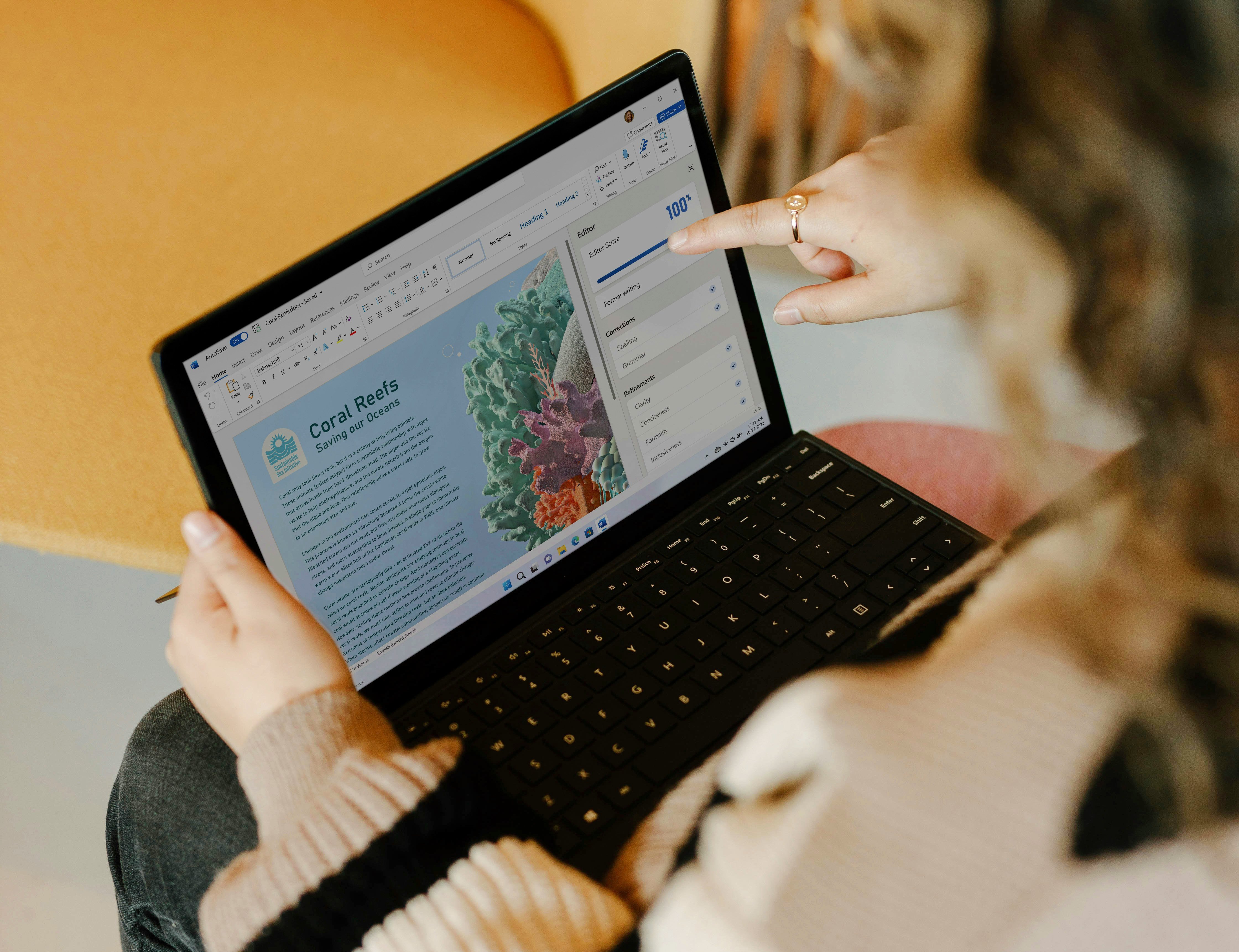
Windows 11 could soon feel dramatically faster on everyday PCs and laptops, thanks to a new performance tweak Microsoft is reportedly testing that focuses on reducing delays during common actions. The idea is simple: make the system feel instantly responsive when you do things that matter most, like launching apps, opening the Start menu, or bringing up right-click context menus.
A new Windows 11 feature said to be in development, called the “Low Latency Profile,” is designed to briefly adjust how your processor boosts its clock speed. Instead of relying on the usual boost behavior, Windows would push the CPU to its maximum boost frequency for a short burst when certain prioritized actions occur. In current testing, that burst reportedly lasts about 1 to 3 seconds, just long enough to accelerate the moment you actually notice: the click-to-response window.
If the early testing results hold up, the improvements could be very noticeable. App launches are claimed to be up to 40 percent faster, while the delay between a mouse click and the appearance of a context window or the Start menu could drop by as much as 70 percent. That kind of reduction targets the “snappiness” people often associate with a fast computer, even when overall benchmark scores don’t change much.
Because the CPU boost is only applied for a few seconds at a time, the impact on battery life and laptop temperatures is expected to be minimal. That’s especially important for thin-and-light devices, where sustained high clocks can quickly lead to heat and fan noise. With this approach, Windows would aim to deliver speed exactly when you need it, without keeping the processor ramped up longer than necessary.
There are still open questions. It’s not yet clear whether users will be able to disable the Low Latency Profile if it causes issues on specific hardware configurations. And since the feature is reportedly being trialed in an early stage through the Windows Insider beta channel, it may take several months before it’s ready for a broader Windows 11 update.
Beyond this boost-focused change, Microsoft is also said to be working on modernizing older parts of Windows code, which could bring additional performance gains over time. If these efforts land well, future Windows 11 updates may not just add features, but also make the operating system feel noticeably quicker in the moments that count most.