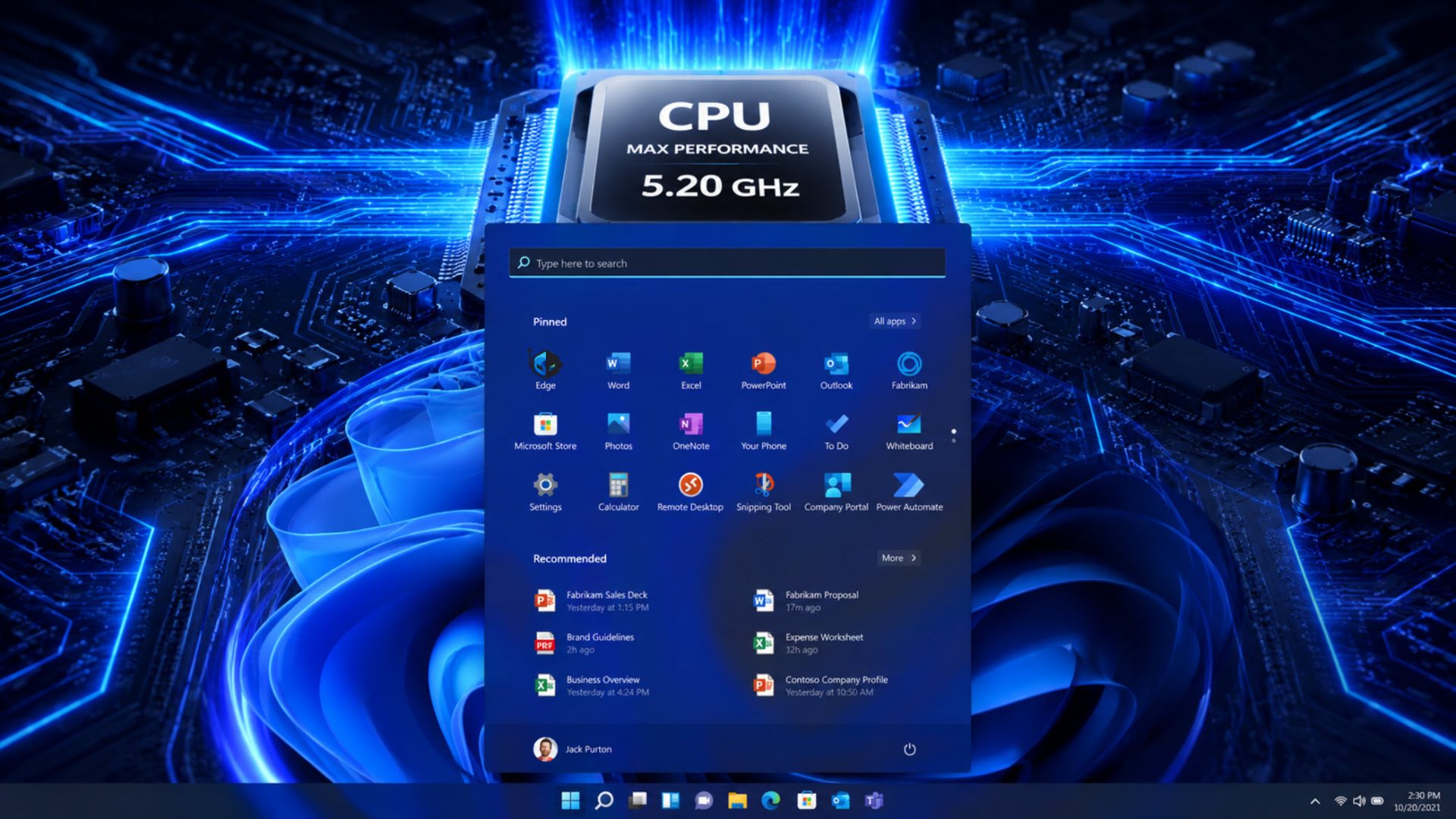
Windows 11 may soon feel noticeably faster thanks to a new performance feature Microsoft is developing called Low Latency Profile.
Microsoft has been steadily refining Windows 11 with a focus on making the operating system feel less bloated, more responsive, and better tuned for everyday use. Alongside broader efforts (including work said to be tied to an internal initiative known as “K2”), recent changes suggest Microsoft is paying closer attention to speed—especially the small delays that make an interface feel sluggish.
Low Latency Profile is designed to cut those delays by briefly pushing your CPU to higher clock speeds at the exact moments Windows needs extra responsiveness. Instead of keeping the processor running faster all the time, the system triggers a short burst—roughly 1 to 3 seconds—when you do things like open an app, click a menu, or bring up common interface elements such as flyouts and context menus. The goal is simple: make Windows actions feel instant without a constant performance or power penalty.
Early testing in the Windows Insider Program indicates the feature can make a real difference. Reports point to app launch times improving by as much as 40% for built-in Windows apps like the Edge browser and Outlook. Even more striking, parts of the Windows 11 interface—such as the Start menu and right-click context menus—were said to open up to 70% faster. If those gains hold up broadly, this could be one of the more noticeable “feel” upgrades Windows 11 has received, because it targets the everyday interactions users repeat constantly.
This approach aligns well with how modern processors already behave. Many CPUs can temporarily boost to higher power and frequency limits for short durations to deliver quick performance spikes, then drop back down to maintain efficiency and manage temperatures. Because Low Latency Profile relies on these brief boost windows, it’s expected to have minimal impact on battery life and thermals compared to a sustained performance mode—though real-world results will still depend on your specific hardware and system settings.
For now, Microsoft hasn’t confirmed exactly when Low Latency Profile will arrive for all Windows 11 users. Still, if the feature ships widely and performs as early testing suggests, it could make Windows 11 feel snappier across the board—from launching apps to navigating the UI—without requiring a hardware upgrade.