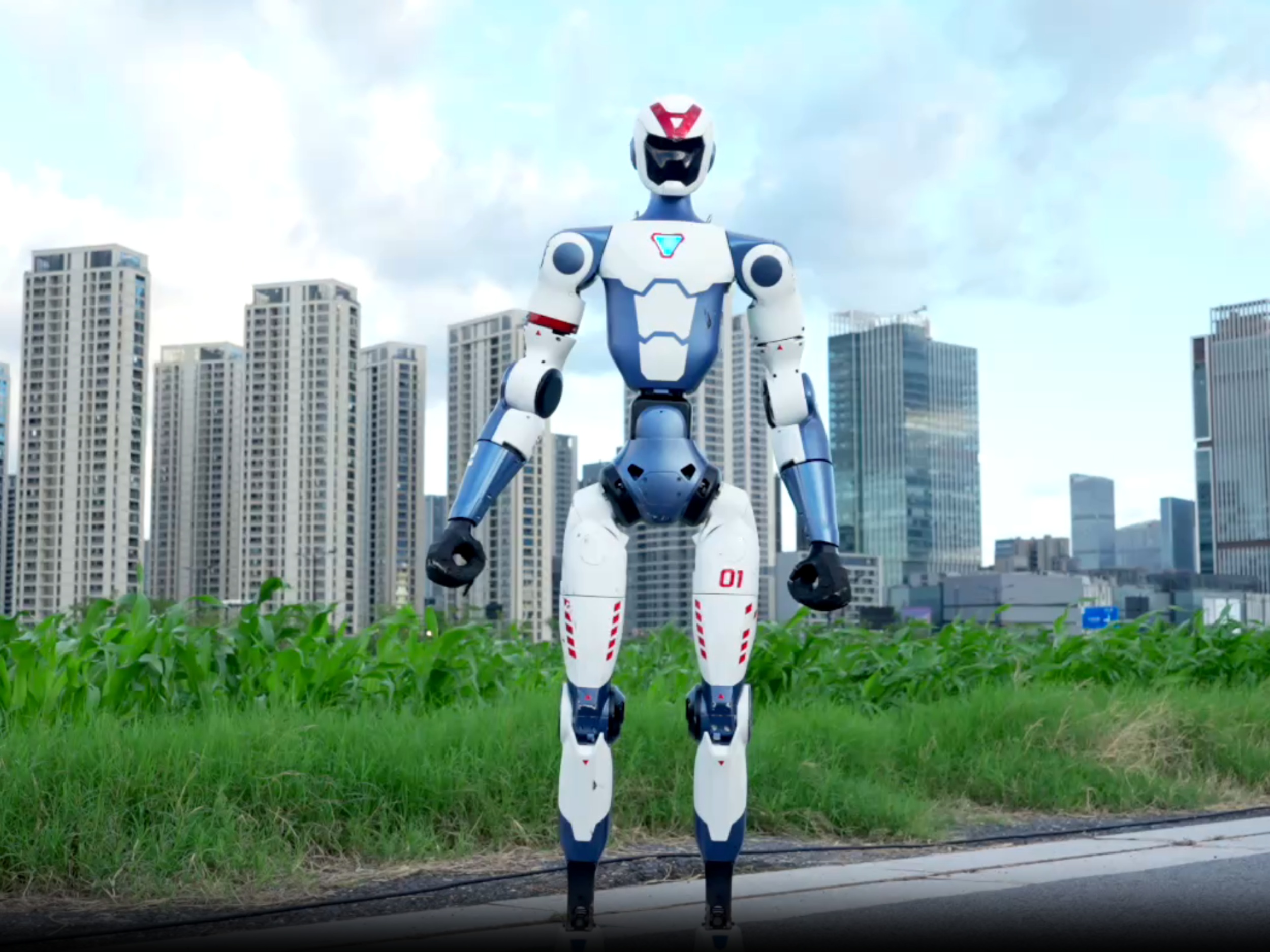
Chinese robotics brand Unitree looks ready to push humanoid robots closer to the mainstream with what could be its most budget-friendly model yet: the Unitree R1. The company is widely expected to bring the R1 to AliExpress, a move that would open up sales to buyers in Europe and North America rather than limiting availability to the domestic Chinese market.
In China, the Unitree R1 reportedly starts at 29,900 yuan, which works out to roughly $4,000. An April 9 report suggested an AliExpress launch was planned for mid-April, but as of now, shoppers still aren’t seeing an official R1 product page there. Meanwhile, the robot is already showing up on Alibaba, a platform geared more toward business buyers, with pricing starting around $4,700. That difference is important, because it hints that international pricing could land higher than the headline-grabbing China starting price.
So what do you get for the money? The Unitree R1 is about 4 feet tall and built to move in visually impressive ways. It can walk, perform cartwheels, and handle other athletic motions that make it look more like a real humanoid robot than a static tech demo. For many people, that alone will be enough to spark curiosity—especially at a price that’s far below what most humanoid robots have historically cost.
But anyone imagining an affordable “robot helper” for chores at home should keep expectations in check. Compared with the more expensive Unitree G1, the R1 makes clear compromises. It doesn’t have functional fingers, and it isn’t designed to be particularly strong, which limits practical tasks like cleaning, lifting, or carrying everyday objects. On top of that, its battery life is said to be around one hour, meaning it’s not built for long work sessions without frequent charging.
Where the R1 may shine is as a developer-focused humanoid platform. The robot is expected to interest developers, universities, labs, and robotics hobbyists who want a relatively accessible humanoid body for testing ideas and building applications. It includes key connectivity and sensing features such as cameras, microphones, Wi‑Fi, and Bluetooth, along with a developer kit aimed at programming and experimentation.
Online chatter is already building. The idea of a $4,000-ish humanoid robot has many people talking about what it signals for the wider robotics market, with some calling it a major step toward lower-cost humanoids becoming normal. At the same time, skepticism is common, with many observers describing the R1 as more of a toy-like showcase of movement and a development platform than a truly useful household robot.
For now, the biggest unanswered question is the one that matters most to potential buyers outside China: the real-world international price and when it will actually appear for consumer purchase on AliExpress. If Unitree follows through, the R1 could become one of the most talked-about low-cost humanoid robots available globally—even if its best role is in labs, classrooms, and hobby projects rather than doing the dishes.