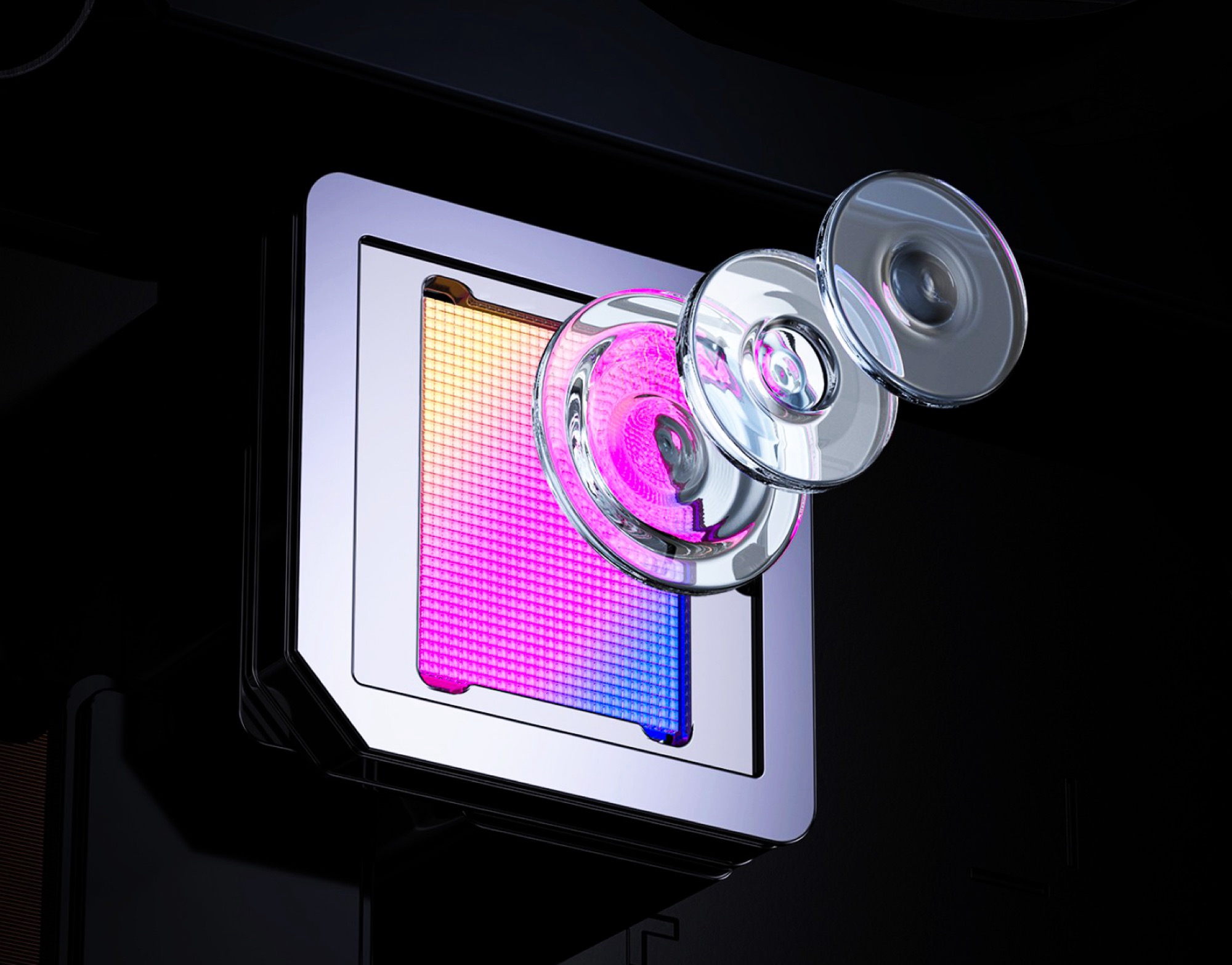
The era of ever-bigger smartphone camera sensors may be heading for a slowdown, and the reason has less to do with photography trends and more to do with rising component costs.
Over the past few years, smartphone cameras have improved dramatically, helped in large part by manufacturers adopting larger image sensors in everything from mid-range models to premium flagships. Bigger sensors generally capture more light, which can translate into cleaner shots, better dynamic range, and improved low-light performance. Even in the affordable segment, brands have been upgrading camera hardware. One example is Samsung’s Galaxy A37 5G, which uses a 50-megapixel main camera with a larger 1/1.56-inch sensor compared to the 1/1.96-inch sensor found in the Galaxy A36 5G.
Now, a well-known supply-chain leaker, Fixed Focus Digital, suggests this sensor growth trend may be nearing its limit. According to the leak, demand for large, high-end smartphone camera sensors is reportedly weakening, and manufacturers may increasingly pivot toward smaller sensors going forward. The strategy shift isn’t about giving up on better photos—it’s about changing how those improvements are delivered.
Instead of leaning on more expensive camera hardware, brands are expected to push image quality forward with heavier computational photography and AI-based processing. In practical terms, that could mean night modes doing more of the work to reduce noise and enhance detail, rather than relying on larger sensors that naturally produce cleaner images. On the zoom side, improvements may increasingly come from AI-enhanced zoom and processing tricks, rather than costly periscope-style telephoto modules and more complex lens systems.
The bigger issue driving these compromises is the ongoing DRAM and memory cost crunch. With RAM and NAND flash prices rising quickly, smartphone makers are under pressure to keep device prices from jumping too aggressively. Cutting costs on camera hardware—especially expensive large sensors—could be one of the easiest levers to pull to help balance budgets.
Even with cost-cutting, price increases are already showing up across the market. Recent launches indicate that newer models are often more expensive than the phones they replace. Some flagships are also creeping toward ultra-premium pricing, with certain top-tier devices approaching the $2,000 level.
If this leak proves accurate, the next wave of smartphone camera improvements may look different from what buyers have come to expect. Instead of bigger sensors becoming the headline feature, the focus could shift to smarter software, stronger image processing, and AI-powered enhancements designed to deliver better-looking photos without the higher bill of materials. For shoppers, that could mean camera marketing continues to promise major leaps—but the gains may come more from algorithms than from larger camera hardware.