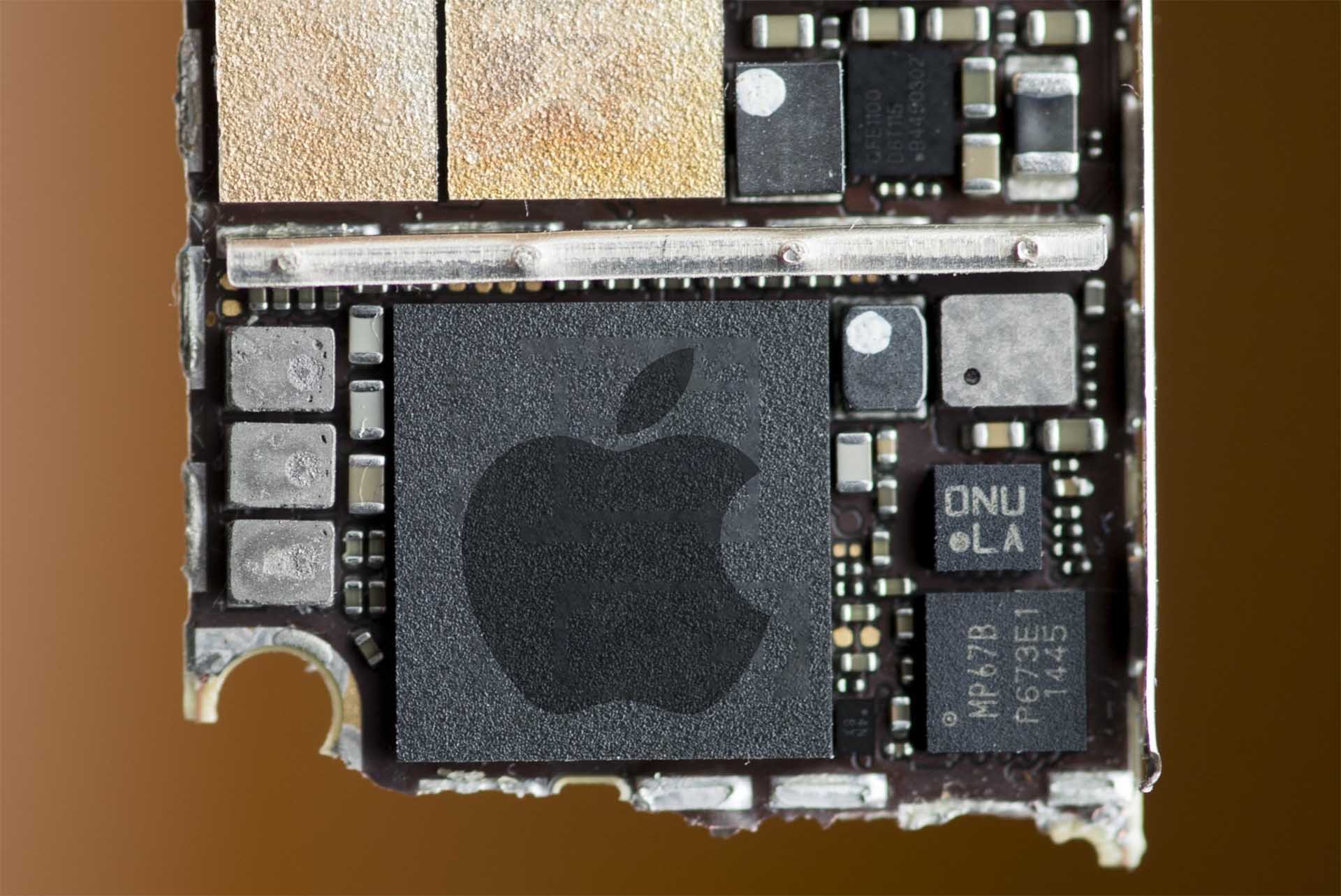
As technology continues to evolve, Apple remains at the forefront of innovation, especially when it comes to the components of their flagship iPhones. There is a growing focus on the development of 5G modems, which are key to enabling faster wireless internet speeds. Despite a longstanding partnership with Qualcomm, a leading 5G modem supplier, Apple has been investing substantial resources into creating its own custom 5G modem.
While insider reports claim that Apple employees acknowledge that the average iPhone customer is less concerned with the origins of the 5G modem inside their devices, the company sees significant value in creating an in-house solution. One of the primary objectives for Apple developing its own 5G modem is to reduce dependency on Qualcomm and costs associated with purchasing their modems. This follows years of Apple criticizing the high costs of Qualcomm’s modems and seeking to minimize financial outlays. Nevertheless, Qualcomm maintains that Apple would still owe them royalty payments, due to potential patent infringements.
Beyond cost implications, Apple’s drive to produce its own 5G modem is also linked to its preference for integration. Presently, Qualcomm supplies Apple with a standalone 5G modem that must be incorporated separately from the System on a Chip (SoC). Apple’s vision to integrate the SoC with the 5G modem, alongside Wi-Fi and Bluetooth components into one unified package, would offer multiple advantages. Such consolidation could lead to more space-efficient designs and improved energy efficiency in future iPhone models.
However, this transition to a fully integrated system is not without its challenges. Apple has faced several technical issues in the development of its custom 5G modem, including but not limited to performance irregularities and overheating problems. These hurdles suggest that it may take considerable time before Apple can manufacture a component that combines all these functionalities effectively.
Furthermore, the shift away from Qualcomm modems will be gradual. The transition period is expected to span several years, indicating that Qualcomm and Apple will maintain their partnership for the foreseeable future. Qualcomm is likely preparing for this gradual shift, adjusting its business model accordingly to accommodate Apple’s eventual move to in-house solutions.
This strategic effort by Apple could redefine the smartphone component industry and influence how consumers view the technological prowess of iPhone devices. By potentially marketing its future iPhones as having key technological components designed and produced internally, Apple could strengthen its brand loyalty among customers by showcasing self-sufficiency in innovation.
In the meantime, consumers can expect their iPhone experience to remain consistent, as the technical specifics of the 5G modem may not be a point of concern for the average user. Whether through Qualcomm’s modems or Apple’s eventual in-house solution, efficient and fast connectivity will continue to be a priority for iPhone technology.