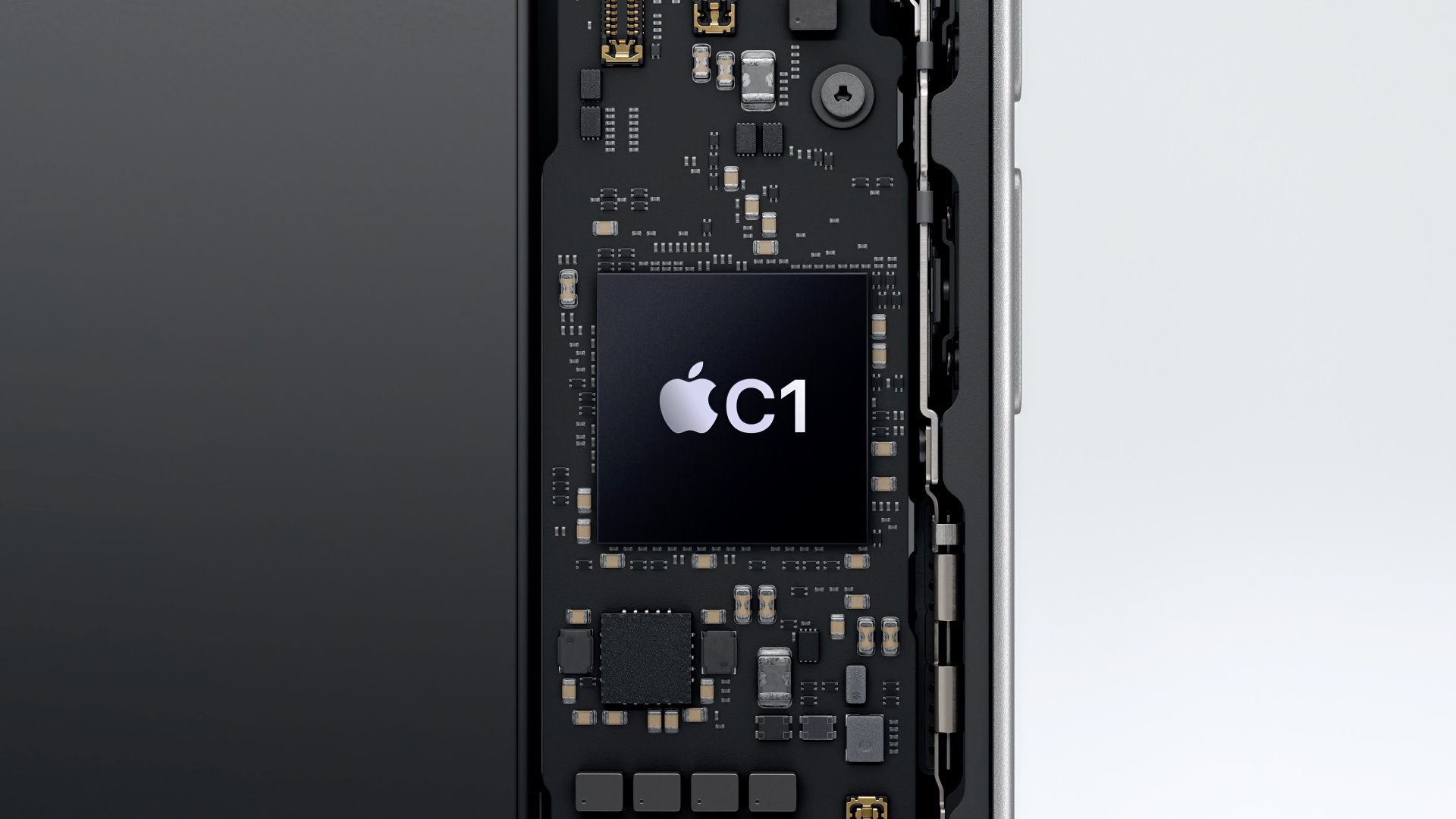
TSMC is continuously investing billions into its production facilities to keep up with the high demand from major clients like Apple and Qualcomm. These companies are always in a race to stay ahead in technology and are keen to capitalize on TSMC’s cutting-edge architecture to maintain their competitive edge. However, the same level of intensity does not apply to modem technologies. Current 5G baseband chips such as Apple’s C1 and Qualcomm’s Snapdragon X75 continue to use TSMC’s older 4nm processes. An industry analyst sheds light on this choice, explaining that sticking with older manufacturing methodologies involves more than just reducing expenses.
The analyst highlights that despite being crucial, 5G modems are not the most power-demanding components in a device. This allows Apple and Qualcomm to refrain from employing the latest technologies for modems. The primary reason for not rolling out 3nm modems is cost efficiency. For instance, creating and testing Apple’s M3 chips, produced on TSMC’s first-generation 3nm process, reportedly cost $1 billion, underscoring the enormity of investment required for newer modems.
Ming-Chi Kuo, an esteemed analyst, further reveals that the return on investment for advanced modem development is modest. Shifting to 3nm technology does not automatically translate into higher transmission speeds, as there are more complex sciences involved. While using an advanced process for future modems might reduce power usage slightly, Kuo points out that displays and processors consume more power compared to modems, warranting the use of advanced technology in these areas instead.
It’s noteworthy that Qualcomm’s Snapdragon X75 and X71 also use TSMC’s 4nm process, yet Apple’s C1 modem is marketed as more efficient. This efficiency could be attributed to the C1’s lack of mmWave support, leading to further reduced power usage compared to Snapdragon modems, which demand more power for their higher transmission speeds. Furthermore, with extra space available in the iPhone 16e, Apple was able to include a large 4,005mAh battery, comfortably surpassing the 3,582mAh battery in the more premium iPhone 16 Pro, offering longer battery life.
Qualcomm has also announced its latest Snapdragon X85 5G modem, although specific details on its production process remain undisclosed. Based on the given insights, it is presumed that this flagship modem from Qualcomm might also be developed using the 4nm node.
This strategic approach by both Apple and Qualcomm suggests a balanced consideration between cost, power efficiency, and technological advancement, focusing the latest innovations where they have the most impact.