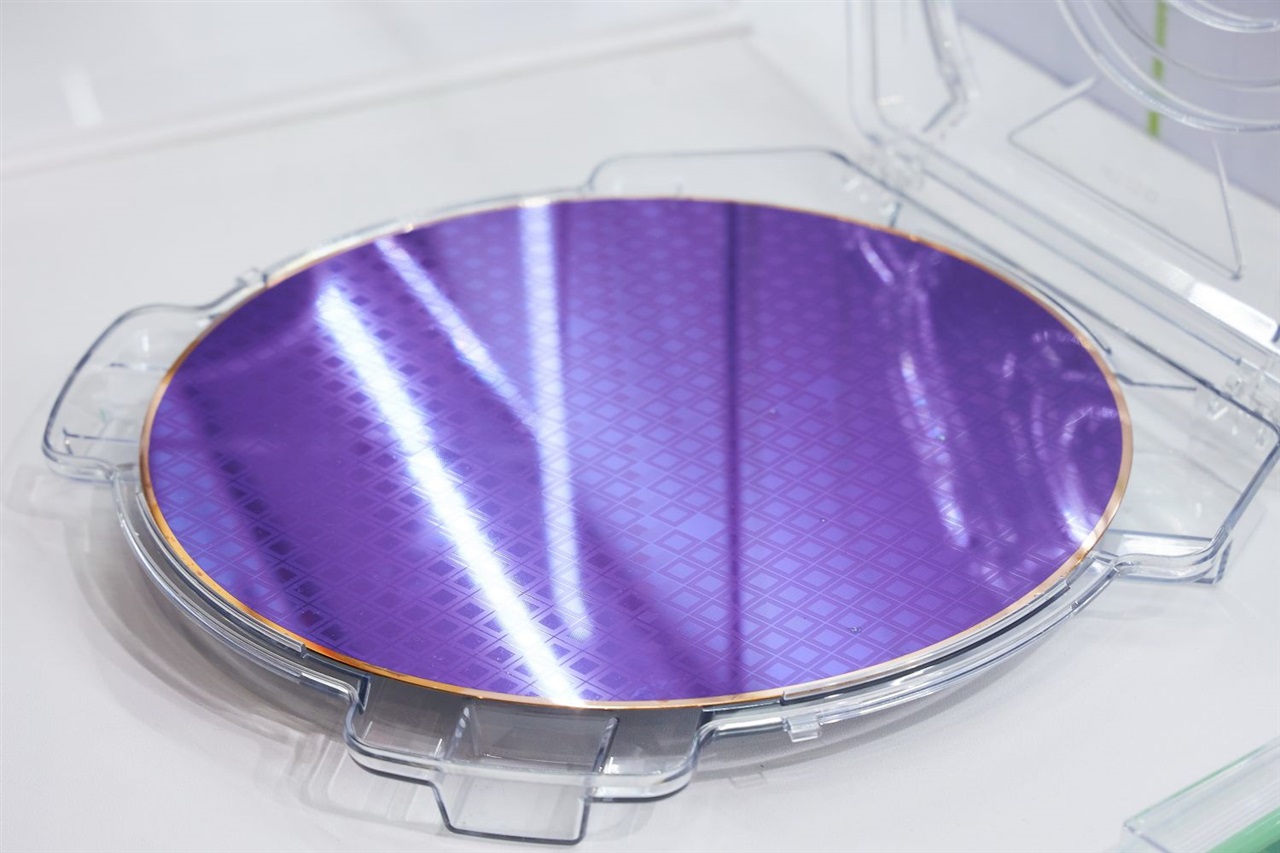
In the first quarter of 2025, the wafer foundry industry in Taiwan is experiencing a slight downturn, but there’s a gleam of hope as a recovery is projected for the second quarter. While demand for AI and high-performance computing (HPC) chips remains robust, and consumer electronics inventories are steadily replenishing, the path to recovery seems promising with revenues anticipated to climb from $27.71 billion in the first quarter to $29.3 billion in the second quarter, marking a 5.7% increase.
However, the sector dealing with mature chipmaking processes is under strain, with significant challenges that may persist throughout the early months of 2025. Compounding the issue is an increase in competition, notably from Chinese foundries, which are significantly expanding their production capabilities. This added competition is exerting pressure on Taiwanese foundries to consider price reductions to stay competitive.
Additionally, the political landscape is introducing another layer of complexity. The policies introduced by US President Donald Trump concerning trade and technology appear to be further complicating matters for Taiwanese manufacturers. These policies are creating operational hurdles that the local industry must navigate.
Despite these challenges, the resilience of Taiwan’s wafer foundry industry is noteworthy, with anticipated rebounds hinting at a dynamic second quarter. As they adapt to external pressures and evolving market demands, Taiwanese foundries continue to play a pivotal role in the global semiconductor landscape.