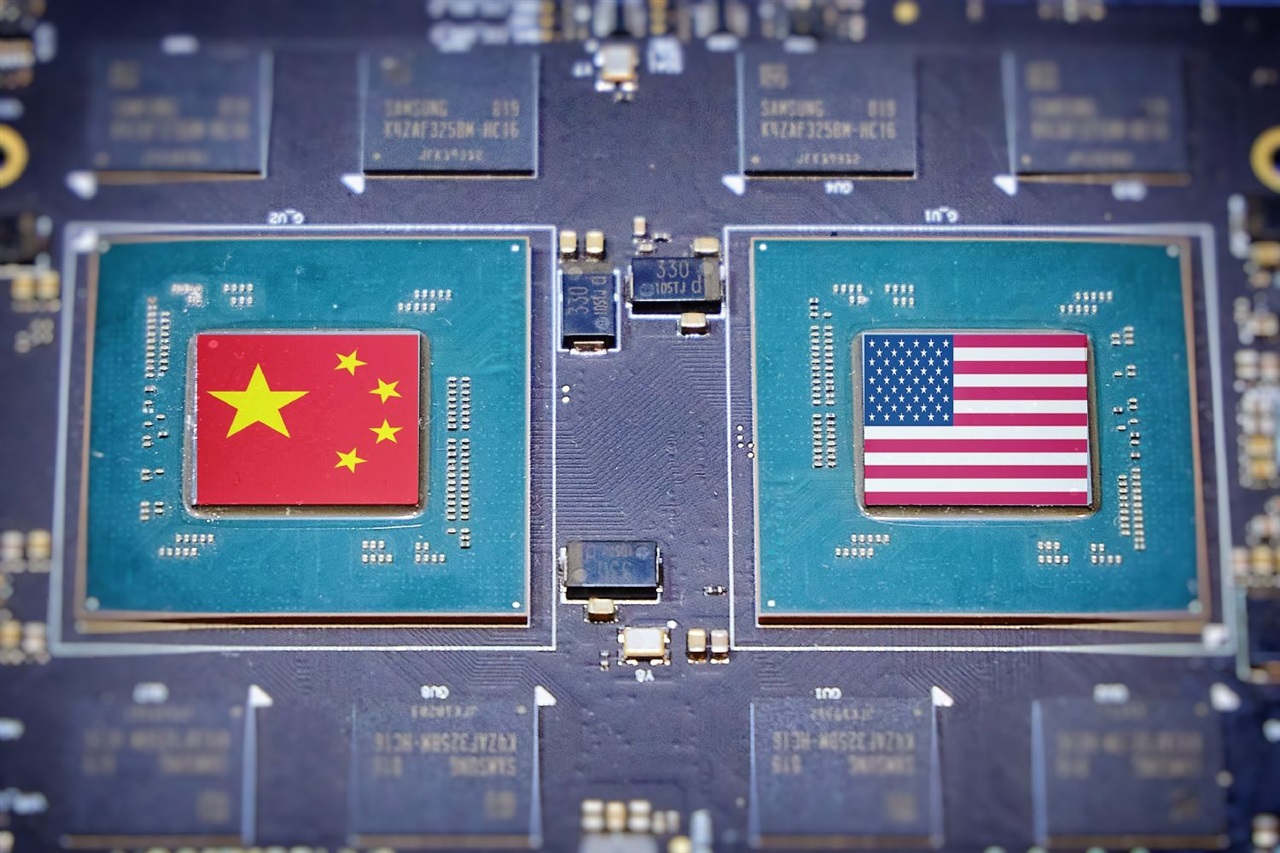
China continues to make strides in semiconductor self-sufficiency, pushing through the limitations imposed by the US export controls on Extreme Ultraviolet Lithography (EUV) technology. As a result of these restrictions, Chinese technology firms have accelerated their efforts to innovate within the more mature chip-making processes, with notable successes being reported by industry leaders such as Huawei.
## Understanding the Context: The EUV Ban
Extreme Ultraviolet Lithography is a cutting-edge process used to create the smallest and most advanced semiconductor chips. The US, citing national security concerns, has restricted the export of EUV technology to China. This move has the potential to significantly hamper China’s ambitions to advance its local chip-manufacturing capabilities.
### China’s Response: Innovation at Mature Nodes
Despite the EUV ban, Chinese tech giant Huawei claims it has made significant progress in semiconductor independence. The company alleges that it has successfully achieved domestic production of its self-designed 7nm and 5nm chips, managing to bypass the need for the restricted EUV processes.
This assertion speaks volumes about China’s potential to drive innovation at older, more mature nodes – which do not require EUV technology. By optimizing these older processes, Chinese manufacturers, including Huawei’s HiSilicon and the Semiconductor Manufacturing International Corporation (SMIC), can significantly expand their capabilities.
## Breakthroughs in 7nm and 5nm Chips
The 7nm and 5nm technologies are milestones in semiconductor manufacturing, significantly impacting smartphone performance and efficiency. Huawei’s supposed successful integration of domestically produced 7nm and 5nm chips into its smartphones marks a pivotal step in the nation’s semiconductor journey. This development could lead to increased market standing for HiSilicon and SMIC, two prominent players in the Chinese semiconductor industry.
The narrative indicates that despite being locked out of the latest EUV-based technology, Chinese companies are finding alternative pathways to success.
### Practical Insights for Companies Facing Similar Restrictions
Organizations dealing with similar technological bans can glean several actionable insights from China’s approach:
1. **Optimize Mature Technologies**: Companies can refocus their efforts on improving existing mature-node processes. Investing in optimization can potentially yield results that approach those of more advanced technologies.
2. **Emphasize Research and Development**: Embracing a culture of innovation and continuously investing in R&D is vital. By doing so, firms maintain a pipeline of alternative solutions and methodologies.
3. **Pursue Local Talent and Resources**: Bolstering local expertise and drawing upon domestic resources can help attenuate the impact of external restrictions.
4. **Encourage Collaboration**: Sharing knowledge and resources with local industry players can lead to collective growth and the development of homegrown solutions.
## Recent Trends and Potential Applications
In recent times, there has been a global trend of reassessing supply chains and achieving technological sovereignty. With advancements in mature-node processes, the semiconductor industry could see a redistribution of market powers, leading to increased competition and innovation.
For everyday applications, this evolution might translate into a broader array of smartphones and electronics that rival current offerings both in quality and price point. Companies can leverage these insights to innovate within their markets, providing competitive alternatives and fostering local industries.
In summary, while the EUV ban presents significant challenges for China’s technological advancements, the country’s active pursuit of domestic innovation within mature semiconductor nodes cannot be understated. Other industries and nations could learn from this approach, adapting and innovating in the face of trade limitations to sustain progress and stay competitive.