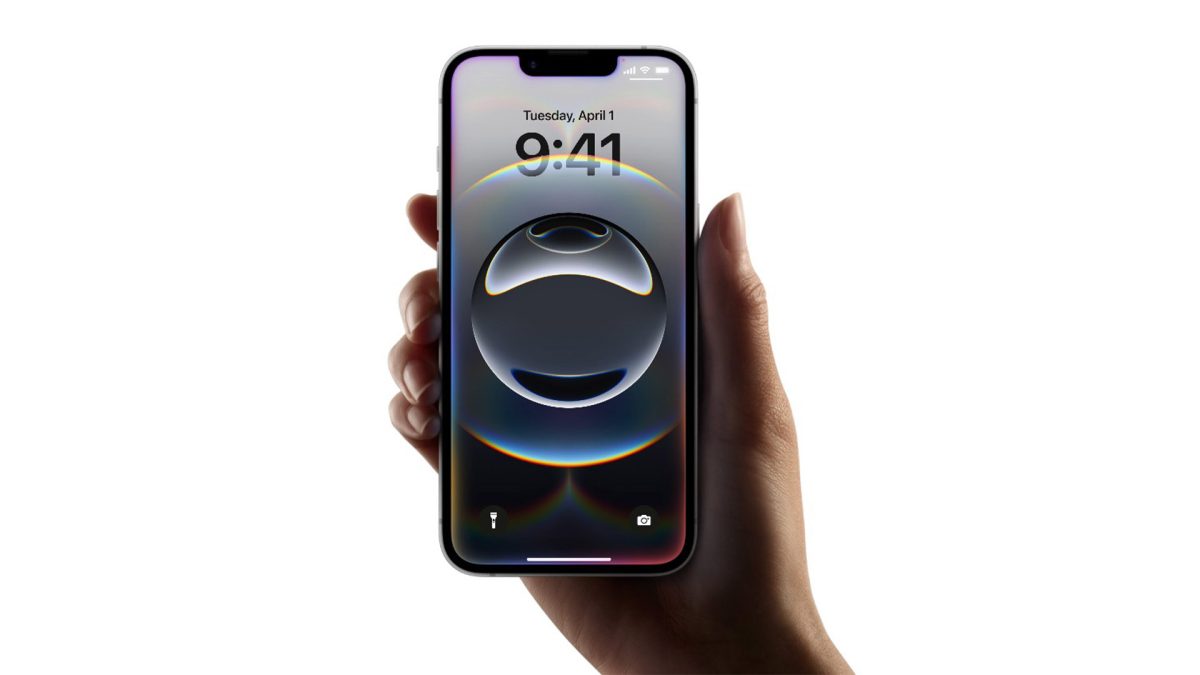
Earlier this year, Apple unveiled its iPhone 16e, a budget-friendly phone that quickly captured attention not just for its affordability paired with premium features but for being the first to feature Apple’s in-house C1 cellular modem. Traditionally, Apple had relied on Qualcomm for its modem technology, but this shift marked a strategic move to gain more control over hardware integration and reduce dependency on third parties. This transition aimed to enhance energy efficiency; however, a recent study suggests that Qualcomm’s modems still outperform Apple’s in several crucial areas.
Despite the iPhone 16e’s advanced A18 chip, which provides enhanced AI features and performance, the introduction of Apple’s C1 modem was a significant milestone. This step toward in-house production emphasized improved power efficiency and battery life. Yet, a report commissioned by Qualcomm indicates that when it comes to connectivity and speed, Apple’s C1 modem doesn’t quite match up to its Qualcomm counterparts.
To test this, a study compared the performance of the C1 modem in the iPhone 16e against two Android phones equipped with Qualcomm’s latest flagship modems. Conducted across New York City using T-Mobile’s sub-GHz 5G network, the study put the devices through three different real-world conditions to ensure accurate results. The Android devices, featuring Snapdragon X75 and X80 modems, delivered noteworthy results.
The outcome was unexpected for many, revealing that the Android phones showcased 34 to 35 percent faster download speeds than the iPhone 16e. The disparity was even more pronounced in upload speeds, where Android devices outpaced the iPhone by 81 to 91 percent. Clearly, Qualcomm’s modems demonstrated superior performance compared to Apple’s first attempt at an in-house chip.
While the study was sponsored by Qualcomm, and should be viewed with some skepticism, the findings reflect Qualcomm’s longstanding dominance in the cellular modem market. As Apple ventures further into developing its own modems, it faces a challenging road ahead to match and possibly surpass the established expertise of Qualcomm.