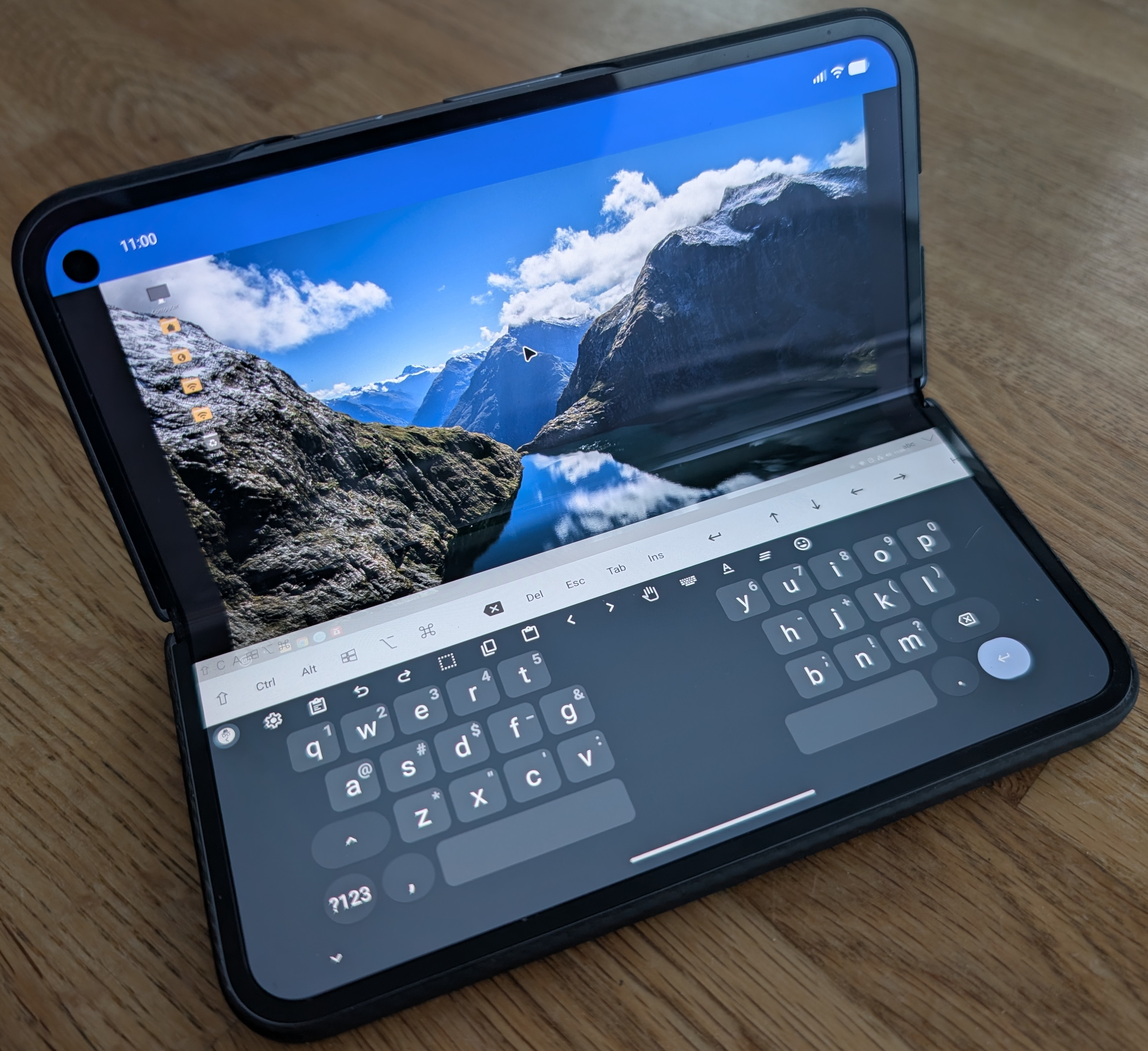
After years of upgrading Google’s latest flagship phones and feeling like each new model offered only small tweaks, I finally decided to try something different: my first foldable. Foldable phones look like the obvious next step on paper, especially with the promise of a bigger screen whenever you want it. But after living with the Pixel 10 Pro Fold for three months, I’ve come away with a much less romantic view of the foldable lifestyle.
This wasn’t an impulsive purchase. I stayed away from foldables for years because durability always felt like the big unanswered question. That hesitation eased when the Pixel 10 Pro Fold arrived with an IP68 dust and water resistance rating, which made it feel more like a “real phone” you could trust day to day. Still, even with the improved toughness, the bigger issue hasn’t been durability. It’s the constant trade-offs.
The 8-inch internal display is the headline feature, and the first time you unfold it, it genuinely feels special. If you’re coming from a standard “candy bar” phone screen, even a large XL model, that extra canvas is impressive. The problem is that the wow factor fades quickly when you start doing normal phone things.
The reality is that the foldable’s inner screen shape creates more compromises than I expected. That square-ish aspect ratio sounds fine until you actually use it for the most common big-screen activity: watching video. Modern media is widescreen. YouTube, Netflix, and most streaming content are made for a wide rectangle, not a near-square. So while watching on the internal display can feel immersive, the usable video area often ends up only slightly bigger than what you’d see on a regular phone. In practice, it can be hard to justify unfolding the phone just to watch something when the payoff isn’t as dramatic as you’d assume.
Web browsing is one of the better use cases. Some websites scale nicely and feel airier and easier to read, and you can see more content at once. But plenty of sites don’t adapt well, leaving awkward empty margins that waste the very screen space you paid for. And outside of Google’s own apps, surprisingly few apps take real advantage of the extra room. Yes, things can look bigger and you can fit more on a page, but the overall experience often feels like the same phone interface stretched wider rather than redesigned to benefit from a foldable screen.
Multitasking was another idea that sounded perfect in theory. Running two apps side by side seems like the kind of feature that should make a foldable feel like a productivity leap. But in daily life, it rarely earned its keep. Even when I needed to copy content from one app to another, setting up split-screen often took longer than simply switching between apps the normal way. Over time, it became one of those features that feels great in marketing but doesn’t naturally become part of the routine.
Where the bigger screen genuinely helped was remote administration. Using Remote Desktop, VNC, and similar tools is more comfortable on a foldable than on a traditional phone, simply because you have more room to work. However, even here the display shape causes friction. Most PCs use widescreen monitors, and that mismatch means you don’t always make full use of the foldable’s screen unless you change the host machine’s resolution to something like 5:4 or 4:3. When you do, the experience can be excellent and the square display finally feels “right.” But then you’re stuck switching resolutions back and forth depending on what device you connect from, which adds hassle to what should be a seamless advantage.
These issues aren’t exclusive to this specific phone. They’re part of the broader challenge with many foldables that use a squarer inner screen. Interestingly, it also highlights why some people preferred earlier foldable designs that aimed for a more balanced form factor. It’s not just about having more screen—it’s about having the right shape of screen for what people actually do.
Performance has been another sticking point. The Pixel 10 Pro Fold handles everyday tasks like web browsing, app switching, and general use without major issues, and it’s efficient enough with battery. But for anything even moderately demanding, it quickly feels underpowered. The Tensor G5, in particular, left me severely unimpressed once I stepped outside basic daily use.
One example that should have been a perfect match for a foldable is Nintendo 3DS emulation. The concept is ideal: a larger display makes it easier to show two screens side by side, something that feels cramped on most traditional phones. Unfortunately, the performance wasn’t there. Lighter games at native 3DS resolution can be playable, but the experience falls apart quickly as demands increase. With more intensive titles, performance dropped into low frame rates, and pushing resolution higher made it even less realistic. The foldable form factor teased a great use case, but the chipset couldn’t consistently deliver.
The camera situation is also a reminder that “Fold” and “Pro” branding doesn’t necessarily mean you’re getting the same imaging hardware as the non-folding flagship counterparts. It’s a compromise, though in day-to-day photos the difference can be smaller than you might fear. In my experience, the results were often hard to distinguish, and zoom quality—one of my biggest concerns—held up better than expected.
One foldable camera perk that sounds incredible is using the rear cameras for selfies while the phone is unfolded, potentially giving you significantly better selfie quality than a traditional front camera. In practice, it’s awkward. Holding an unfolded foldable securely while trying to take a selfie feels like a maneuver you have to learn, especially when you’re constantly aware you’re handling an expensive device. I eventually developed a grip that made it workable, but it still took time, effort, and caution. And if you want a landscape selfie with one hand, reaching the shutter button becomes a genuine struggle unless your hands are perfectly suited to it.
After three months, I wouldn’t call foldables a failure. They do have moments where they feel like the future. But the bigger takeaway is that the extra screen real estate often comes with a long list of daily compromises—screen shape inefficiencies, limited app optimization, awkward multitasking habits, and performance that can feel disappointing for the price.
That price is the final hurdle. When foldable phones cost close to double what many excellent standard smartphones cost, they need to deliver a clearly superior experience. Right now, the value doesn’t scale with the price. The screen is nice, but it doesn’t consistently add enough practical benefit to justify what you give up—and what you pay.
I wanted to love the Pixel 10 Pro Fold. But until foldables deliver that bigger-screen experience without making you compromise everywhere else, this may be the last foldable I buy.


