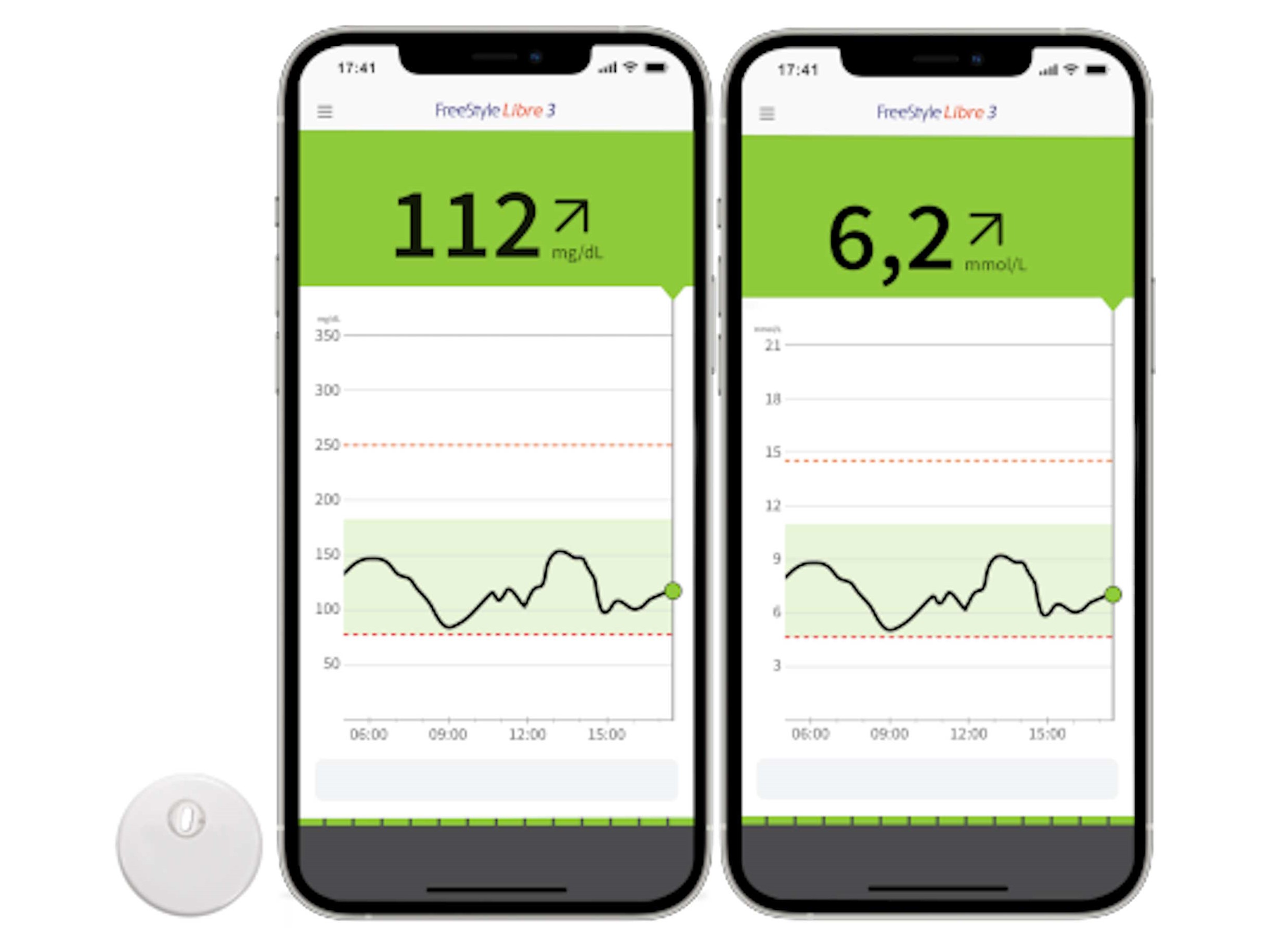
Updating to Android 16 might spell trouble for some users relying on glucose monitors, like Abbott’s FreeStyle series. These devices, crucial for individuals managing diabetes, may experience connection issues due to incompatibility with the latest Android release. Particularly, Abbott has noted that their app hasn’t been officially updated to work with Android 16, which leaves users facing potential disruptions.
While smartphone updates typically come with a range of new features and improvements, they can also introduce less visible changes in the operating system’s underlying structure. These changes, though often minor, can significantly impact devices that depend on stable connectivity, as is the case with continuous glucose monitors (CGMs).
Some users have shared their experiences post-update. For instance, on a Google Pixel 7, the updated app has reportedly been draining the battery at an accelerated rate, leading to reduced standby time. Others have highlighted connection drops and sensor failures, which could have financial repercussions due to sensor costs. Such interruptions are not only inconvenient but can pose serious health risks if a blood sugar alert is missed.
Complaints aren’t limited to Abbott’s products; users of Dexcom insulin pumps paired with glucose sensors have also reported similar issues. The potential for missed alerts due to connectivity problems can lead to dangerous situations if blood sugar levels fall unnoticed.
While new technology often comes with teething issues, the stakes are decidedly higher when health devices are involved. Users are advised to remain vigilant and perhaps delay the update until compatibility is officially confirmed to avoid any potentially harmful disruptions.