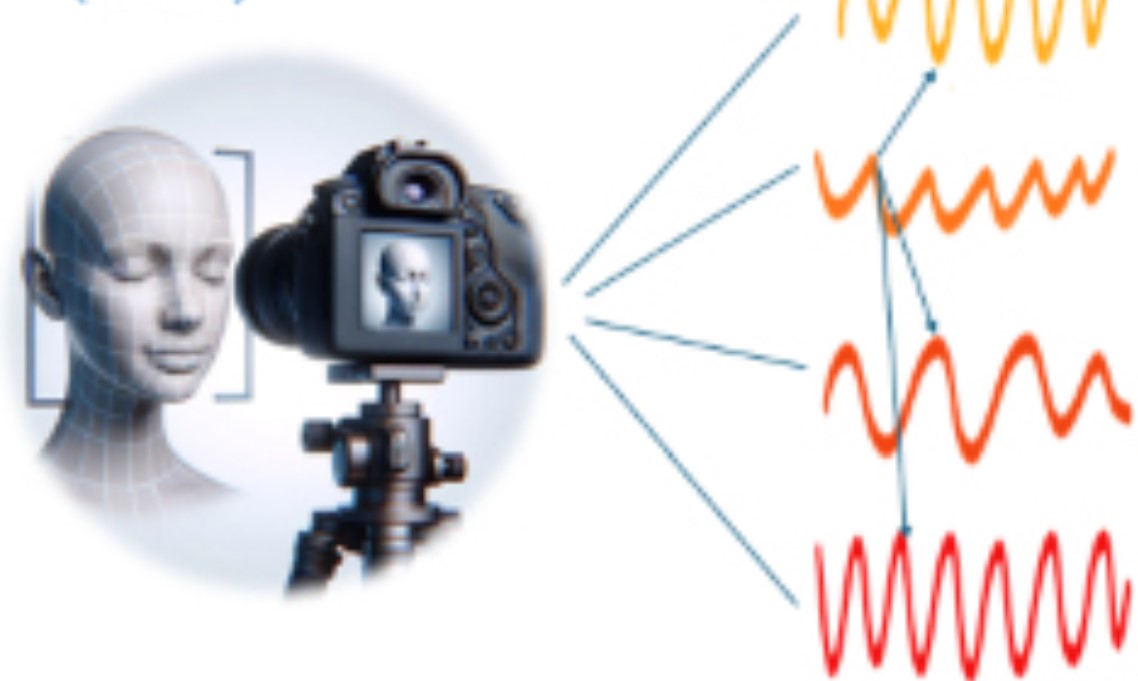
Innovative strides in health technology have emerged from the University of Tokyo, where researchers have introduced a groundbreaking non-contact method for assessing crucial health indicators like blood pressure and blood glucose levels. This cutting-edge approach utilizes an optical camera to deliver pain-free measurements, marking a significant leap forward in medical diagnostics.
The method employs a multispectral camera aimed at a participant’s face, designed to detect subtle blood flow variations that the human eye cannot perceive. These cameras capture IR and UV spectra, making them highly sensitive to changes beneath the skin. However, processing this data requires sophisticated AI software, as traditional image analysis faces challenges due to thermal noise and other complicating factors.
To enhance accuracy, the AI was meticulously trained using images paired with actual blood data collected simultaneously. This approach allowed for the precise prediction of health markers.
The ability to predict diabetes, a condition affecting millions globally, is particularly significant. Often going unnoticed for years, early detection of diabetes is crucial for effective management. The AI has demonstrated a 75.3% accuracy rate in predicting diabetes by analyzing blood glucose and A1C levels.
Moreover, the technology shows impressive potential in hypertension prediction, achieving an accuracy rate of 94.2%. As heart disease remains a dominant health issue, early detection through such non-invasive means could lead to timely intervention with lifestyle adjustments and medications.
While this pioneering technology is still undergoing rigorous testing before it’s available commercially, individuals can proactively monitor their health using existing tools like blood pressure monitors and maintaining an active lifestyle. These innovations promise a future where health assessments are both convenient and highly effective, marking a transformative moment in how we approach personal healthcare.