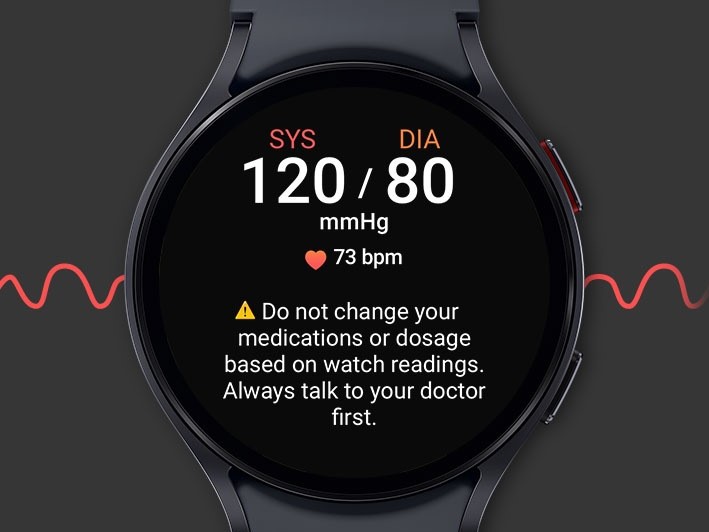
Samsung is poised to make waves in the health technology sector with a potential breakthrough in blood pressure monitoring for its Galaxy Watch series. Advanced blood pressure measurement features are a key aspect of the current Galaxy Watch7, offering users insight into their systolic (SBP) and diastolic blood pressure (DBP), along with pulse rates.
The existing system operates with a photoplethysmogram (PPG) sensor to gather optical signals and provide an estimated blood pressure reading. Users currently need to calibrate this feature with a blood pressure cuff, repeating the process every 28 days. While these measurements provide useful feedback, Samsung advises users that they are not designed for diagnosing health conditions and recommends consulting healthcare professionals for medical advice.
According to a recent US patent filed by Samsung, the company is exploring advanced methods to enhance the accuracy of blood pressure measurements on its wearables. The document acknowledges challenges in current technology, such as the potential for SBP and DBP values to alter independently, leading to inaccurate readings. Samsung’s innovative approach suggests integrating multiple bio-signal sensors, including the PPG, electrocardiography (ECG), electromyography (EMG), and ballistocardiography (BCG), to achieve more reliable measurements.
In the sphere of mobile health, Samsung is not taking a backseat. As revealed in an interview earlier this year, the head manager of Samsung’s Mobile Health division discussed the aspiration to eliminate the need for manual calibration with blood pressure cuffs. Furthermore, the inclusion of continuous blood pressure monitoring is on the horizon, a feature that could significantly aid in the early detection of hypertension and other cardiovascular conditions.
While the exact timeframe for when these advancements will be incorporated into Samsung Galaxy Watches remains uncertain, it’s clear that health monitoring and convenience are at the forefront of Samsung’s innovation strategy. This commitment to health tech promises to deliver features that not only enhance user experience but also play a vital role in managing and understanding personal health.
Tips for Optimizing Blood Pressure Monitoring with Samsung Galaxy Watch
1. **Frequent Calibration**: Ensure your device is calibrated regularly for accurate readings.
2. **Consistent Wear**: For best results, wear your watch in the same position each day.
3. **Understand the Limits**: Use the blood pressure monitoring feature as a health tool, but not for medical diagnosis.
4. **Stay Informed**: Follow updates from Samsung for the latest in wearable health technology advancements.
5. **Professional Consultation**: Always consult healthcare providers for medical evaluations and interpretation of blood pressure data.
6. **Embrace the Ecosystem**: Utilize the full range of health features and apps available in your Samsung wearable.
In anticipation of these updates, Samsung users can look forward to a future where managing cardiovascular health is more seamless and integral to their daily routine with their Galaxy Watch.


