Electric vehicle giant Tesla is actively working on improving the charging performance of its 4680 battery cells, which were initially celebrated for their potential cost efficiency during their showcase at Battery Day 2020. However, challenges have arisen since then, particularly with the energy density and charging speed of these cells. Despite these hurdles, Tesla has not realized the 56% cost savings it forecasted, with the cells currently displaying benefits primarily from their space-efficient design rather than new chemistry.
Tesla CEO Elon Musk acknowledged that the company’s 4680 batteries produced in Austin currently cost more than those sourced from suppliers. Achieving cost parity this year is critical, especially with the impending launch of the much-anticipated Cybertruck, which relies on cost-effective battery solutions to remain competitive.
The Cybertruck’s version of the 4680 cells—dubbed “Cybercells” and also produced in Texas—has marked an improvement in energy density over the earlier iterations used in the Model Y. But even with these strengths, the Cybertruck falls short of the charging benchmarks set by its predecessors, which is surprising given that it’s Tesla’s maiden EV designed on an advanced 800V platform.
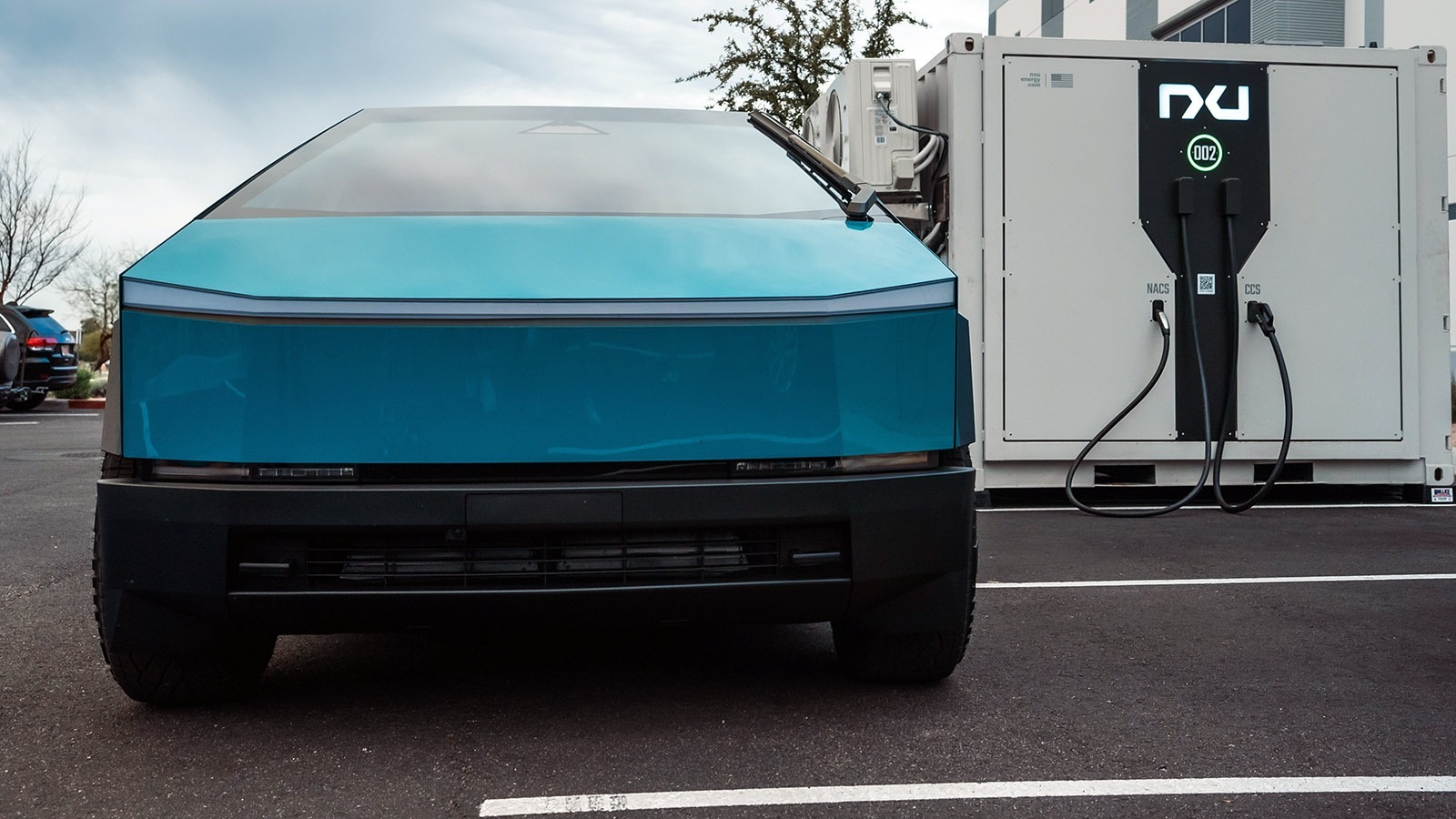
During charging speed evaluations involving robust 350kW chargers, the Cybertruck disappointingly did not deliver the rapid 20-minute charging time that was anticipated by Tesla’s top engineering minds. Similar issues have appeared in the Texas-made Model Y fitted with the same 4680 cell technology. Subsequently, Tesla has discontinued the Model Y variant with this cell type.
Buoyed by substantial charging data from Cybertruck users, Tesla is poised to release an over-the-air (OTA) update. This enhancement is expected to allow drivers to gain an additional 154 miles of range in just 15 minutes. Such advancements will likely extend beyond the Cybertruck, potentially benefiting the 4680 battery-equipped Model Y vehicles as well.
Central to slashing the production costs of the 4680 cells is the innovative dry electrode production method. This technique promises a dramatic reduction in manufacturing infrastructure, energy consumption, and reliance on harmful chemicals compared to the traditional wet cathode approach.
Despite the appeal of the dry electrode method, Tesla has faced setbacks in applying the technology on a large scale, indispensable for the ambitious production targets for both the Model Y and Cybertruck. In an informative tour with industry analyst Sandy Munro, Tesla’s former battery leader revealed that the 4680 batteries were indeed fabricated using this promising dry method, although the exact production volumes and rates remained undisclosed.
Tesla has taken legal steps to protect its proprietary technology, filing a lawsuit against its former supplier, Matthews International. The automotive titan accuses the company of purloining trade secrets related to the dry cathode production process, seeking $1 billion in damages to mitigate its financial investment losses.
Amidst these lawsuits and production snags, including significant layoffs at the Austin Gigafactory central to the 4680 cell development, Tesla is diligently striving to optimize its production processes to reduce costs imminently.
As Tesla grapples with these challenges and strategically revamps the efficiency of its Cybertruck battery cells, enthusiastic EV buyers remain watchful for the practical and economic implications these advancements will have on the overall Tesla line-up.