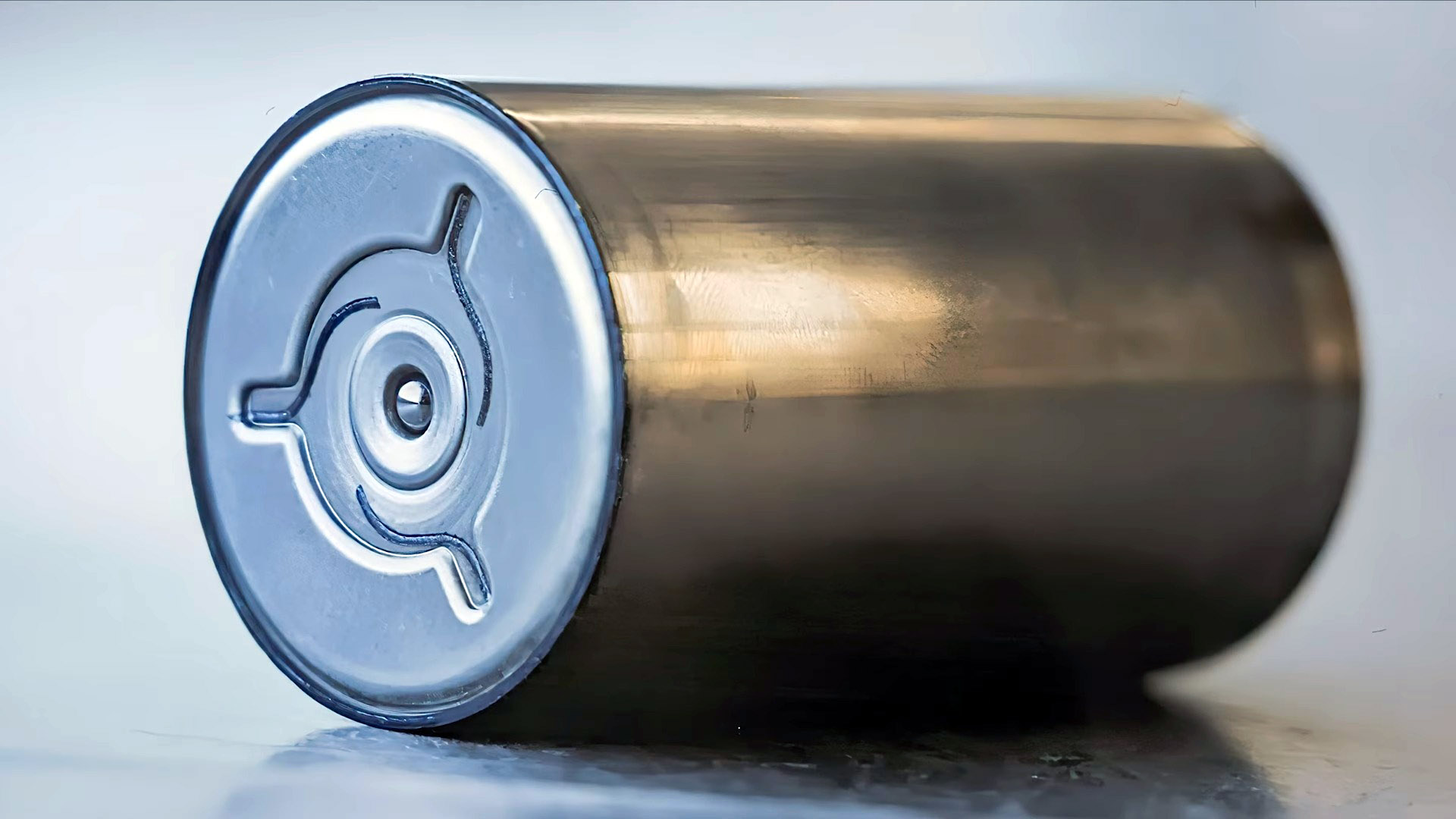
Tesla has been revolutionizing the electric vehicle (EV) market with innovative battery technologies, and the latest teardown of the second-generation 4680 battery from the much-anticipated Cybertruck offers us a glimpse into the company’s advancements. Recent disassembly of this advanced battery shows significant improvements in energy density and production methods, signaling yet another leap forward for Tesla.
In the first generation, 4680 battery cells incorporated into the Model Y’s structural battery pack exhibited an energy density of 244 Wh/kg. This figure was notably less compared to the 269 Wh/kg energy density of the 2170 Panasonic cells utilized in Tesla’s long-range vehicles. The initial 4680 batteries’ lower energy density and production yield issues prompted Tesla to halt their use in the Texas-made Model Y and to focus on the design of a more efficient cell for the Cybertruck—aptly named the Cybercell. Boasting a 10% higher energy density, the Cybercell aligns with the performance of the 2170 cells.
Researchers from an energy storage lab at UC San Diego have surgically dissected and investigated the Cybercell to understand how Tesla has significantly enhanced its qualities. They discovered that a substantial part of the 10% uplift in energy density is attributed to the reduced weight of the cell. Innovations include a thinner casing for the cell, fusing the lid directly to the casing—an approach in tandem with the tabless electrodes. This design innovation ditched several other components, such as the plastic gasket and the copper current collector, slashing the overall cell weight by 30%.
The research endeavor is now turning towards the cathode, focusing on its nickel content to ascertain the complete energy density of the Cybertruck’s 4680 battery, with findings expected in the upcoming weeks. These insights are paramount as they will play a crucial role in the optimization of the batteries.
At the annual shareholder meeting, Elon Musk highlighted a pivotal goal for Tesla: to equate the production costs of the 4680 battery cell with those of vendors like Panasonic by the close of the current year, or else consider sourcing from these third parties.
Tesla is on track to achieving this cost-effective production milestone with Cybertrucks now rolling off the assembly line, outfitted with dry-cathode 4680 cells. This approach represents a breakthrough in the dry electrode production method, which Tesla has been perfecting over the years and appears to have now successfully implemented.
While the scale of production for these advanced cells has yet to be determined, the Cybertruck is currently in mass production using the second-generation 4680 battery, revealing the production efficiencies that have led to its increased energy density.
For Tesla enthusiasts and prospective EV owners, this evolution in battery technology not only hints at longer range and enhanced performance of the Cybertruck but also signifies the potential for more cost-effective EV solutions in the future. This continuous innovation stands as a testament to Tesla’s commitment to advancing sustainable transportation technologies.


