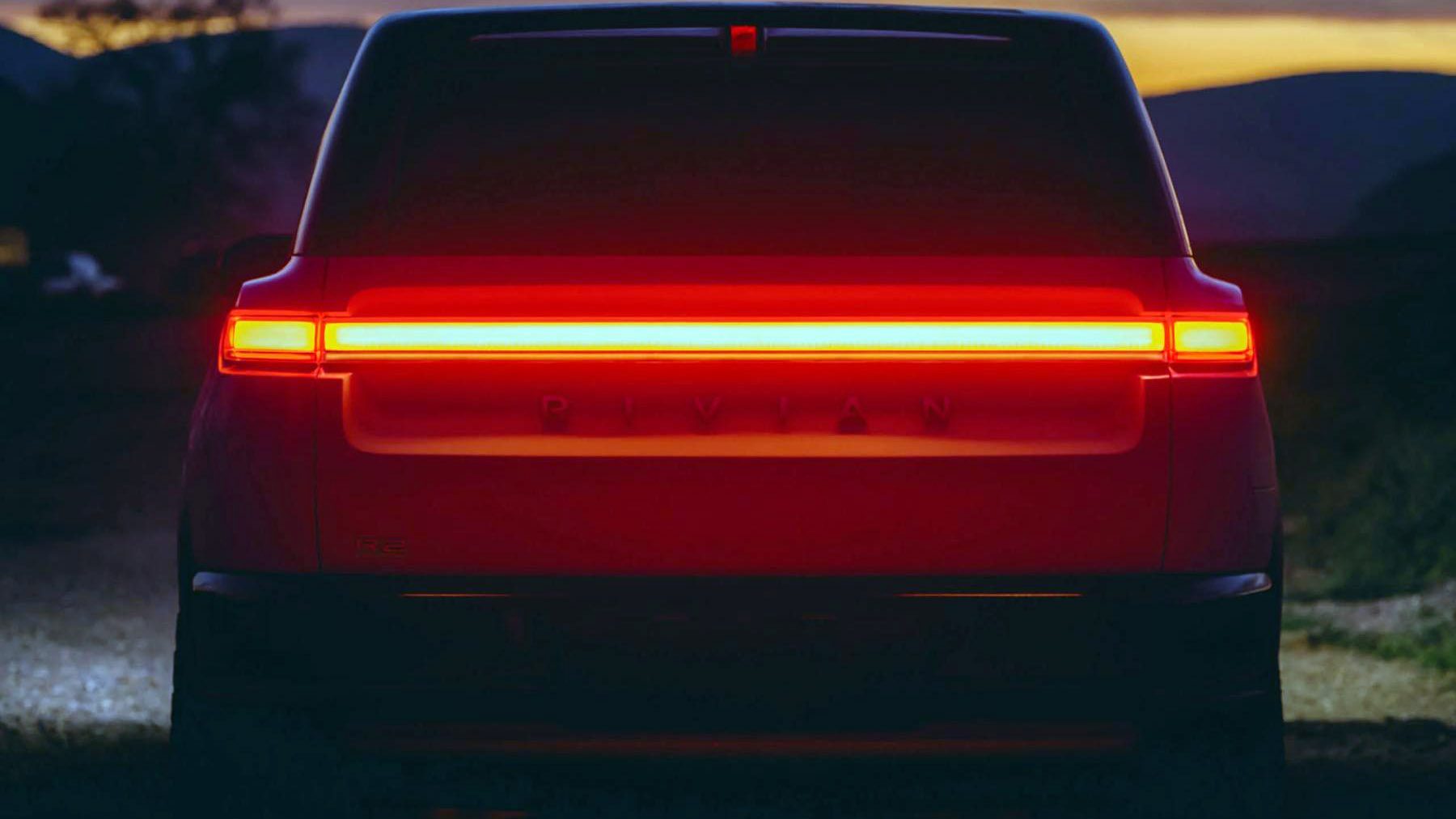
Rivian is stepping up its game with the upcoming R2 compact SUV, taking aim directly at Tesla’s much-anticipated Model Y Juniper facelift. This move is stirring excitement, especially with Rivian’s announcement to match Tesla’s competitive pricing. Both models are expected to start around $44,990 before incentives, a significant drop compared to Rivian’s first entry, the R1 line, which begins at $69,900.
The R2 promises to stand out in the crowded EV market, utilizing LG’s innovative 4695 battery. This powerhouse boasts six times the energy density of the 2170 cells currently used in both the R1 line and the Tesla Model Y. By securing a 5-year deal, Rivian plans to receive 67 GWh worth of these cells, sufficient for powering up to 700,000 R2 SUVs.
On the Tesla front, Elon Musk hinted at their plans to revolutionize battery production with the upcoming 4680 cells. These could become the most cost-effective U.S.-manufactured batteries, thanks to breakthroughs like the dry cathode method and substantial federal subsidies. Tesla’s vision includes four distinct 4680 battery packs tailored for various models, including the Cybertruck and Robotaxi, each eligible for federal tax credits.
Interestingly, the Model Y Juniper will feature smaller 4680 cells compared to Rivian’s taller 4695 cells from LG. This size difference is more than cosmetic; the larger LG cells are expected to enhance manufacturing efficiency by 45% and streamline battery assembly. These innovations could significantly lower costs per kilowatt-hour, making Rivian’s R2 as attractive financially as it is technologically.
Rivian is keen on tapping into U.S. domestic manufacturing benefits, aiming to have LG produce their batteries at a new facility in Queen Creek, Arizona. This strategy aligns perfectly with federal guidelines, potentially qualifying the R2 for full American-made tax credits.
Tesla, meanwhile, has faced challenges in producing 4680 cells with cost efficiencies that its partners, Panasonic and LG, achieve. However, the introduction of the Cybertruck battery utilizing the dry cathode method hints at Tesla’s path toward cost parity or even superiority, bolstered by federal incentives.
LG’s advancements aren’t to be underestimated, as their new 4695 cells might just tip the scales in favor of Rivian. Depending on how swiftly LG ramps up production in Arizona, Rivian could capture significant federal tax credits, boosting its competitive edge against Tesla’s Model Y Juniper.
In essence, Rivian’s strategic moves and innovations spell a thrilling rivalry in the electric vehicle arena, setting the stage for a fascinating showdown between the R2 and Model Y Juniper. As both companies push the boundaries of technology and cost-efficiency, EV enthusiasts have much to look forward to.