## Challenges and Changes at Tesla: Cybertruck Battery Woes and Shift Away from Model 2 to Robotaxis
Tesla’s recent job cuts have been making headlines, and these personnel changes can be traced back to developmental struggles with key projects within the company. One of the most high-profile setbacks has been the delay in the production of the innovative 4680 battery, a factor that is impacting the highly anticipated rollout of the Cybertruck. Moreover, a shift in focus from the production of a mass-market electric vehicle, dubbed Model 2, to the development of Robotaxis has also been a source of upheaval within Tesla.
### The 4680 Battery Hurdle
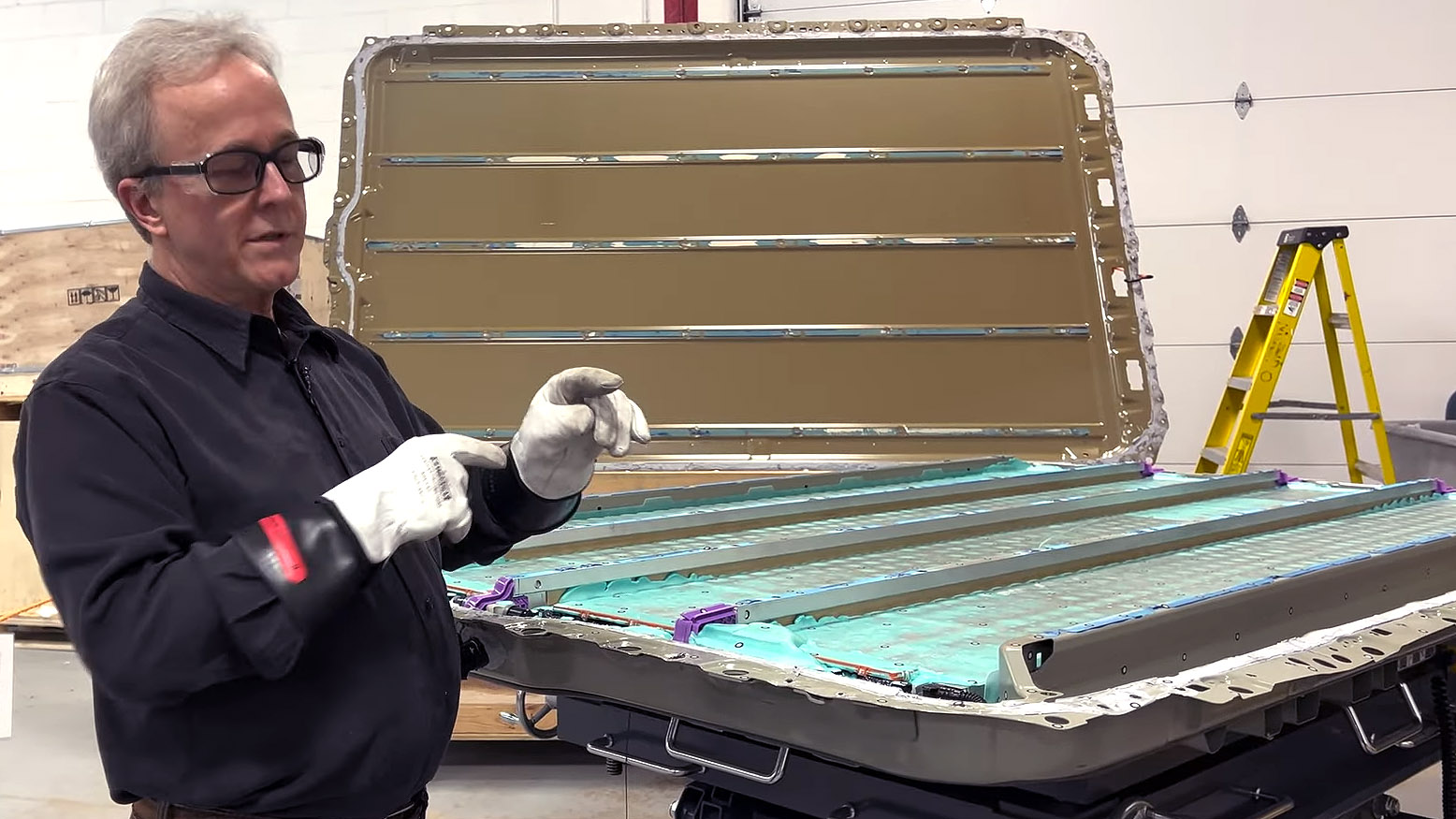
The anticipated efficiency and cost reduction promised by Tesla’s 4680 battery cells have been a central element of Tesla’s strategy to revolutionize electric vehicle production. Initially presented during Tesla’s Battery Day in 2020 by Elon Musk and then-powertrain and energy head Drew Baglino, this new battery format was expected to significantly reduce production costs.
However, Tesla has been facing a tough challenge ramping up the production of these cells, particularly due to the complexity of the dry cathode production method. This technique, which avoids the use of toxic materials and extensive baking processes, is proving to be difficult to scale up, despite initial successes. Rumors suggest that the current production capacity is just enough to produce around 2,000 battery packs per month, far below what is needed for a robust Cybertruck release.
Consequently, key figures like Drew Baglino and Senior Manager of Cathode Manufacturing, Anthony Thurston, who was overseeing the battery cathode factory expansion at Giga Texas, have parted ways with Tesla. These changes indicate the immense pressure to solve the bottlenecks created by the 4680 battery cell production challenges and to streamline Cybertruck’s production.
### Model 2 Plans Derailed
The strategy shift away from launching a more affordable electric vehicle, known as the Model 2, to focusing on the deployment of Robotaxis has also contributed to layoffs. Inside sources claim that the Model 2 project, code-named “Redwood,” has been abandoned. Subsequently, many employees engaged in the assembly plans for the Model 2 have been affected by the recent round of layoffs.
Rather than developing a section of the factory for Model 2 assembly, it is reported that efforts have been redirected toward expanding the facility to house a new data center for the Robotaxi project. This pivot clearly underscores Tesla’s realignment of priorities toward autonomous driving technologies and AI advancements. Yet this change is not without its hurdles, as the construction of this data center in Texas faces delays due to adverse weather conditions. With a critical deadline set for August 20, the concern for timely completion is evident, especially after the dismissal of Giga Texas’s head of construction.
### Robotaxi Vision and Regulatory Navigation
Tesla’s ambitious Robotaxi project is reliant on two key data centers in New York and Texas. These are intended to process vast amounts of real-life data to satisfy autonomous vehicle regulators. The data center, internally referred to as Dojo, represents Tesla’s commitment to the future of AI-driven transport solutions.
However, amidst these developmental challenges, Tesla has also laid off its VP of Public Policy responsible for securing regulatory permits. This move could signal a strategic shift in how Tesla intends to approach regulation hurdles, possibly seeking new avenues to advocate for its futuristic transport solutions.
In conclusion, Tesla is navigating complex waters with its innovative projects, such as the Cybertruck and the Robotaxi initiative. As the company experiences transitions and tackles production issues, the industry and consumers alike watch closely to see how Tesla overcomes these challenges and what strategic directions they will pursue in the future.