In the dynamic world of electric vehicles, the quest for the ultimate battery technology is as fierce as ever. Tesla’s 4680 battery, unveiled during Elon Musk’s much-anticipated Battery Day in 2020, promised a 50% reduction in cost compared to its predecessors. However, this revolutionary promise has faced considerable challenges, leading to notable changes in Tesla’s leadership, such as the departure of Drew Baglino, their former battery head.
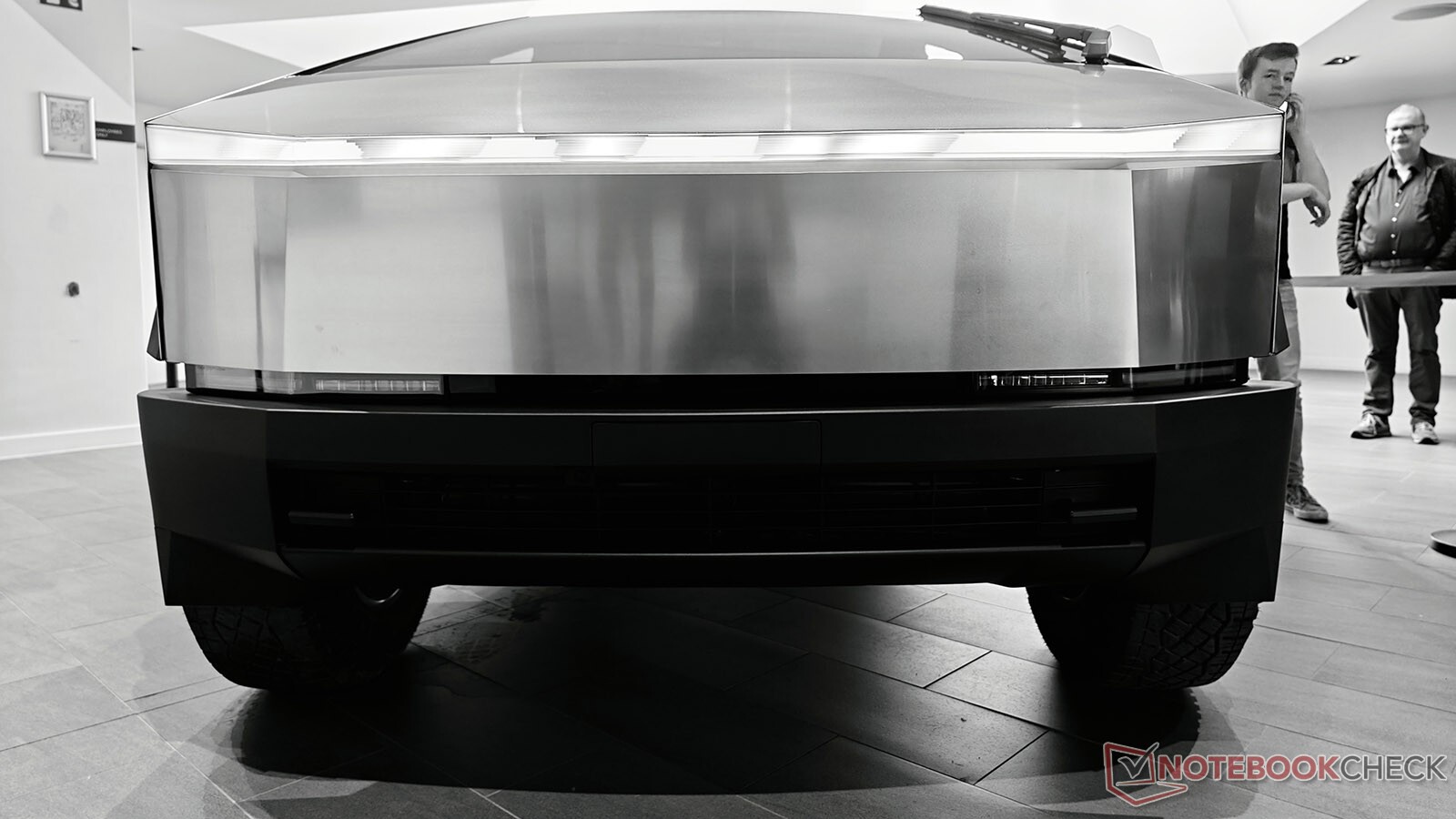
Elon Musk’s vision to develop in-house 4680 batteries hit roadblocks, slowing progress and putting pressure on timelines. This forced Tesla to consider sourcing batteries from suppliers like LG, whose advancements in Arizona suggest an edge in manufacturing processes. Fortunately, Tesla later announced a breakthrough in dry cathode production, making the production of 4680 batteries more economically viable. This innovation marked the beginning of their use in Cybertrucks.
Despite Tesla’s progress, critics remain. Robin Zeng of CATL, the world’s leading battery maker, predicted potential failure for Musk’s 4680 concept. He attributes this to over-ambitious timelines and promises that stretch the practicality of current technology.
The latest study comparing Tesla’s 4680 battery to BYD’s Blade battery sheds light on this predicament. Conducted by Jonas Gorsch and his team at RWTH Aachen University, the teardown reveals that the BYD Blade battery possesses double the thermal efficiency of Tesla’s 4680. While Tesla’s battery achieves a greater energy density due to its nickel-based composition, the study highlights heat dissipation challenges. High-state-of-charge (SOC) scenarios increase the battery’s resistance, unlike BYD’s design, which handles heat more effectively.
This heat inefficiency might explain the suboptimal charging performance of Tesla’s Model Y and even the hyped Cybertruck. Although Tesla has attempted to address these issues with over-the-air updates, the thermal constraints of the 4680 design remain a noticeable hurdle.
As the race between leading battery manufacturers continues, Tesla’s approach of delivering groundbreaking technology in a compressed timeframe is both ambitious and bold. But the practical prowess of companies like BYD and CATL, with their incremental advancements and mass production readiness, paints a compelling picture of the diverse strategies driving the electric vehicle revolution.