Tesla FSD V15 Could Bring Robotaxi-Level Self-Driving to Model Y Owners in the US
Tesla’s next major Full Self-Driving update could mark one of the company’s biggest steps yet toward autonomous driving for everyday customers. During Tesla’s latest earnings call, Ashok Elluswamy, the company’s Director of AI, confirmed that the self-driving software powering the Cybercab and Tesla’s Model Y robotaxis is essentially the same system.
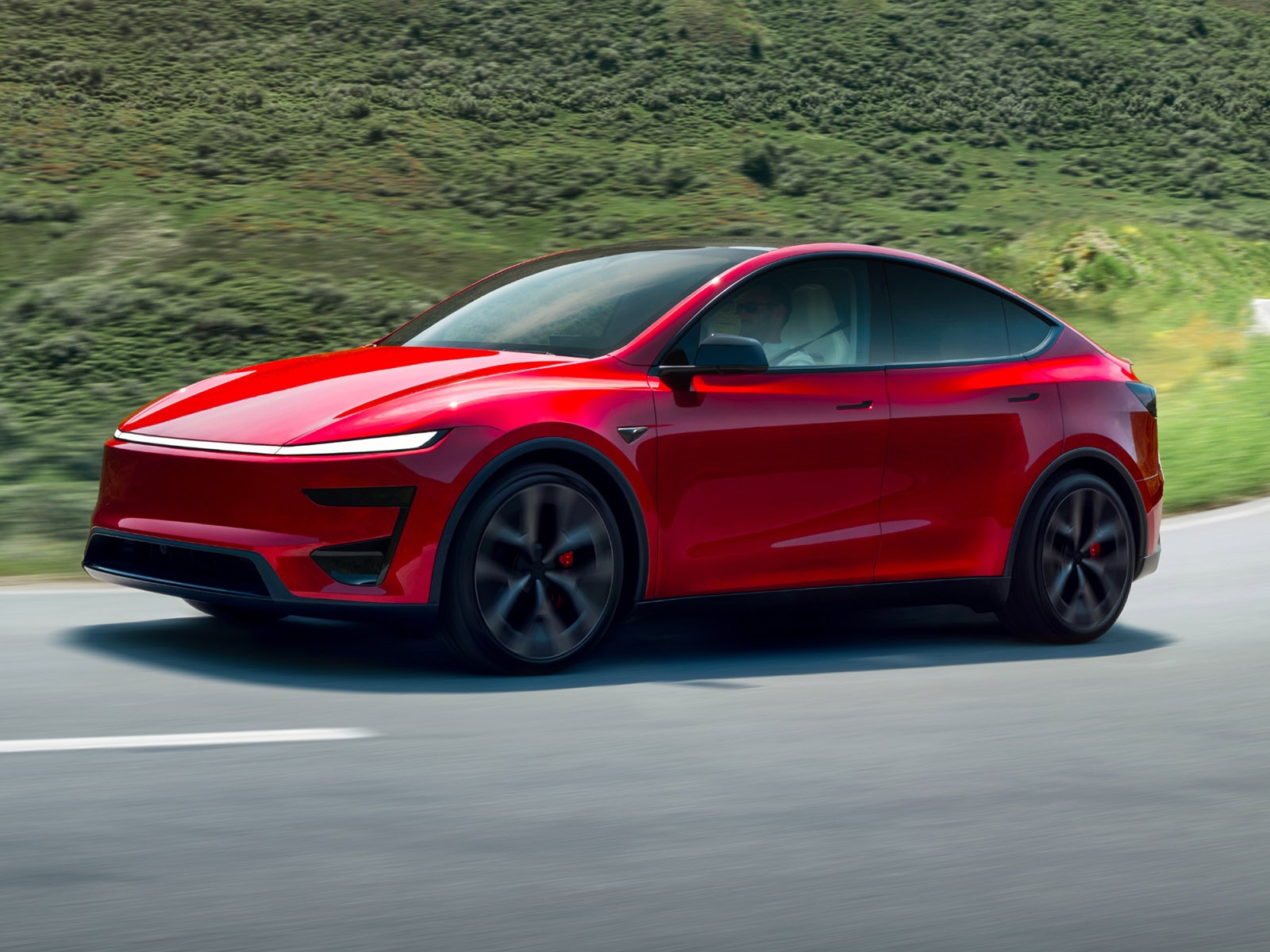
That means the technology behind Tesla’s dedicated robotaxi service is not being reserved only for company-owned vehicles. According to Tesla, current Model Y owners in the United States are expected to receive access to the same core capability through the upcoming FSD V15 release.
This is a major development for Tesla owners who have been waiting for the company’s self-driving ambitions to move beyond supervised assistance. Until now, Tesla’s unsupervised autonomous driving plans have largely focused on its own robotaxi fleet. Bringing that same software stack to customer-owned Model Y vehicles suggests Tesla is preparing for a future where private cars may be able to operate as autonomous vehicles under specific conditions.
However, this does not mean every Model Y will instantly become a fully independent robotaxi the moment FSD V15 arrives. Tesla says customer vehicles will first need to be integrated into its fleet management system. They will also need to operate within approved geofenced areas where Tesla’s Robotaxi service is available, such as Austin and other supported cities.
Tesla currently expects the first customer-owned vehicles to begin joining its Robotaxi fleet around the second quarter of next year. If that timeline holds, some Model Y owners could eventually allow their cars to drive autonomously in supported areas and potentially generate income when the vehicle is not being personally used.
The Cybercab, Tesla’s purpose-built robotaxi without pedals or a steering wheel, is following a separate rollout plan. Lars Moravy, Tesla’s Vice President of Manufacturing, said the company aims to begin getting Cybercabs to customers by the end of 2026. For now, Cybercabs produced in Texas are expected to go directly into Tesla’s own Robotaxi fleet.
Tesla appears to be taking a cautious approach with the Cybercab. The company plans to start with limited deployments, learn how delivery, ownership, autonomous operation, and fleet management work in real-world conditions, and then expand production and availability over time.
Elon Musk also clarified that the Cybercab is likely to remain focused mainly on Tesla’s ride-hailing network rather than becoming a typical consumer vehicle parked in private driveways. For regular buyers, Tesla still sees the Model 3, Model Y, and future Roadster as its primary customer-owned vehicles.
The strategy is becoming clearer. Tesla wants the Cybercab to serve as the backbone of its autonomous ride-hailing business, while the Model Y could give owners a way to participate in that network. If successful, a Model Y might eventually work as a robotaxi while its owner is sleeping, at work, or not using the vehicle.
The idea is ambitious and could reshape the economics of car ownership. Instead of sitting idle for most of the day, a Tesla could potentially become an income-generating asset. That promise has been central to Tesla’s long-term vision for years, and FSD V15 may be one of the most important steps toward making it real.
Still, major questions remain. Regulators will need to approve broader autonomous operation. Insurance companies will need to adapt to new risks. Owners will need to trust their vehicles to operate without supervision. Cities will also have to decide how autonomous fleets fit into existing transportation systems.
For now, Tesla seems to be moving carefully. The company is not simply flipping a switch for every customer vehicle at once. Instead, it plans to begin with selected areas, fleet management controls, and a gradual expansion of customer-owned robotaxi participation.
If Tesla delivers on its latest timeline, FSD V15 could become a turning point for Model Y owners in the US. It may not bring unlimited self-driving everywhere immediately, but it could open the door to a future where privately owned Teslas join the same autonomous network as Tesla’s own robotaxis.