Elon Musk is well-known for his ambitious timelines, yet when it comes to Tesla’s driver-assist features, the company’s AI team has demonstrated consistent progress. Recently, Tesla made waves by introducing its Full Self-Driving (FSD) v13, a development that’s generating a buzz in the automotive world.
Following the successful deployment of FSD for the much-anticipated Cybertruck and the September rollout of v12.5 for older Tesla models with HW3 kits, Tesla is now gearing up for another significant leap. FSD v13, which seemed like a distant concept just a month ago, is now on the brink of release, confirming Tesla’s aggressive timeline.
Ashok Elluswamy, recently elevated to Tesla’s Vice President of AI Software, shared insights at a pivotal Robotaxi announcement event. This event highlighted the advanced autonomous capabilities of Tesla’s most affordable car, showcasing performance powered by FSD 13. According to Ashok, this near-production AI software will soon be available for the wider Tesla fleet, suggesting that the much-anticipated FSD 13 launch is imminent.
This latest version, designed to revolutionize driverless technology, is expected to debut first with the Robotaxi. This vehicle, optimized for a seamless driverless experience, is fitted with Tesla’s cutting-edge AI5 driver-assist hardware. However, the exciting possibilities of FSD 13 aren’t limited to the Robotaxi. It might also enhance features like the unsupervised FSD option, which Tesla plans to introduce in specific regions next year, as well as the innovative Cybercab ride-share service for Model Y and Model 3 owners.
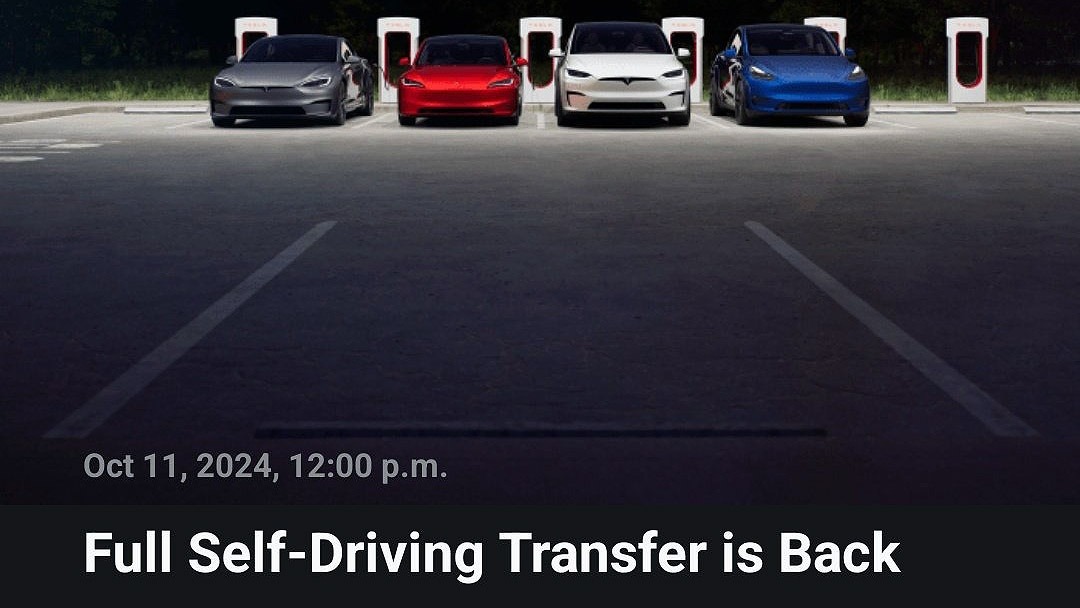
In anticipation of the FSD 13 release, Tesla has reintroduced its popular free FSD trial. Selected Tesla owners are receiving offers to test the capabilities of FSD for an entire month at no cost, giving them a chance to explore before making a purchase or subscription decision. Interestingly, for those leaning towards owning the feature outright, Tesla is offering a 0% APR financing rate on Models Y and Model 3, alongside a free FSD transfer service. These incentives aim to boost adoption rates in the US, especially as Tesla navigates regulatory hurdles for unsupervised FSD clearance.
Despite these advancements, the FSD global launch faces challenges, particularly in China, where approval delays are causing frustration. Local media reports suggest that the supervised version of FSD faces significant regulatory delays, with anticipated releases shifting from Q4 to Q1 or even later. This gives local competitors like Xpeng an edge, as they expand self-driving trials across major Chinese cities, leaving Tesla to catch up.
Tesla’s continued innovation and strategic rollout plans are key to maintaining its leadership in the electric vehicle market, even as it navigates complex regulatory landscapes worldwide.


