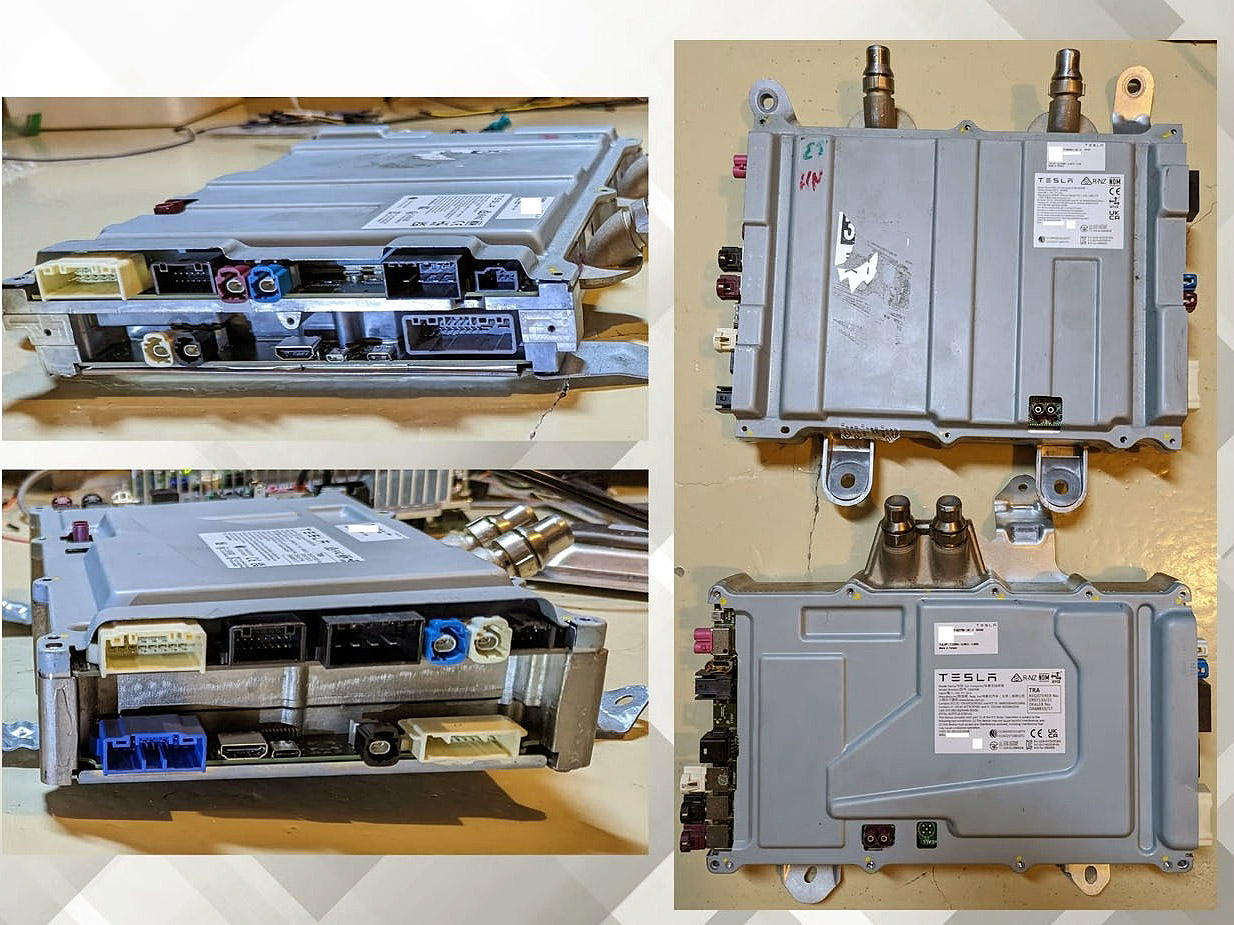
Tesla has finally drawn a hard line under one of the biggest lingering questions for long-time owners: Hardware 3 (HW3) will not be able to deliver Full Self-Driving (FSD) unsupervised. During Tesla’s Q1 2026 earnings call, Elon Musk acknowledged that the limitation isn’t simply about raw processing power. The real blocker is memory bandwidth, a fundamental bottleneck that software updates can’t fix.
That admission carries extra weight because for years Tesla has suggested that existing vehicles would eventually reach higher levels of autonomy through over-the-air improvements. Even as recently as late 2025, the idea that lighter versions of newer software could keep HW3 cars in the game was still being floated. Now, Tesla is effectively confirming that unsupervised FSD will remain out of reach on HW3, regardless of future updates.
What Tesla is offering HW3 owners now
For customers who paid for FSD and expected their current car to gain the most advanced capabilities later, Tesla is presenting two main paths forward. One option is a discounted trade-in toward a newer vehicle equipped with the AI4 computer. The other option is a hardware retrofit that replaces the existing FSD computer and also swaps in a new camera suite.
That second option is a major detail. Musk confirmed the upgrade won’t be as simple as dropping in a new computer module. Because new cameras are part of the required package, the retrofit could involve partial vehicle disassembly, making the process more time-consuming and more complex than many owners might expect.
Micro-factories could handle the retrofit surge
A large-scale retrofit plan raises a practical issue: can Tesla’s current Service Centers handle it without creating massive delays for regular repairs and maintenance? Musk suggested Tesla is looking at an alternative approach—setting up “micro-factories” in large urban areas specifically to perform these upgrades.
The concept is designed to reduce pressure on Service Centers while also accelerating the pace of retrofits. It also hints at Tesla’s longer-term strategy. Musk noted that once older HW3 vehicles are upgraded with AI4 hardware and new cameras, those cars could eventually qualify for Robotaxi fleet participation. In other words, Tesla could transform today’s HW3 hardware shortfall into a future revenue opportunity by bringing retrofitted vehicles back into the autonomy roadmap.
Will HW3 owners get the AI4 retrofit for free?
For many owners, the biggest unanswered question is cost. Tesla has said it will offer the ability to upgrade by replacing the computer, but it hasn’t clearly confirmed whether the retrofit will be free for those who previously purchased FSD. The alternative path Tesla mentioned—buying a newer car with some form of discount—suggests pricing and eligibility details may differ depending on the customer and vehicle.
Until Tesla clarifies terms, HW3 owners are left waiting to learn whether the retrofit is included with their original FSD purchase, partially subsidized, or treated as a paid upgrade.
A short-term boost: FSD v14 branch is coming to HW3
While unsupervised driving is now off the table for HW3, Tesla says older vehicles won’t be abandoned in the near term. Tesla’s head of Autopilot, Ashok Elluswamy, confirmed that a branch of FSD v14 is expected to roll out to HW3 cars in late June. It’s intended to bring the main features currently running on AI4 hardware to HW3 vehicles.
That’s notable because HW3 cars have been stuck on FSD v12.6 while AI4-equipped vehicles moved ahead. The upcoming v14 branch may help close the feature gap, even if it still won’t unlock the fully unsupervised capability many buyers originally anticipated.
AI4 is also evolving: AI4 Plus will double memory
Tesla also revealed it’s already planning a memory-focused refresh of the AI4 platform, underscoring just how critical memory bandwidth and capacity have become for modern autonomy software. The upcoming AI4 Plus revision will reportedly double RAM from 16GB to 32GB per chip, bringing total system memory to 64GB. Alongside the memory bump, Tesla expects roughly a 10% improvement in compute.
It’s a telling move, considering HW3’s downfall is tied directly to memory bandwidth limits. Tesla appears determined not to repeat that mistake by building in significantly more memory headroom for future FSD development.
What remains unclear is whether AI4 Plus will be an easy retrofit for current AI4 owners—such as a straightforward chip swap—or whether it will require a more involved upgrade process.
For now, the message is clear: HW3 can still receive meaningful software improvements, but the era of promising unsupervised Full Self-Driving on that hardware is over. The next phase for HW3 owners depends on how quickly Tesla can scale retrofits, how much those upgrades will cost, and whether the company can deliver a smoother path from today’s vehicles to its long-promised autonomous future.