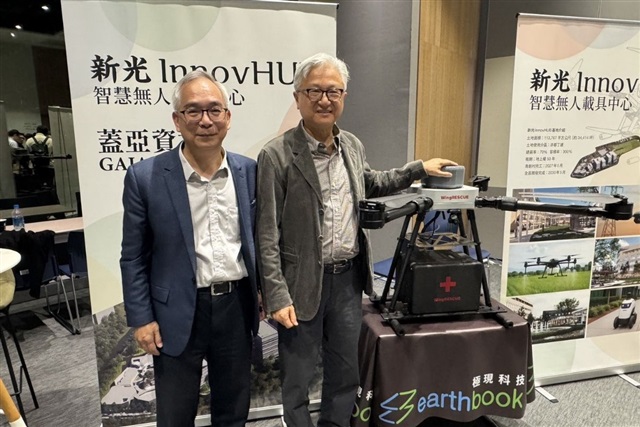
Taiwan is taking a major step toward becoming a regional powerhouse in self-driving technology, as Shinkong InnovHUB prepares to launch a specialized autonomous vehicle innovation hub set to open in 2027.
On December 23, 2025, Eric Wu, the founder of Shinkong InnovHUB, confirmed the timeline for the new facility and positioned it as a dedicated space for real-world autonomous vehicle testing and public demonstrations. The goal is straightforward but ambitious: create an environment where self-driving cars and related mobility technologies can be validated safely, showcased convincingly, and refined faster than they could be on open roads.
The planned hub is designed to serve as more than just a private test track. By offering a purpose-built testing and demonstration site for autonomous vehicles, it aims to support development across the ecosystem—helping teams evaluate driving performance, refine software behavior, and strengthen confidence in autonomous mobility through controlled, repeatable trials. For companies working on autonomous driving systems, sensor suites, mapping, and fleet operations, access to a dedicated site can significantly shorten development cycles and reduce the barriers that often slow pilot programs.
Alongside the 2027 facility announcement, Wu also revealed the formal launch of “Gaia,” signaling a broader push to build momentum around autonomous vehicle innovation. While details shared so far are limited, the timing suggests Gaia is meant to complement the hub’s mission—supporting the work that will eventually be tested and demonstrated at the new site.
Why this matters for Taiwan’s future mobility plans is simple: autonomous vehicles depend on extensive validation. Testing requires safe conditions, predictable infrastructure, and room to demonstrate capabilities to partners, regulators, and the public. A dedicated autonomous vehicle innovation center can help accelerate those conversations by providing a credible venue for trials and showcase events, while also encouraging collaboration among manufacturers, software developers, and mobility stakeholders.
With Shinkong InnovHUB aiming for a 2027 opening, the next phase will likely focus on building out the facility’s capabilities and attracting projects that can benefit from a Taiwan-based autonomous vehicle testing and demonstration hub. If execution matches the vision, the project could become a key destination for autonomous driving development in the region—supporting everything from prototype validation to large-scale demonstrations of next-generation self-driving technology.