## Strengthening Supply Chain Resilience Through International Cooperation
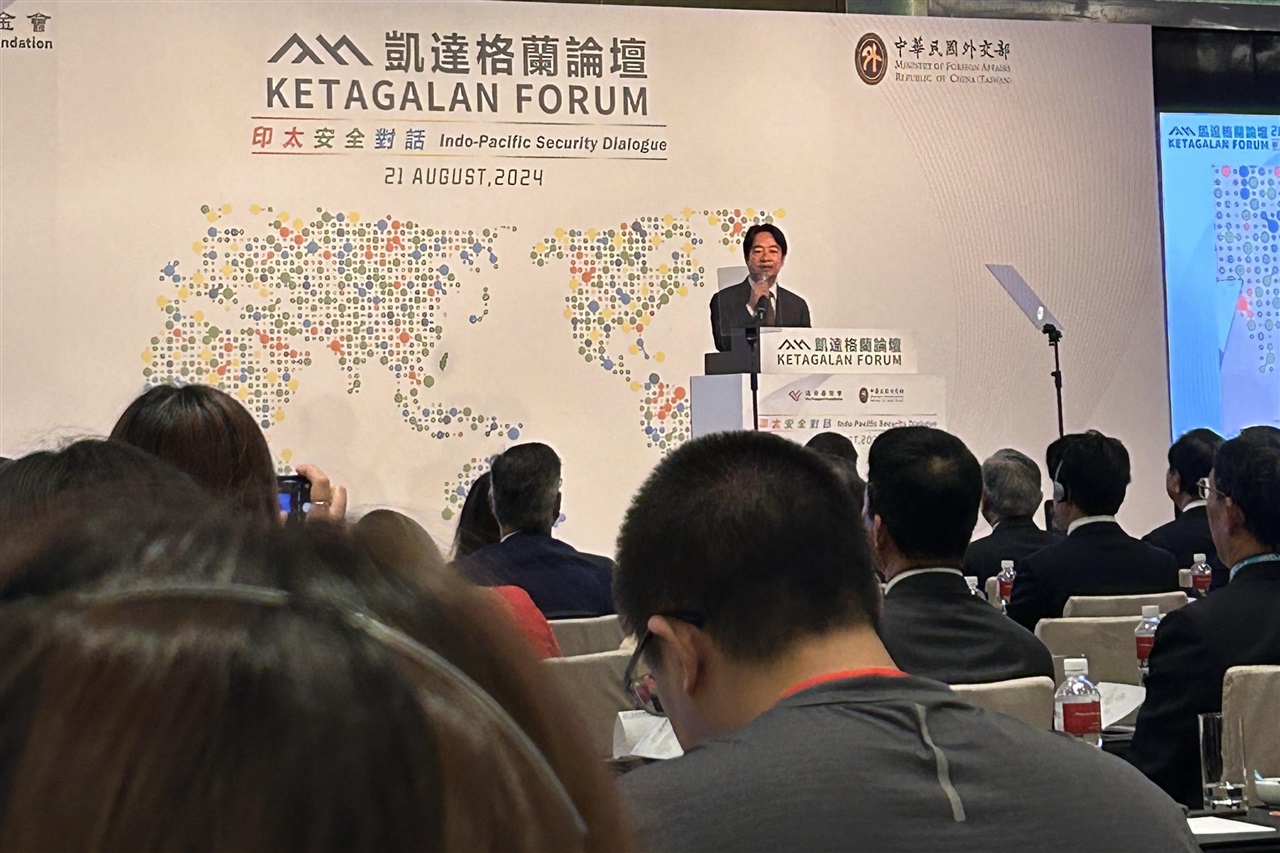
Supply chain resilience has taken center stage in international dialogues as nations across the globe recognize the vulnerabilities exposed by recent geopolitical events and the COVID-19 pandemic. At a critical regional forum focused on Indo-Pacific security, the emphasis was placed on the need for nations to form stronger trade partnerships and to seek strategies for de-risking supply chains.
The call for stronger regional cooperation comes at a time when supply chain disruptions have significant impacts on economies and can cause widespread uncertainty. The proactive approach toward de-risking supply chains involves creating robust frameworks for free trade that can withstand the pressures of global crises, whether they are health-related, geopolitical, or environmental.
In a dedicated effort to safeguard against future disruptions, leaders have been urged to negotiate and solidify free trade agreements with allied countries. These trade partnerships are not only about fostering economic connections but also about building a geopolitical alliance that can work collectively to manage risks more effectively.
A surge in trade agreements, fortified with terms that address supply chain integrity and the ability to swiftly respond to crises, has emerged as a pressing requirement. These measures can act as a stabilizing force in the face of escalating regional tensions and can also offer economies a competitive advantage.
### Practical Steps to Enhancing Supply Chain Resilience
Here are some actionable steps that governments, industries, and corporations can take to reinforce supply chain resilience:
1. **Diversification:**
– Avoid over-reliance on a single source or geography for materials and products. Explore different markets to spread risk.
2. **Investment in Technology:**
– Utilize advanced technologies such as AI and blockchain to increase transparency and real-time tracking within the supply chain.
3. **Building Strategic Stockpiles:**
– Maintain strategic stockpiles of essential goods to buffer against supply shocks.
4. **Capacity Building:**
– Develop local industry capabilities to reduce dependency on imports for critical products.
5. **Collaborative Networks:**
– Form alliances with like-minded countries to share intelligence, resources, and strategies on supply chain security.
6. **Responsive Legislation:**
– Create policies that promote supply chain diversification and provide incentives for domestic production of critical goods.
7. **Supply Chain Education:**
– Invest in educational programs that focus on supply chain management and strategies for resilience.
### Keeping Pace with Trends and Data
It’s important to stay up to date with the latest trends and data concerning international trade and supply chain management. Recent trends indicate a move towards regionalization of supply chains where possible, and an increased emphasis on sustainability within supply chain practices. Understanding these shifts can allow organizations to adapt and even get ahead of the curve.
Applying this information can have tangible benefits in daily life and work. For corporations, this could translate into more robust operations and the ability to better withstand market fluctuations. For consumers, it could mean more stable prices and availability of goods.
A concerted effort to consolidate free trade agreements and fortify international partnerships plays a crucial role in minimizing the risk of supply chain disruptions. It offers a framework through which nations can collectively face challenges and secure the economic and strategic stability of the region. As a result, navigating and implementing such strategies will continue to be a priority for policymakers and business leaders alike, ensuring a resilient future for global trade networks.