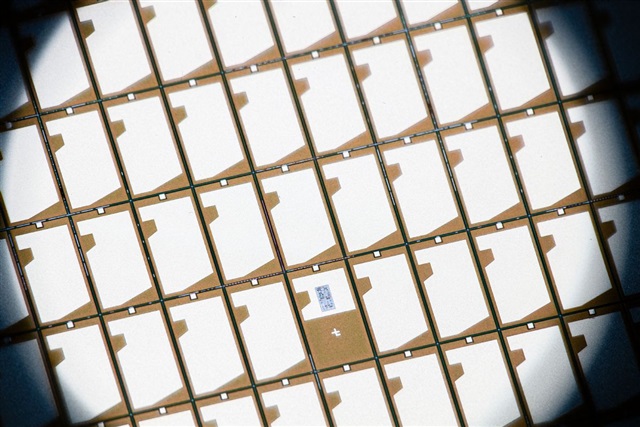
Geopolitics is reshaping the global chip industry, and few companies illustrate this shift more than Wingtech Technology and its core subsidiary Nexperia. As governments tighten rules around critical technologies, the China-based manufacturer and the Netherlands-headquartered semiconductor maker are encountering a thicket of trade barriers that affect everything from sourcing equipment to winning new customers.
Wingtech, a major player in electronics manufacturing and semiconductors, acquired Nexperia to strengthen its position across the chip value chain. Nexperia, known for its power semiconductors, diodes, and analog components widely used in automotive, industrial, and consumer electronics, sits at the heart of Europe’s semiconductor ecosystem. That combination has drawn heightened scrutiny as countries seek to protect supply chains and national security.
What these trade barriers look like
– Export controls and licensing: Multiple jurisdictions have introduced or tightened export rules that can restrict access to advanced manufacturing equipment, design tools, and certain high-performance components. This can extend lead times, complicate sourcing, and slow down product roadmaps.
– Investment screening: Foreign direct investment review regimes in Europe, the United States, and elsewhere increasingly examine acquisitions and ownership structures in sensitive sectors like semiconductors. Deals may be delayed, conditioned, or blocked outright.
– Government procurement rules: Public sector contracts in several markets now include national security or origin-of-technology criteria, which can limit participation by foreign-owned suppliers in certain categories.
– Supply chain transparency and data security requirements: Documentation, traceability, and compliance standards are stricter than ever, raising administrative burdens and auditing demands for global vendors.
– Standards and certification hurdles: New compliance frameworks across regions can require additional testing, certifications, and localization strategies, adding cost and complexity.
Why this matters for the chip supply chain
– Longer development cycles: Licensing needs and export permissions can create bottlenecks, pushing out timelines for new product introductions and node transitions.
– Higher operating costs: Compliance, audits, legal reviews, and diversified sourcing drive up overhead for multinational suppliers and customers alike.
– Customer uncertainty: Automotive and industrial clients—key segments for Nexperia—prize reliability and predictability. Policy shifts can create hesitation around long-term contracts or design-ins if supply risk is perceived to be rising.
– Fragmentation risk: When markets split into distinct regulatory spheres, companies may be forced to duplicate production lines, redesign products, or localize supply chains to maintain access, which reduces economies of scale.
How Wingtech and Nexperia can respond
– Diversify manufacturing and sourcing: Building geographically distributed supply networks, including alternate tool vendors and foundry partners, can reduce single-point exposure to export rules or licensing delays.
– Localize where it counts: Establishing or expanding operations in key markets may help meet local content, security, or resilience requirements and strengthen trust with regional customers.
– Invest in design resilience: Creating product portfolios that are less reliant on tightly controlled technologies and standardizing across interchangeable components can soften the impact of policy changes.
– Enhance compliance operations: Proactive licensing strategies, robust documentation, and early engagement with regulators help keep projects on schedule.
– Deepen customer collaboration: Co-planning with major clients on forecasts, safety stock, and second-source qualifications can maintain delivery commitments during periods of uncertainty.
The broader context behind the trade barriers
Semiconductors now sit at the center of national strategies on economic security, advanced manufacturing, and technological leadership. Policymakers across the US, Europe, and Asia are:
– Tightening controls on advanced chipmaking tools and high-performance semiconductors
– Expanding investment screening focused on critical technology and infrastructure
– Funding domestic manufacturing through incentives while encouraging supply-chain “de-risking”
– Requiring greater transparency across complex, globally distributed component flows
For a global supplier like Nexperia, these trends amplify both the challenges and the stakes. The company’s portfolio is deeply embedded in mainstream electronics, and its footprint in Europe makes it a key contributor to regional manufacturing goals. At the same time, its ownership structure places it under sharper review as governments reassess dependencies in strategic sectors.
What to watch next
– Policy updates across the EU and US: New or revised export controls, expanded FDI screening scope, and supply chain disclosure rules could further influence sourcing and manufacturing plans.
– Industry partnerships: Joint ventures, licensing arrangements, and technology-sharing deals may become more common as firms look to comply while sustaining innovation.
– Customer qualification cycles: Automotive and industrial clients may accelerate efforts to dual-source critical components and qualify alternative suppliers to enhance resilience.
– Capacity planning: Decisions on where to add or upgrade production lines will signal how companies navigate regional requirements and cost pressures.
Bottom line
Wingtech Technology and Nexperia are operating at the crossroads of geopolitics and semiconductors. As trade barriers multiply—from export controls to investment screening—the companies must balance compliance, customer commitments, and long-term innovation. Their response will help determine not only their own competitiveness but also the resilience of critical supply chains in automotive, industrial, and consumer electronics worldwide. For buyers and partners, staying closely aligned on compliance and contingency planning is now as important as price and performance.