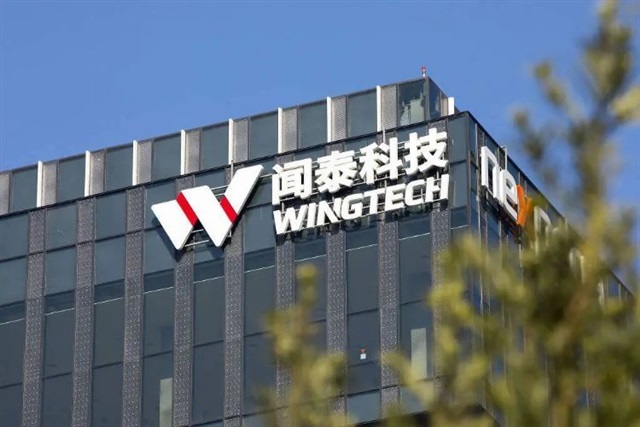
China’s Wingtech Technology is under fresh pressure as turmoil at its Dutch subsidiary, Nexperia, collides with signs that a state-backed shareholder plans to trim its stake. The combination of a leadership and supply chain dispute at Nexperia and an anticipated state investor sell-down is rattling confidence and adding uncertainty at a delicate moment for the global semiconductor sector.
At the heart of the strain is Nexperia, a key European chipmaker owned by Wingtech. The company is reportedly grappling with internal leadership frictions alongside supply chain challenges that could ripple across production schedules and customer deliveries. Any instability at Nexperia matters because it serves a broad base of clients that depend on reliable flows of components. Questions about executive alignment and procurement resilience create operational risk just as the industry works to normalize inventories and rebuild momentum after a turbulent few years.
Compounding the operational worries is the prospect of a share sale by a state-backed holder in Wingtech. Even a measured reduction can weigh on market sentiment, introducing concerns about valuation, governance priorities, and long-term strategic direction. Investors tend to read such moves as signals to reassess risk, particularly when they arrive alongside business friction at a major subsidiary.
Why this matters now
– Semiconductors remain central to everything from smartphones and data centers to cars and industrial equipment. Any disruption at a large supplier can cascade across multiple end markets.
– Europe’s chip ecosystem is navigating tighter scrutiny, evolving trade dynamics, and ongoing supply chain reconfiguration. Uncertainty around leadership and logistics at a prominent Dutch operation adds another layer of complexity.
– Ownership changes or stake reductions by state-linked investors often prompt questions about future capital commitments, strategic patience, and the potential for shifts in corporate priorities.
What could be at stake for Wingtech and Nexperia
– Operations and delivery: Leadership disputes and supply issues can slow decision-making, complicate procurement, and challenge on-time delivery—a risk for customers who prize consistency.
– Customer relationships: Clients may push for contingency planning, dual sourcing, or revised delivery terms if they perceive rising execution risk.
– Financial performance: Margin pressure can build when companies must expedite logistics, adjust supplier mixes, or navigate production bottlenecks.
– Market perception: A state-backed shareholder trimming exposure—whether for portfolio management or policy reasons—may add volatility and invite closer scrutiny of governance and strategy.
– Regulatory attention: European operations in sensitive sectors routinely face oversight; organizational turbulence can attract additional questions about compliance and long-term commitments.
Context on the companies
Wingtech has positioned itself as a vertically integrated player in electronics and semiconductors, with Nexperia serving as a cornerstone of its component portfolio in Europe. Nexperia’s role as a high-volume supplier makes stability and predictable output essential. Any internal discord or supply chain setbacks therefore resonate beyond the walls of a single factory or region.
What to watch next
– Leadership clarity at Nexperia: Clear lines of authority, a cohesive management stance, and a roadmap for resolving any internal disputes would be the fastest way to restore confidence.
– Supply chain normalization: Concrete steps to diversify suppliers, secure critical inputs, and streamline logistics will be key signals that operational risk is receding.
– Details of the stake reduction: The size, timing, and method of any state-backed sell-down could influence market reaction. A gradual, transparent process typically dampens volatility.
– Customer communications: Updates to delivery guidance, lead times, and allocation policies will illuminate the real-world impact on buyers.
– Policy environment: Developments in Europe–China trade relations, export controls, and local industrial policies could shape the strategic leeway for both Wingtech and Nexperia.
The bottom line
Wingtech faces a challenging juncture: resolving workplace and supply issues at a major European subsidiary while managing the perception and market effects of an investor stepping back. For stakeholders, the most reassuring signals would be swift governance clarity at Nexperia, visible progress on supply chain resilience, and a measured, well-telegraphed approach to any stake reduction. Until those arrive, expect elevated scrutiny, cautious customers, and a market inclined to price in execution risk.
Key takeaways for readers
– Wingtech’s outlook is clouded by two simultaneous pressures: operational strain at Nexperia and the likelihood of a state-backed shareholder reducing its stake.
– Stabilizing leadership and securing component flows are immediate priorities to protect customer trust and financial performance.
– Transparent communication and disciplined execution will determine how quickly confidence returns in one of the semiconductor industry’s closely watched cross-border stories.