AMD Zen 7 leak teases huge caches, hybrid-core laptops, and big efficiency gains
A new wave of Zen 7 rumors paints a bold picture of AMD’s next-gen architecture across desktops, laptops, and servers. The latest info builds on earlier whispers about the roadmap, process nodes, and core configurations, while adding more detail on cache sizes, hybrid designs, and performance targets.
Process nodes and timing
– Earlier expectations that Zen 6’s CCDs would ride TSMC’s N2X now look unlikely, with updated timelines pushing N2X mass production to 2027. Zen 6 is instead expected to pivot to N2P.
– Zen 7 reportedly moves to TSMC’s advanced A14 node, slated to enter high-volume manufacturing in 2028, placing Zen 7 product launches around the back half of the decade.
Desktop: Grimlock Ridge, bigger caches, and a path to 32 cores
Under the Grimlock banner, AMD is said to be preparing two Zen 7 chiplets for desktops and servers:
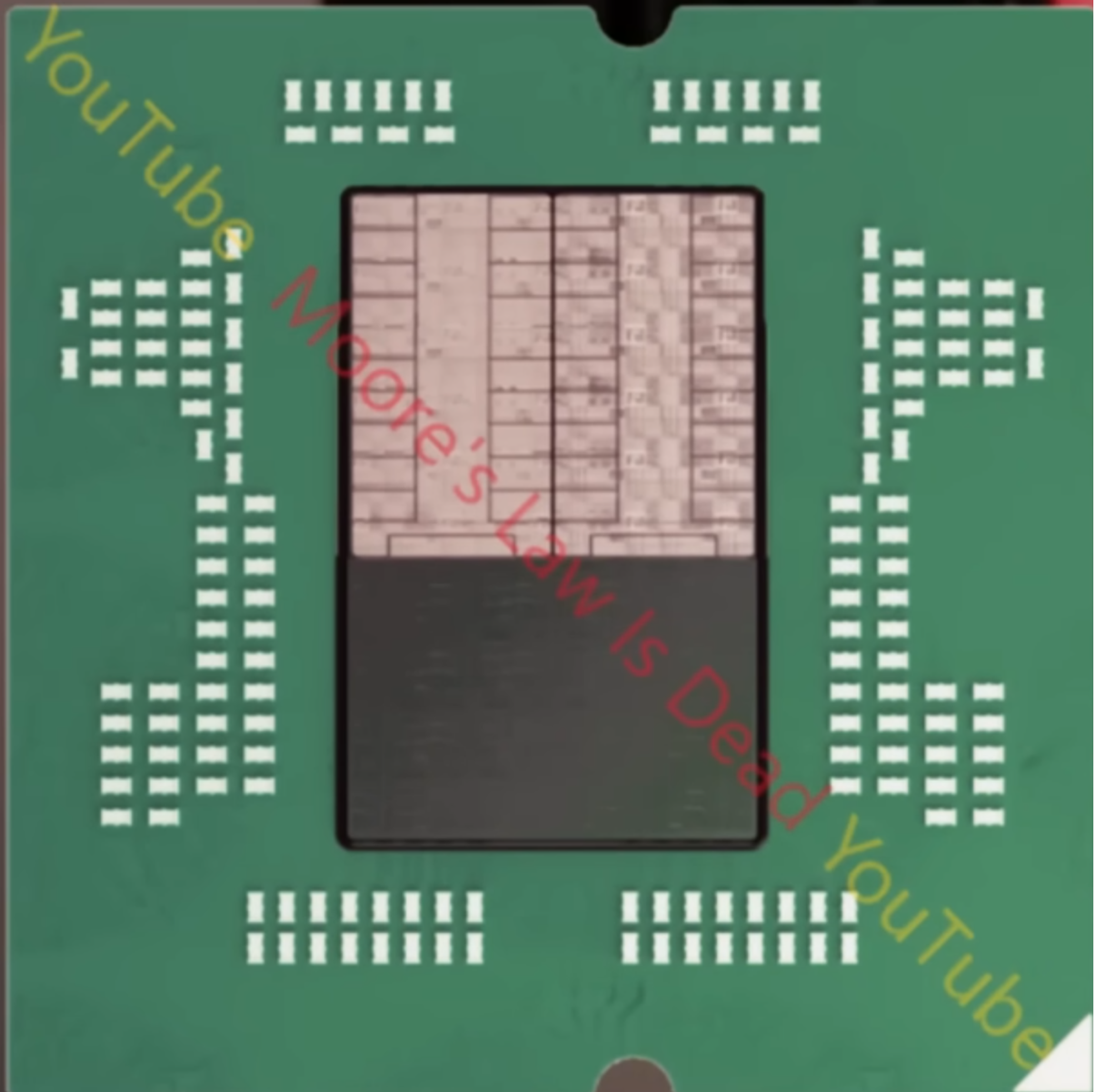
– Silverton: 16 Zen 7 cores, 32 MB L2, 64 MB L3 per CCD, plus support for a 160 MB 3D V-Cache tile per CCD. This die is expected to power EPYC and high-end Ryzen 13,000-series parts.
– A cut-down 8-core variant (internally referenced as Silverking) with 16 MB L2, 32 MB L3, and no 3D V-Cache support.
Like Zen 6, Zen 7 reportedly supports two CCDs per package. If a consumer dual-CCD product appears with the 16-core die, that would mean up to 32 cores and as much as 448 MB of 3D-stacked cache on a flagship desktop CPU. A teased example is a possible Ryzen 9 9950X3D2 arriving as soon as next year, though that would precede Zen 7 and serve more as a showcase for AMD’s multi-CCD and cache strategy.
Laptops: Grimlock Point and Grimlock Halo go hybrid
Zen 7 mobile platforms lean into hybrid configurations that mix high-performance and dense cores, with a sprinkle of ultra-low-power helpers:
– Grimlock Point: 4 Zen 7 “Classic” cores paired with 8 Zen 7C “Dense” cores, plus an unspecified number of Zen 7 Low-Power cores.
– Grimlock Halo: 8 Zen 7 cores plus 12 Zen 7C cores, again with additional Low-Power cores on tap. This is positioned as a successor to the current Halo-class performance designs.
Performance targets
Desktop claims focus on meaningful gains in real work, with measured IPC progress and massive multi-core scaling:
– 16–20% uplift in non-gaming workloads versus Zen 6
– Around 8% IPC increase (figure not final)
– Up to 20% higher single-thread performance
– Up to 67% higher multi-core performance
On mobile, efficiency is the headline, with performance-per-watt improvements that could transform thin-and-light notebooks and handheld gaming devices:
– Up to 36% at 3W
– Up to 32% at 7W
– Up to 25% at 12W
– Up to 17% at 22W
These gains are expected to trickle down to future chips such as a potential Ryzen Z4 Extreme, giving OEMs more headroom and longer battery life while boosting sustained performance in compact designs.
What it all means
If these leaks hold, Zen 7 looks set to push AMD’s leadership in three directions at once:
– Bigger and smarter cache architectures to supercharge latency-sensitive and gaming workloads
– Hybrid-core laptop designs that blend performance, density, and ultra-low-power cores
– A long-term node transition to TSMC A14, aligning with a late-decade rollout
As always with early architecture leaks, details can shift as products move toward mass production. But the direction is clear: more cores, more cache, smarter hybrids, and better efficiency across the stack. For enthusiasts, creators, and mobile gamers, that’s a compelling mix to watch as Zen 6 lands and the Zen 7 era draws closer.