Microsoft Surface Laptop Ultra specs revealed: Nvidia RTX Spark power, mini-LED display, replaceable SSD, and a bigger trackpad
Microsoft has shared a much clearer look at the Surface Laptop Ultra, its new premium Windows 11 laptop built around Nvidia’s RTX Spark platform. The device appears designed for creators, developers, AI workloads, and anyone who wants workstation-class performance in a slim portable machine.
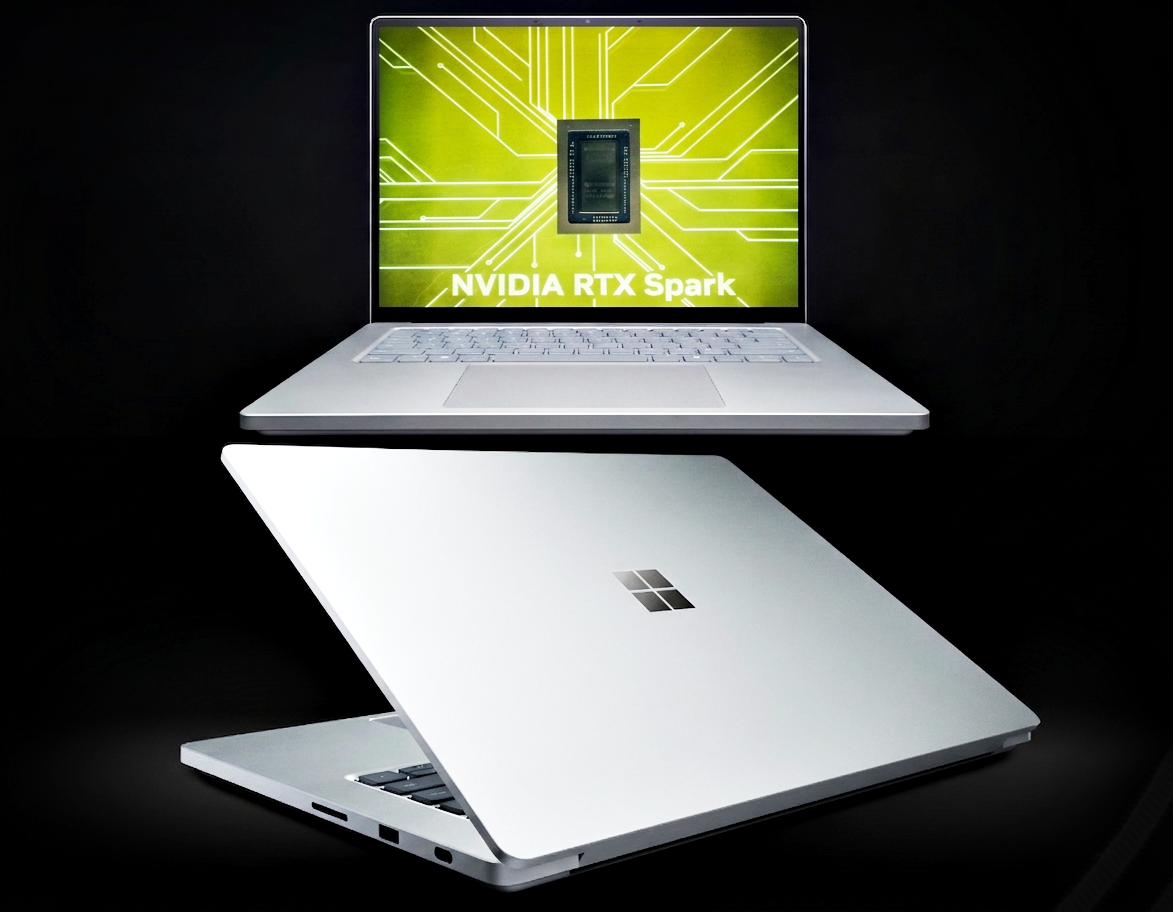
The Surface Laptop Ultra is shaping up to be one of Microsoft’s most ambitious laptops yet. It combines a 15-inch mini-LED touchscreen, up to 128GB of unified memory, a larger haptic trackpad, a user-replaceable SSD, and a surprisingly broad port selection. Microsoft is also introducing a new USB-C-style port on the device, though the company has not yet explained exactly what it does.
At the center of the Surface Laptop Ultra is the Nvidia RTX Spark platform. This chip setup pairs an efficient CPU with RTX graphics designed to accelerate demanding local tasks, including AI processing, creative workloads, and large model inference. Microsoft says the system can deliver up to one petaflop of AI compute, making it clear that this laptop is being positioned for the growing market of on-device artificial intelligence.
The biggest advantage of this approach is that users may be able to run larger AI models and datasets directly on the laptop instead of relying heavily on cloud services. That could mean faster response times, better privacy, and improved performance for workflows such as coding, content creation, data analysis, 3D rendering, and generative AI tasks.
Memory is another major highlight. The Surface Laptop Ultra supports up to 128GB of unified memory, giving it the kind of headroom typically expected from high-end creative machines and mobile workstations. For professionals working with large files, complex timelines, machine learning models, or heavy multitasking, that memory ceiling could make a noticeable difference.
Microsoft also appears to have paid close attention to cooling. Previous Surface laptops have sometimes faced criticism for thermal limitations under sustained workloads. With the Surface Laptop Ultra, Microsoft says the new thermal system offers up to 2.5 times the cooling capacity of the 15-inch Surface Laptop 7th Edition. That upgrade should help the RTX Spark hardware maintain higher performance for longer sessions, especially during AI processing, video editing, or graphics-heavy work.
The display is one of the most premium parts of the device. The Surface Laptop Ultra features a 15-inch mini-LED PixelSense Ultra touchscreen with a 3:2 aspect ratio. The panel reaches 262 pixels per inch and can hit up to 2,000 nits of peak HDR brightness. That makes it especially appealing for photographers, video editors, designers, and anyone who wants a sharp, bright screen with strong contrast.
The 3:2 aspect ratio remains one of the most practical choices for productivity. It gives users more vertical space than traditional 16:9 displays, which is useful for writing, coding, browsing, editing documents, and working with creative apps. Combined with mini-LED technology and high HDR brightness, the Surface Laptop Ultra looks set to offer one of the best displays in the Windows laptop category.
Despite the powerful hardware, Microsoft has kept the design relatively portable. The chassis is under 18mm thick and weighs less than 4.5 pounds, or around 2 kg. That places it in the same general weight class as other large premium laptops built for creators and professionals.
The Surface Laptop Ultra will be available in two colors: Platinum and Nightfall. Platinum continues Microsoft’s familiar bright silver look, while Nightfall offers a darker gray finish for users who prefer a more subdued style.
Connectivity is another area where Microsoft seems to be addressing professional needs. The laptop includes three USB-C ports, one USB-A port, HDMI, a headphone jack, and a full-size SD card reader. The inclusion of an SD card reader is especially important for photographers and video creators who regularly transfer media from cameras.
The most intriguing detail is the extra USB-C-style port on the right side. Microsoft has not yet explained its purpose, which has led to speculation that it may be tied to charging, docking, or a new accessory system. For now, it remains one of the more mysterious parts of the Surface Laptop Ultra’s design.
Another major improvement is the touchpad. Microsoft says the haptic trackpad is more than 30% larger than the one found on the previous 15-inch Surface Laptop model. A larger trackpad should make gestures, navigation, and creative workflows more comfortable, especially for users who often work without a mouse.
Repairability is also getting a meaningful upgrade. The Surface Laptop Ultra includes a user-replaceable SSD, which is still uncommon among many premium thin-and-light laptops. Microsoft is also adding internal guidance features to help with repairs using official parts. This shift suggests the company is trying to make the device easier to maintain over time, which could appeal to businesses, professionals, and long-term Surface users.
For security, Windows Hello facial recognition is included, allowing users to sign in quickly without typing a password.
Overall, the Surface Laptop Ultra looks like Microsoft’s strongest attempt yet to create a true high-performance Windows laptop for professionals. With Nvidia RTX Spark hardware, up to 128GB of unified memory, a bright mini-LED touchscreen, improved thermals, a larger haptic trackpad, broad connectivity, and a replaceable SSD, it is clearly aimed at users who need more than a standard productivity notebook.
Microsoft has not yet confirmed pricing, launch date, or the full range of configurations. More details are expected later, with availability likely to follow in the fall. If the final performance matches the specifications, the Surface Laptop Ultra could become one of the most important Windows laptops of the year.