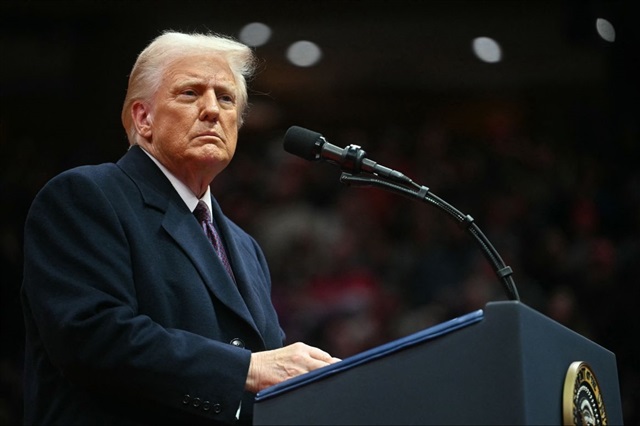
In the bustling political climate of President Donald Trump’s second term, his administration’s ambitious reforms and fiscal strategies are swiftly taking center stage. Surpassing the promises made during his campaign, the changes being implemented under Trump 2.0 are significant and far-reaching.
Spearheading a major reform drive is the newly-established “Department of Government Efficiency,” or DOGE, with the innovative Elon Musk at the helm. This department is focusing on streamlining operations across the board, aiming to eliminate waste and enhance governmental productivity.
Adding to these sweeping changes is the recent passing of a comprehensive tax reduction and spending cut bill. This legislation narrowly passed in the House of Representatives, but its passage marks a major victory for the administration. The bill is seen as a cornerstone in shifting the nation’s fiscal landscape, promoting economic growth through lower taxes and reduced public spending.
The brisk pace with which these initiatives have been rolled out is noteworthy. Each reform appears meticulously crafted to bolster economic strength while trimming administrative fat, highlighting a strategic approach to governance that commands attention. As the effects of these measures begin to unfold, the profound impact on the country’s economic framework becomes increasingly evident.
The Trump administration’s bold steps are painting a dynamic picture of governance, fostering engagement from both supporters and critics alike, and setting a robust foundation for the years ahead.