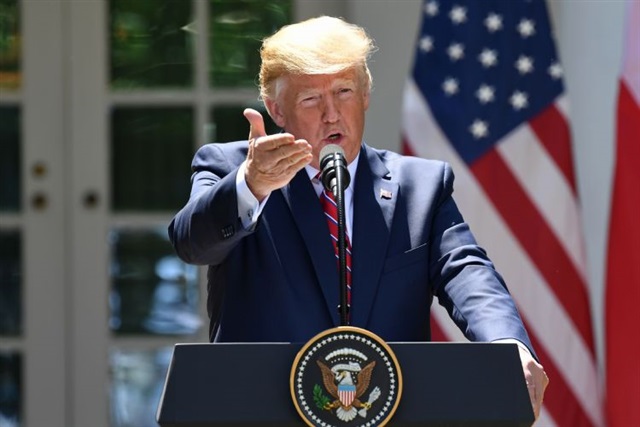
### Trump’s Possible Second Term: Implications for Green Energy and Global Trade
In the current political climate, the potential for a second term under former President Donald Trump holds significant implications for various sectors, including green energy and global trade. The direction the United States may take under such leadership could profoundly impact domestic and international economic landscapes.
#### Impact on Green Energy
Renewable energy has been on an upward trajectory globally, with many countries investing in greener initiatives to combat climate change. However, if Trump were to return to office, there’s a risk that this progress could be undermined.
A Trump administration may reprioritize traditional energy sources such as coal, oil, and natural gas, possibly reducing federal support for renewable energy projects. To understand the gravity of this potential shift, it is crucial to examine previous policies and statements. During his first term, Trump voiced skepticism about climate change and rolled back several environmental protections. A re-election could result in similar policy reversals and decreased funding for sustainability projects.
For those in the renewable energy industry, the prospect of a second Trump presidency suggests the need for strategic planning. Companies and investors might consider diversifying their portfolios or strengthening state and local alliances to safeguard against potential federal policy changes.
#### Global Trade Dynamics
Another sector poised for uncertainty under a second Trump administration is global trade. Trump’s initial tenure was marked by the introduction of tariffs and a more aggressive stance on trade negotiations, which disrupted international trade relationships, particularly with China and the European Union.
The prospect of heightened tariffs is a real concern for importers, exporters, and consumers alike. Businesses could face increased costs, which might lead to higher prices for consumers. This scenario requires businesses to rethink their supply chains, possibly sourcing products domestically or from countries with more stable trade relations.
For international relations, the prospect of Trump’s return could signal a return to an era of economic nationalism. Countries might seek to bolster their internal markets and establish trade partnerships that could withstand unilateral tariffs and trade barriers.
### Looking Ahead: Preparing for Change
It is essential for industry leaders, policy analysts, and engaged citizens to closely monitor the political landscape and prepare for the potential implications of a Trump second term on green energy and global trade.
In the realm of renewable energy, stakeholders should advocate for sustainable practices at all levels of government and invest in research and development to make green technology more cost-competitive, thereby insulating it from shifting political winds.
In terms of global trade, diversification and flexibility are key. Businesses must remain agile, adapting their strategies to navigate the complexities of an unpredictable trade environment. This might include investing in local supply chains or exploring emerging markets.
Moreover, staying informed about the latest trends and policy proposals could allow stakeholders to anticipate changes and position themselves accordingly. Developing contingency plans and advocating for policies that support a stable trade and environmental landscape are prudent measures.
In conclusion, the future remains uncertain, but by embracing proactivity and preparedness, sectors at risk can navigate potential threats posed by political shifts, ensuring resilience in the face of changing administrations. The key is staying ahead of the game with informed decisions and forward-thinking strategies.