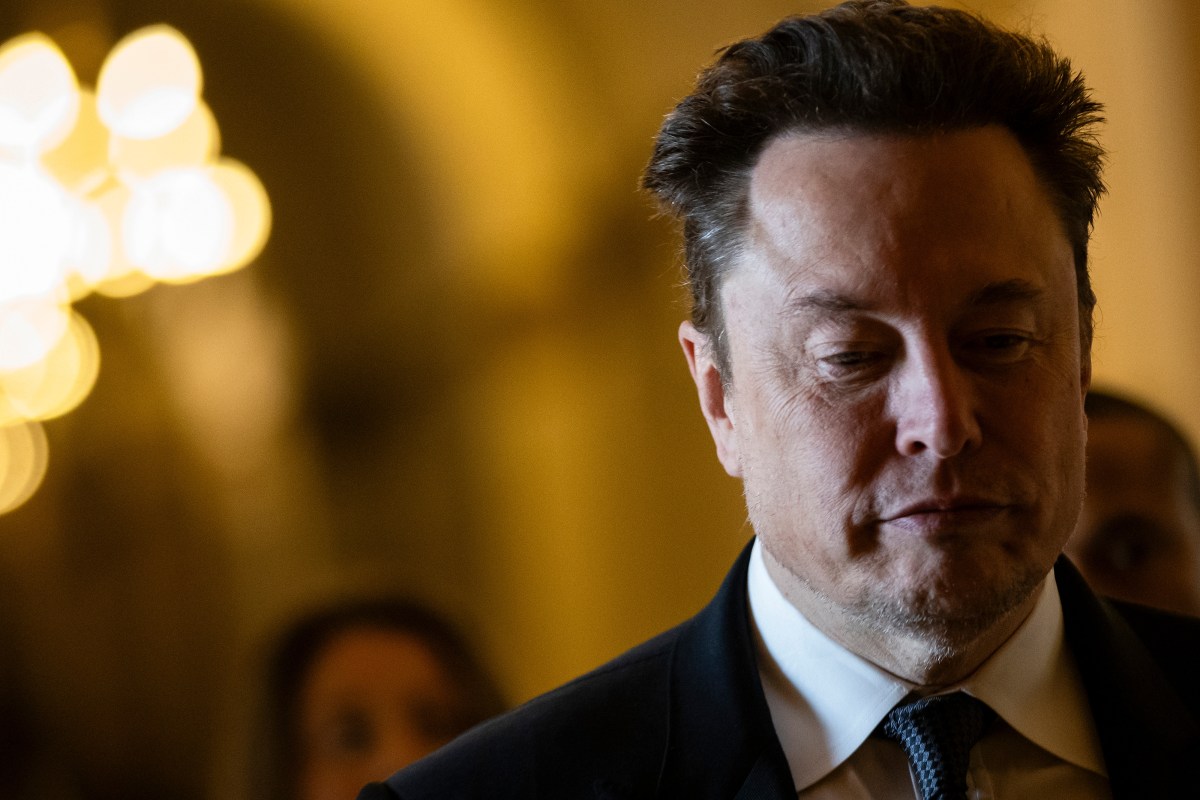
Elon Musk, the world’s wealthiest individual, has acquired one of the most influential social media platforms and transformed it into a controversial hub of political propaganda favoring a presidential candidate. This raises many concerns about the implications of such power.
According to the Center for Countering Digital Hate (CCDH), a nonprofit group that scrutinizes misinformation, Musk has disseminated at least 87 statements about the U.S. election on his platform, X, which have been flagged by fact-checkers as either false or misleading. These questionable posts have amassed more than 2 billion views.
Musk’s influence on the platform extends beyond his substantial follower count of 203 million, as insiders suggest he has manipulated the algorithms to prioritize his posts. His financial involvement further fuels the speculation; he has contributed more than $118 million to a super PAC backing former President Donald Trump’s re-election campaign, making him the largest donor. This PAC has been actively engaged in a misleading advertising crusade targeting registered Republicans with exaggerated depictions of Democratic policies.
Recent weeks witnessed this PAC significantly ramping up its Facebook ad investments, with expenditures spiking by 1,000%. While Facebook has responded by imposing restrictions on political ads, X remains a vibrant channel for such content.
Users of the platform are regularly exposed to the influx of political messages from Musk, many of which support Trump and align with far-right ideologies. CCDH highlights that Musk’s political endorsements since July have generated more than 17.1 billion views—a number that eclipses all political ads combined during the same time frame. This level of exposure would equate to an expenditure of $24 million in traditional campaign advertising.
Between July and late October, researchers pinpointed 746 posts by Musk related to the election, referencing figures like Donald Trump and Kamala Harris, as well as topics such as voting and ballots. These findings draw from publicly accessible data on Musk’s contributions and the strategic promotion of ads on the platform.
One notable example of Musk’s misleading assertions involved claims about substantial increases of undocumented individuals in key states, described as “voter importation at an unprecedented scale,” which drew 21 million views. Another post falsely alleged that if Democrats prevailed, they would outlaw voter ID nationwide, attracting close to 12 million views.
Musk’s commentary on allegedly “importing voters” gained nearly 1.3 billion views, and his posts concerning the reliability of voting systems reached 532 million views. However, the reality is that there is scant evidence to support such claims, as voter fraud remains infrequent in the U.S. due to stringent verification protocols.
CCDH, not new to Musk’s ire, has faced backlash, with Musk labeling the organization as a “criminal organization.” Despite such criticism, CCDH continues to assert that since Musk’s acquisition, the platform has descended into a realm filled with falsehoods and hostility. Musk argues that X’s Community Notes feature provides a means for users to fact-check posts, but critics like Ahmed from CCDH see it as insufficient.
Imran Ahmed expressed concerns about Musk’s approach, labeling it ineffective in addressing the misinformation crisis. Furthermore, he raised concerns about the potential for generative AI to exacerbate the problem by producing and disseminating false information at negligible costs, turning it into a “perpetual misinformation machine.”
This complex situation demonstrates the challenges of navigating misinformation in the digital age, particularly when powerful individuals wield significant influence over such platforms. As the landscape evolves, questions about the balance between free speech and misinformation remain more relevant than ever.