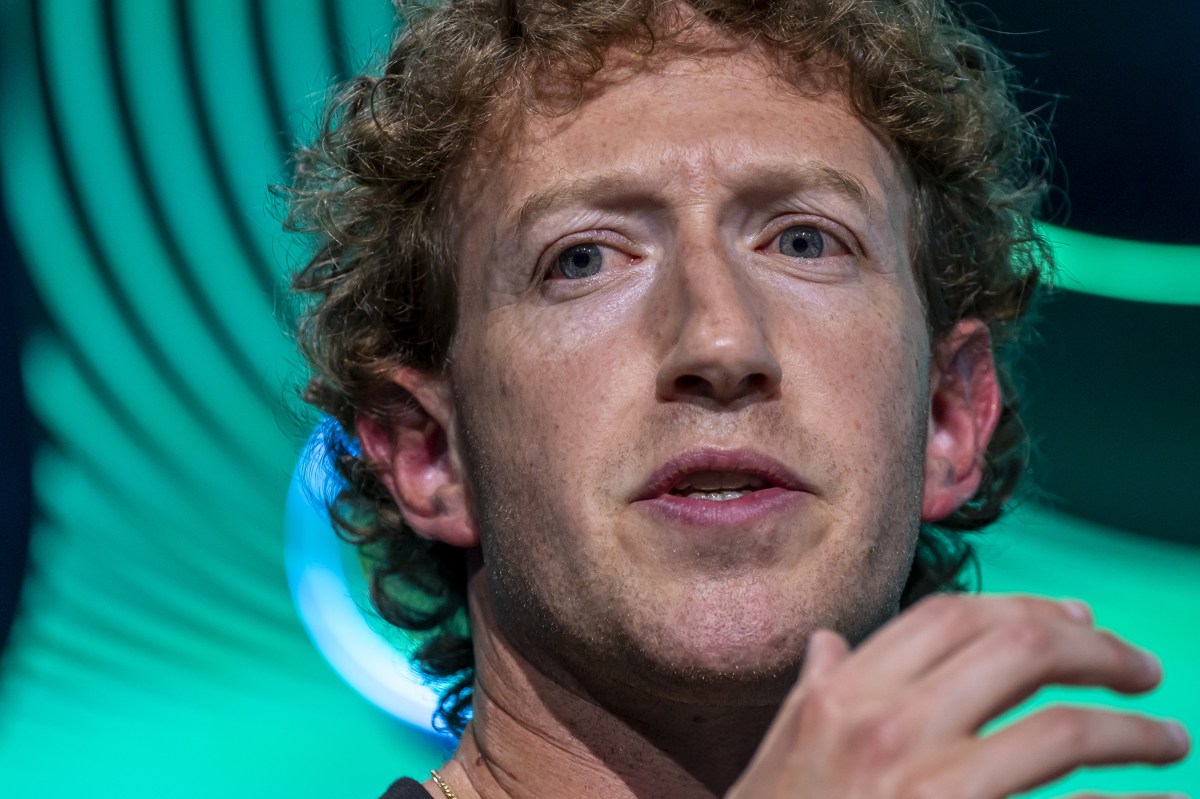
Recent Google searches reveal a surge in interest among U.S. users for information on how to cancel and delete their Facebook, Instagram, and Threads accounts. This increase follows an announcement by Meta CEO Mark Zuckerberg that the company will end its third-party fact-checking system and ease content moderation policies. Additionally, Meta plans to revert previous restrictions on political content in user feeds.
Industry analysts interpret these changes as efforts to appease the upcoming Trump administration, potentially avoiding political repercussions. However, the rollback could lead to increased dissemination of controversial posts, hate speech, and misinformation on Meta’s platforms.
The reaction has been prompt, with searches related to leaving Meta platforms skyrocketing recently. Terms like “how to permanently delete Facebook” have reached peak interest on Google Trends. The trend is accompanied by a notable rise in searches for phrases such as “how to delete all photos Facebook,” “alternative to Facebook,” “how to quit Facebook,” and “how to delete Instagram account without logging in,” showing an increase in popularity by over 5,000%.
The surge highlights public discontent with Meta’s decision to loosen safeguards against harmful speech and contentious political content. These policies were originally implemented to combat the spread of misinformation and violent rhetoric that have had tangible negative impacts, like the January 6 Capitol insurrection, driven by calls for violence on Facebook and Instagram. Internal Meta documents revealed shortcomings in managing politically charged content and curbing dangerous movements like “Stop the Steal.”
Moreover, Meta has acknowledged that its platforms played a role in instigating violence in Myanmar, where the ruling military committed atrocities against the Rohingya population.
Back in 2021, Zuckerberg stressed the importance of minimizing political and combative content on Meta’s services, leading the company to diminish its focus on political discourse. The decision last year to stop recommending political content on platforms like Instagram and Threads was met with mixed reactions. However, Meta is now reintroducing more political content to users’ feeds.
Zuckerberg justifies the new approach as a move to enhance free expression on Meta’s platforms, echoing sentiments previously expressed by Elon Musk. The CEO has announced the adoption of a “community notes” system to replace third-party fact-checking, allowing users to flag posts they believe need additional context—similar to Musk’s platform X.
Simultaneously, Google searches for “Facebook alternatives” have soared, along with increased interest in decentralized social media platforms like Bluesky and Mastodon. These platforms have gained traction following Elon Musk’s acquisition of Twitter and its rebranding as X.
Mastodon CEO Eugen Rochko criticized Meta’s policy changes, describing them as alarming. He also emphasized that Mastodon will monitor users who cross-post from Threads to ensure compliance with its policies against hate speech.


