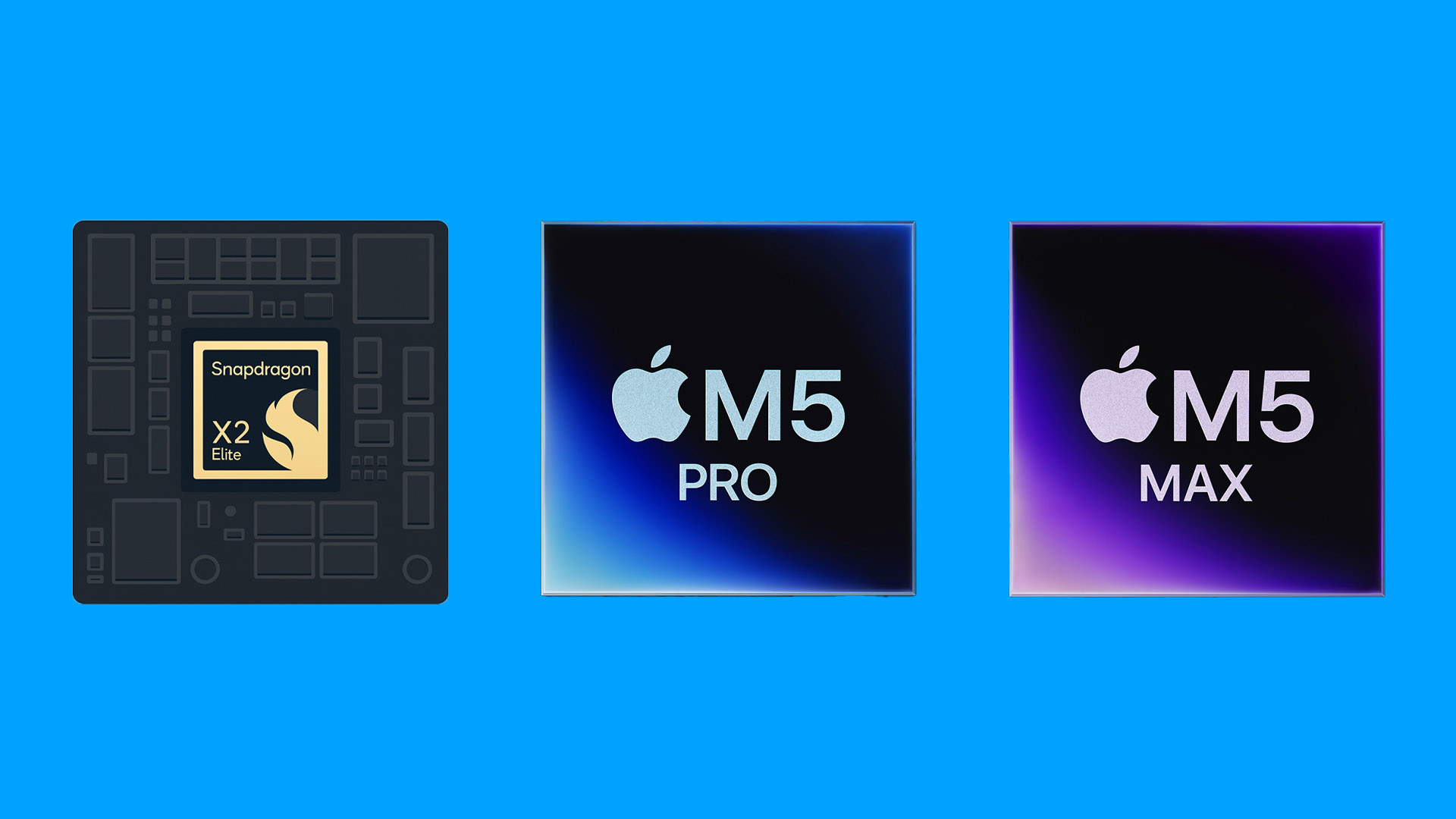
Qualcomm is pushing harder into high-performance Windows laptops with its Snapdragon X2 Elite Extreme, introducing third-generation Oryon CPU cores and scaling up to an eye-catching 18-core design. On paper, that sounds like the kind of upgrade that could shift the balance for Windows-on-Arm machines—especially in workloads that reward lots of cores. But when the latest benchmark results are placed next to Apple’s newest silicon, the gap is still hard to ignore.
In Geekbench 6 testing, the Snapdragon X2 Elite Extreme appeared in an upcoming ASUS Zenbook 16 configuration and delivered a single-core score of 4,033 and a multi-core score of 23,198. Those numbers represent a noticeable uplift over the earlier Snapdragon X Elite generation and show Qualcomm is moving in the right direction for both single-threaded responsiveness and multi-threaded performance.
The problem is what happens when Apple’s latest chips enter the comparison. In the same Geekbench 6 baseline, Apple’s M5 Pro and M5 Max—both using 18-core CPUs—come out clearly ahead, leading by up to 26% depending on the test. Even more telling, Apple’s older M4 Max (with a 16-core CPU) still edges out Qualcomm’s newer 18-core flagship.
Apple M5 Pro (18-core CPU)
Single-core: 4,242 (about 5.2% faster)
Multi-core: 28,111 (about 21.2% faster)
Apple M5 Max (18-core CPU)
Single-core: 4,268 (about 5.8% faster)
Multi-core: 29,233 (about 26% faster)
Apple M4 Max (16-core CPU)
Single-core: 4,049 (about 0.4% faster)
Multi-core: 26,509 (about 14.27% faster)
What these results highlight is a familiar theme in the CPU world: core counts alone don’t guarantee leadership. Qualcomm’s move to third-generation Oryon cores and an 18-core layout is a major step, but Apple’s Apple Silicon platform continues to show stronger performance at the top end—especially in multi-core workloads where the M5 Pro and M5 Max open up a sizable lead.
That said, context matters. This is only Qualcomm’s second laptop-focused generation using fully custom CPU cores, while Apple has been refining its in-house silicon approach for years across multiple iterations. Qualcomm is clearly improving—its latest results show forward momentum—but if the goal is to compete head-to-head with Apple’s Pro and Max-tier chips, it may take a couple more releases before the race looks truly even.
For buyers comparing premium laptops, these benchmark numbers suggest that Snapdragon X2 Elite Extreme-powered Windows machines may deliver strong gains versus earlier Snapdragon laptops, but Apple’s M5 Pro and M5 Max currently hold the clearer advantage in both single-core and multi-core performance, with even the prior-generation M4 Max still ahead in this particular comparison.