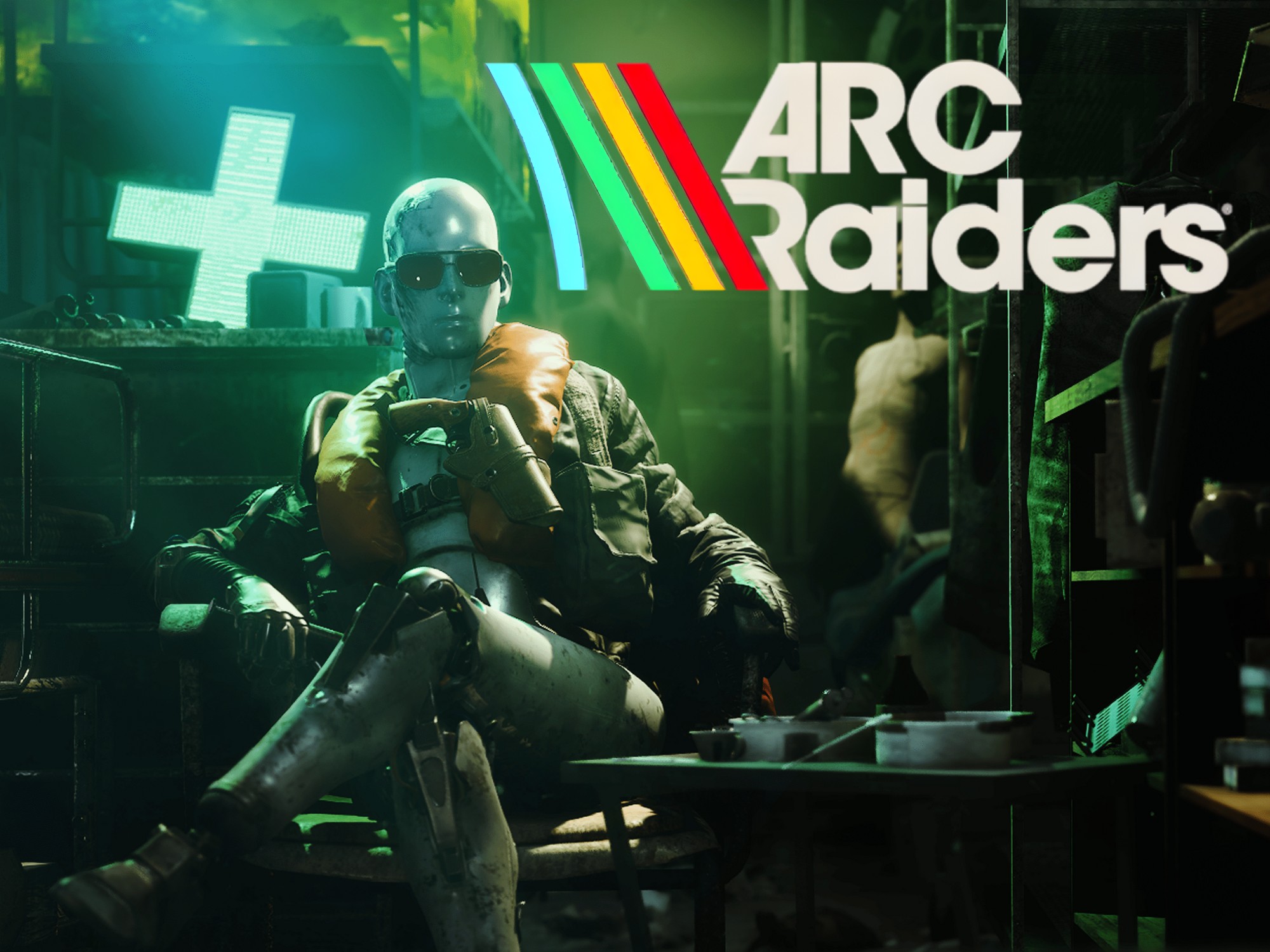
Arc Raiders is off to a strong start. Embark Studios’ free-to-play extraction shooter is drawing more players than expected and has secured broadly positive critical reception, including an impressive 84 on Metacritic. But one outlier review has ignited a fierce debate about generative AI in games, casting a shadow over the early buzz.
The low score comes from Eurogamer, which awarded Arc Raiders a 2 out of 5. The critique centers on the game’s use of text-to-speech for its ping system and certain in-game call-outs, where synthetic voices stand in for human performances. Embark has said the choice was driven by limited resources and that AI-generated lines are meant to supplement recorded dialogue rather than replace it. Chief Creative Officer Stefan Strandberg has also argued that the implementation doesn’t qualify as generative AI in the way many people use the term. Not everyone agrees, and the distinction has become a flashpoint.
According to the review, the synthesized lines sound noticeably off compared to the recorded ones, and that mismatch can break immersion. The criticism goes further, pointing out a thematic clash: in a world where robotic Arc machines suppress humanity, populating traders and other characters with machine-generated speech can feel tone-deaf.
Because Arc Raiders encourages squad chatter and casual communication, the robotic edge of TTS can stand out even more during cooperative play. On the other hand, the game’s use of AI to help enemies react more dynamically to players is framed as a familiar technique in game development and drew less concern from the reviewer.
Player reaction has been predictably split. On Reddit and across forums, some argue the AI voice work is minor and doesn’t meaningfully affect the experience, especially given the game’s strengths elsewhere. Others believe any use of generative tools in place of human performers should influence review scores. The disagreement taps into a larger industry conversation: as more studios experiment with AI for voice lines, systemic behaviors, and production workflows, critics and audiences alike will need to decide where they stand—and how much these choices should impact a game’s final verdict.
For now, Arc Raiders remains a striking case study. Strong player numbers and high marks suggest the core gameplay is resonating, while the lone negative review underscores a growing tension around how AI is used in modern games. Whether this controversy fades or reshapes how developers approach voice and narrative polish could define more than just this launch.