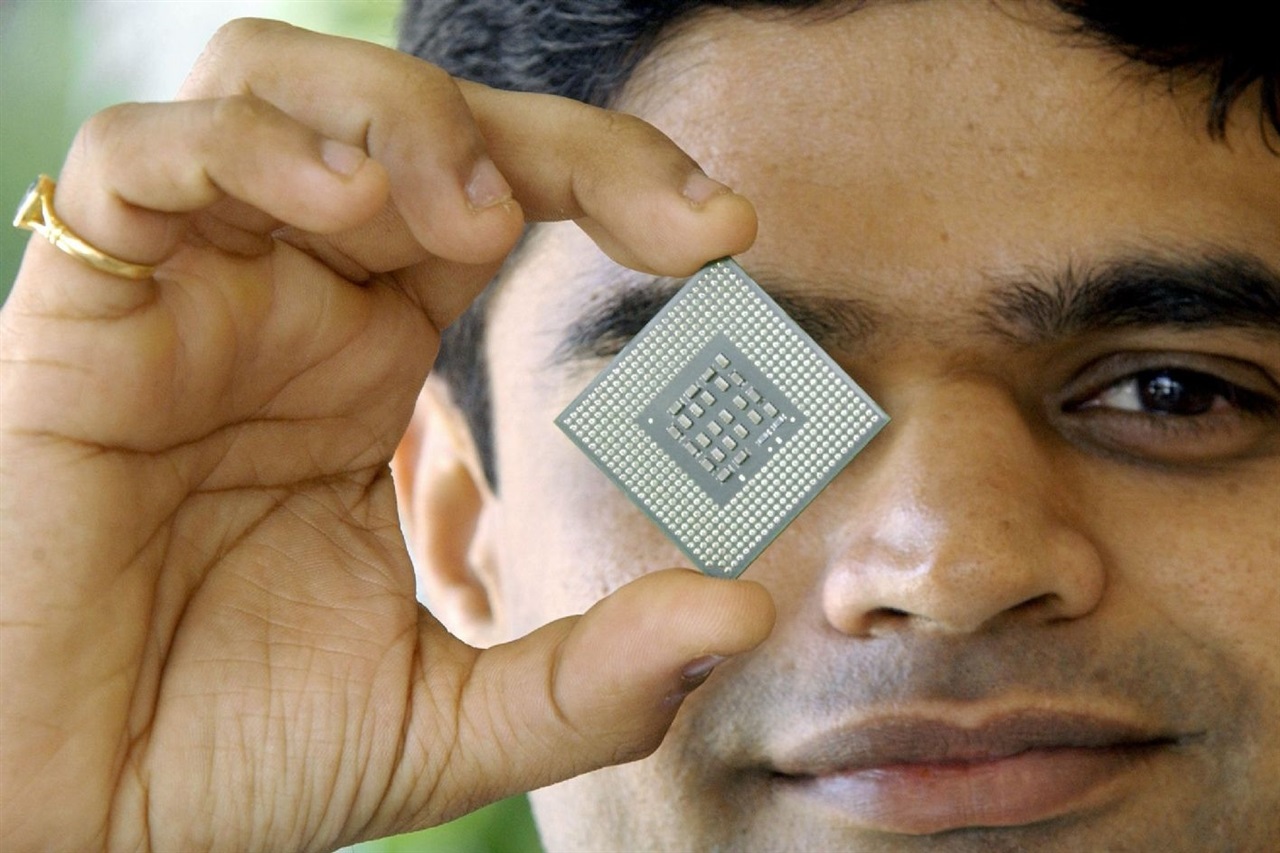
Microchip Technology and Qualcomm are doubling down on Bengaluru, expanding their presence in India’s premier semiconductor and technology hub. Their move adds fresh momentum to a broader wave of global chip investments flowing into the country and underscores Bengaluru’s growing clout in chip design, R&D, and advanced electronics.
This deepening commitment from two of the world’s most influential semiconductor players signals confidence in India’s talent-rich ecosystem and the city’s established leadership in embedded systems, wireless technologies, and system-on-chip development. While details of the expansions were not disclosed, the direction is clear: Bengaluru is cementing its role as a strategic base for next‑gen chip innovation.
Why Bengaluru is at the center of India’s chip rise
– Deep engineering talent: Bengaluru boasts one of the largest pools of semiconductor design and software engineers in Asia, skilled in everything from RTL and verification to firmware, AI, and 5G.
– Mature ecosystem: Decades of R&D by global tech firms have created a dense network of suppliers, EDA tool expertise, testing labs, and specialized startups.
– Policy tailwinds: National initiatives promoting electronics manufacturing, chip design, and advanced packaging are drawing fresh capital and long-term commitments.
– Academic pipeline: Top-tier universities and research institutes feed a steady stream of skilled graduates and collaborative research partnerships.
What the expansions signal for India’s semiconductor ambitions
– Stronger design and R&D capabilities: With more teams on the ground, companies can accelerate work on low-power architectures, connectivity solutions, automotive-grade components, and edge AI.
– Faster time-to-market: Proximity to a large engineering base and a thriving startup scene enables rapid prototyping, validation, and iteration across consumer, enterprise, and industrial use cases.
– Momentum for the broader ecosystem: As anchor companies scale up, allied domains—from IP providers and testing services to advanced packaging and embedded software—stand to benefit.
Potential impact across industries
– 5G and connectivity: Enhanced work on modems, RF systems, and network optimization could speed the rollout of smarter devices and infrastructure.
– Automotive and mobility: Growth in ADAS, vehicle connectivity, and power management chips will support India’s EV and smart mobility push.
– Industrial and IoT: More robust microcontrollers, sensors, and edge compute platforms can boost automation, smart manufacturing, and energy management.
– AI at the edge: Optimized chipsets for on-device AI will power faster, more private, and energy-efficient experiences across consumer electronics and enterprise deployments.
Why this matters for talent and startups
– More high-value jobs: Expanded footprints typically translate into opportunities in chip design, verification, software-hardware co-design, and systems engineering.
– Skill upgradation: Increased demand encourages advanced training in areas like physical design, DFT, RF, and AI accelerators, lifting the overall skill bar.
– Startup collaboration: Large R&D centers often partner with startups and research labs, spurring co-creation, IP development, and commercialization of new ideas.
Bengaluru’s competitive edge
Bengaluru’s advantage isn’t just about scale; it’s about specialization. The city has deep expertise in embedded systems, wireless stacks, security, and firmware—capabilities that are essential as chips become more software-defined. With growing focus on energy efficiency, security, and reliability, cross-disciplinary teams in the city are well-positioned to tackle complex system-level challenges.
A broader investment wave
The expansions by Microchip Technology and Qualcomm align with a wider surge of interest from global chip firms who see India as a critical hub for innovation, design, and, increasingly, the upstream and downstream layers of the semiconductor value chain. While large-scale wafer fabrication is still nascent in the country, the design-to-prototype pipeline is strengthening, laying the groundwork for deeper localization over time.
What to watch next
– Hiring trends: Expect demand to rise for specialists in analog/mixed signal, low-power design, RF, physical verification, and security.
– University partnerships: Expanded collaborative programs, labs, and internship pipelines can further accelerate industry-academia synergy.
– Supply chain development: Growth in testing, packaging, and materials will likely follow as local ecosystems mature.
– Standards and interoperability: Contributions to global standards bodies and open ecosystems can amplify India’s influence in next-gen computing.
The bottom line
By expanding in Bengaluru, Microchip Technology and Qualcomm are reinforcing India’s position on the global semiconductor map. The move highlights the city’s strengths—world-class talent, a resilient innovation ecosystem, and a policy environment that supports long-term investment. For engineers, startups, and enterprises alike, this momentum points to a new phase of growth for India’s chip industry and an acceleration of cutting-edge technologies that will shape the next decade of devices and infrastructure.