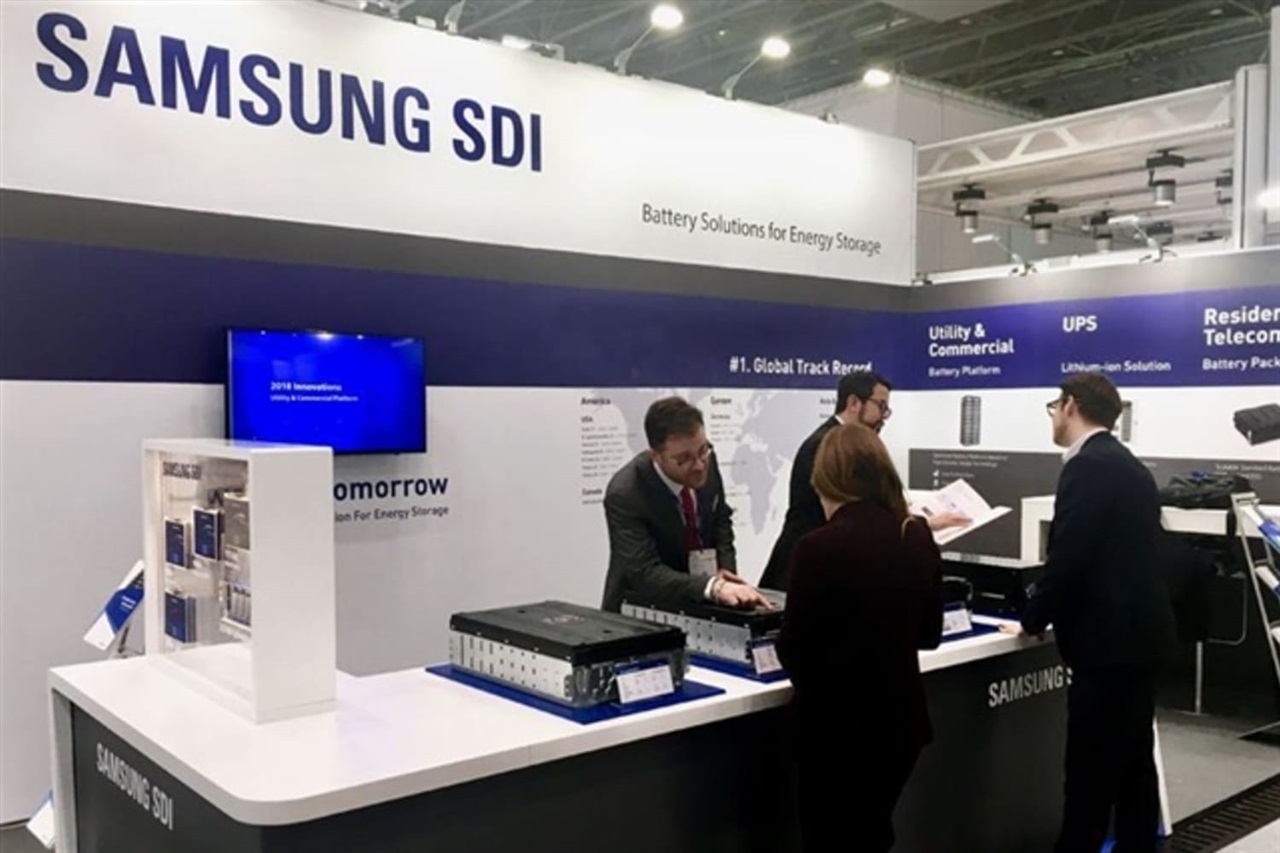
South Korea has opened a wide-ranging probe into suspected leaks of Samsung SDI’s prismatic battery technology, escalating concerns over intellectual property protection in the fast-growing electric vehicle supply chain. Prosecutors are investigating whether sensitive know-how may have been transferred through cooperation between domestic suppliers and Chinese firms, according to the allegations.
Prismatic batteries are a core component in electric vehicles and energy storage systems, prized for their high energy density and efficient packaging. For a leading battery maker, the designs, manufacturing processes, and quality controls behind these cells are strategic assets. Any unauthorized outflow of such information could undermine competitive advantages, impact global partnerships, and reshape pricing and innovation dynamics across the industry.
Authorities are expected to scrutinize relationships between local suppliers and overseas partners, looking at how information moves through complex production networks. The investigation underscores the growing pressure on companies to protect trade secrets as cross-border collaboration intensifies and battery demand surges worldwide.
Why this matters
– Prismatic battery IP is central to EV performance, safety, and cost.
– Potential leaks can erode market leadership and affect global supply chains.
– The case highlights rising scrutiny of cross-border tech sharing and supplier compliance.
– Findings could influence future policy on technology protection and export controls.
What companies may focus on next
– Strengthening confidentiality and data-access protocols with suppliers.
– Tightening oversight across subcontractor tiers and joint projects.
– Enhancing internal audits and employee training on trade secret handling.
– Reviewing cross-border cooperation to minimize IP exposure.
The investigation is ongoing, and the allegations have not been proven. If prosecutors substantiate the claims, it could lead to significant legal and commercial consequences, while also prompting broader reforms in how critical battery technologies are safeguarded.