The ongoing AI boom is putting unprecedented pressure on chip manufacturing, and TSMC is racing to expand capacity to meet a wave of 3nm orders. That surge has created a rare opening for Samsung Foundry to win more high-end customers—especially as Samsung pushes its next-generation 2nm Gate-All-Around (GAA) process and expands U.S. production through its Taylor, Texas facility. Still, one major issue continues to shadow Samsung’s ambitions: questions about yield stability and reliable high-volume manufacturing.
For many chip designers, having a second advanced foundry isn’t just nice to have—it’s a strategic necessity. As leading-edge nodes get more complex and more expensive, companies want options to manage supply risk, negotiate pricing, and keep product timelines on track. That’s why major names like Tesla and Qualcomm have reportedly explored dual-sourcing strategies, where chip production can be split between two manufacturers rather than relying on only one.
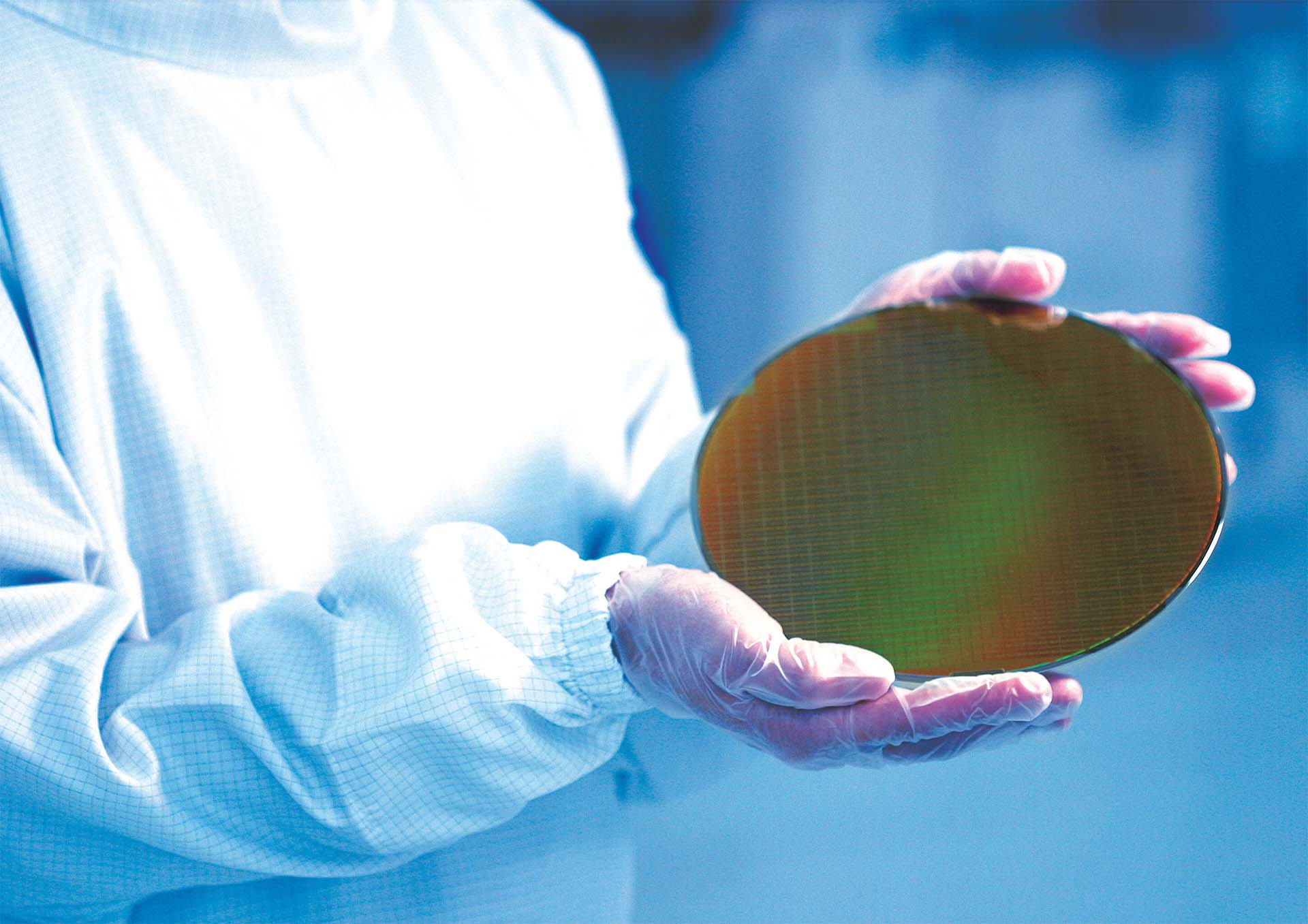
But interest doesn’t automatically translate into large orders. In advanced semiconductor production, yields—how many usable chips are produced per wafer—can make or break a manufacturing partnership. When yields are low, costs rise quickly because more wafers are needed to produce the same number of functional chips. The impact also ripples outward, disrupting schedules, slowing deliveries, and creating bottlenecks for downstream steps like module integration and final product assembly.
Samsung’s current challenge is that its 2nm GAA yields are reportedly around 60%. For demanding customers, that figure may not be enough to justify mass production at scale. In Qualcomm’s case, a dual-sourcing approach has reportedly been difficult to execute because the yield level is said to be roughly 10% below what Qualcomm considers an acceptable threshold for a smooth, cost-effective rollout. That gap can be the difference between a viable manufacturing plan and one that creates delays, uncertainty, and inflated per-chip pricing.
Tesla’s position appears somewhat different. The company has reportedly completed a design tape-out for its next-generation AI chip, AI5, which is a key milestone before manufacturing ramps. Even so, Tesla is still expected to rely primarily on TSMC for large-volume production, while Samsung is said to remain more of a backup option for certain AI5 variants. For Samsung, that’s both encouraging and sobering: it suggests Tesla sees real potential in Samsung’s advanced process capabilities, but also highlights how yield and consistency still determine who wins the biggest orders.
The reason yields matter so much at cutting-edge nodes is simple: each chip is already extremely expensive to manufacture. When yields fall short, the issue isn’t limited to wasted wafers. The entire production chain can suffer—from late shipments to delayed product integration—ultimately weakening the competitiveness of the final device. For companies operating on strict launch cycles, that kind of instability can threaten broader product roadmaps.
Despite the hurdles, Samsung isn’t out of the race. Access to advanced 2nm GAA technology still gives the company a meaningful seat at the table, particularly for customers seeking alternatives to TSMC. Samsung may also have an opportunity to prove its progress internally with its upcoming Exynos 2700, expected to be announced later this year. If that chip delivers strong performance and ships in meaningful volume, it could help demonstrate improved manufacturing maturity—and potentially rebuild confidence in Samsung’s ability to handle next-generation nodes at scale.
For now, the story is one of opportunity tempered by execution. The demand for advanced AI chips is massive, and the market clearly wants more than one leading-edge foundry. Whether Samsung can convert that demand into major, long-term manufacturing wins may depend on one factor above all: raising yields to the level where customers can bet their flagship products on Samsung without hesitation.