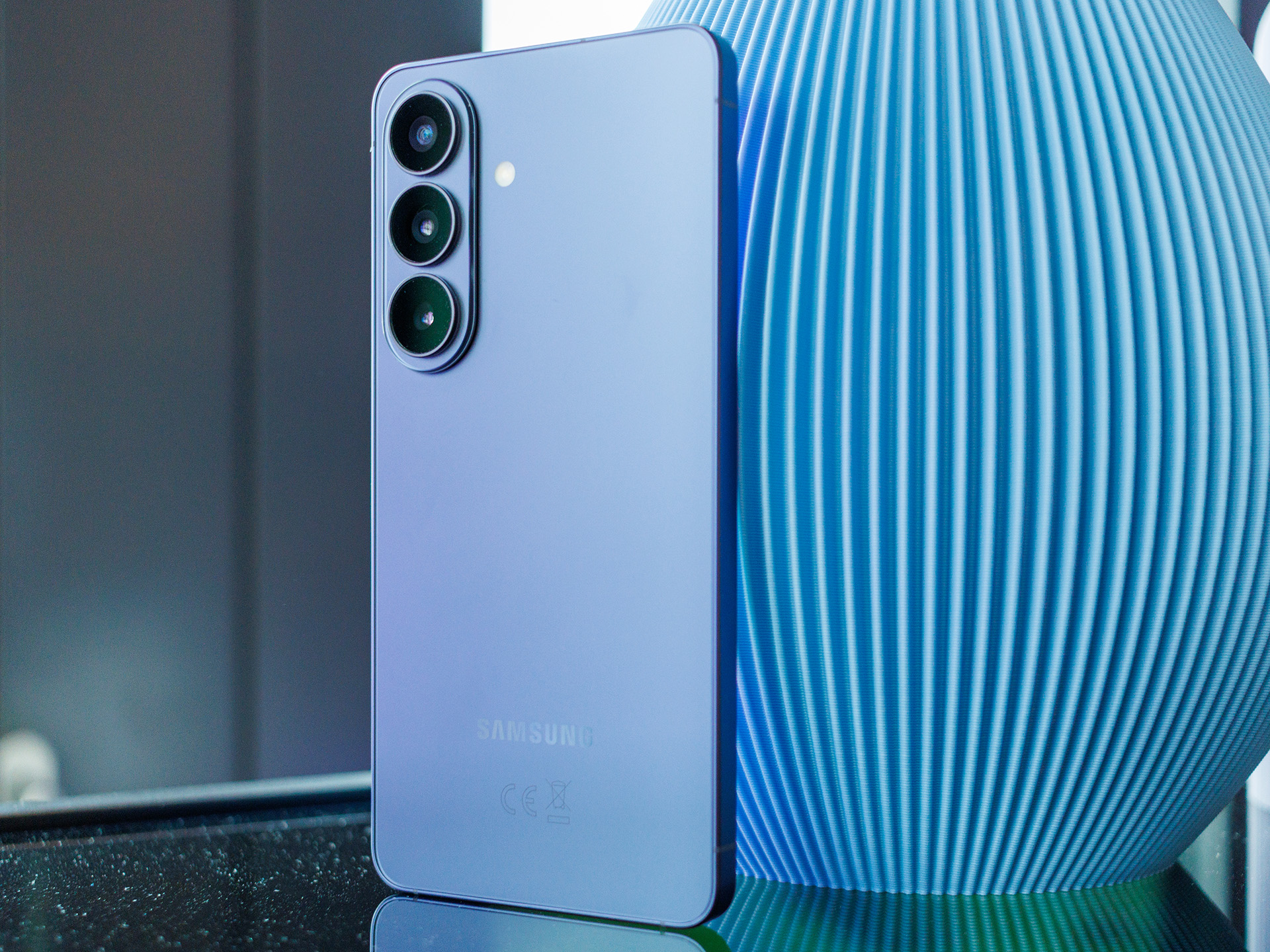
Samsung’s Galaxy S26 positions itself as a compact premium flagship with a refined, familiar formula, but there’s one omission that may matter a lot depending on how you use your phone: precise short-range location features.
When people talk about “precise location tracking” on modern smartphones, they’re usually referring to short-range wireless technologies such as NFC, UWB, and Bluetooth. Each plays a different role. NFC is best known for tap-to-pay and mobile payments. UWB (Ultra-Wideband) and Bluetooth, however, are increasingly important for smart home use cases and for locating nearby objects with greater accuracy.
Here’s the key takeaway for buyers: UWB is included on the Galaxy S26+ and Galaxy S26 Ultra, but the standard Galaxy S26 still doesn’t get UWB. That means the base model misses out on a technology that can significantly improve precision when locating tracking tags and can also serve as a secure access method for features like smartphone-based car keys or smart door keys. If those are features you rely on—or plan to use more often—this missing hardware could be a deciding factor.
Bluetooth matters here too. It already plays a big role in smart home connectivity and device finding, and the upcoming Bluetooth 6.0 is expected to narrow the gap with early UWB implementations when it comes to locating smart objects. Despite that, the Galaxy S26 is limited to Bluetooth 5.4, which feels like an intentional step down rather than a technical necessity. For buyers hoping the base model would become the “no-compromises” compact option, this choice may disappoint, and it raises expectations that future generations will avoid this kind of split between models.
Beyond connectivity decisions, the Galaxy S26 still delivers the kind of polished flagship experience many people want in a smaller device. It stands out with its Exynos 2600 processor, a 6.3-inch OLED display, and a 4,300 mAh battery. The overall hardware quality is described as top-tier, with excellent build, premium materials, and a high-end feel in hand.
The display is one of the biggest highlights. It’s notably bright, evenly lit, and tuned with precise color calibration, which helps whether you’re scrolling at home, watching videos, editing photos, or using the phone outdoors. Performance is also described as fast and reliable in daily use, backed by good reception and solid wireless performance overall. Another major advantage is Samsung’s long-term software support, with updates promised for seven years—a strong selling point for anyone planning to keep their phone longer.
Still, there are a few areas where the Galaxy S26 plays it safe. Charging remains at 25W, which can feel conservative in a market full of faster-charging rivals. Battery life is only moderately improved in everyday use, so don’t expect a dramatic leap from the previous generation. Under sustained heavy load, the chipset reportedly throttles, which could matter for extended gaming sessions, long 4K recording, or demanding workloads. The camera hardware also stays largely in line with the predecessor, suggesting image quality improvements—if any—may be more incremental than transformative.
Overall, the Galaxy S26 isn’t a dramatic reinvention. It’s a carefully refined flagship that shines most in display quality, premium design, and day-to-day usability, while asking potential buyers to accept notable omissions—especially the lack of UWB and the decision to stick with Bluetooth 5.4 on the base model. For many, it will still be an excellent compact Android flagship, but for power users invested in the latest object-finding and digital key features, the missing short-range precision tech could be the one compromise that’s hard to ignore.