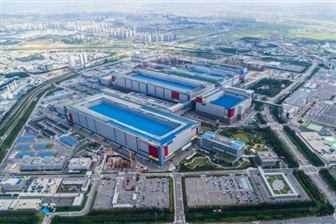
Samsung Electronics is reportedly speeding up construction and expansion work at its massive Pyeongtaek semiconductor complex, signaling an urgent push to strengthen its position in the fast-growing AI memory market. The goal is clear: ramp up next-generation high-bandwidth memory production to meet surging demand from global cloud computing giants and leading AI chipmakers.
According to reports from Korean media, Samsung has approved plans to convert additional space inside its Pyeongtaek P4 fabrication plant into dedicated 1c DRAM production lines. This move is widely seen as a strategic step tied to the company’s next wave of memory products, including future HBM4-focused output, as high-performance DRAM becomes increasingly essential for AI accelerators, data centers, and advanced computing workloads.
The reports also suggest Samsung is pulling forward key completion timelines for critical production areas within the P4 fab. By advancing finishing dates for important zones, Samsung could be positioning itself to bring capacity online sooner than expected—an increasingly important advantage as the race to secure HBM supply intensifies across the semiconductor industry.
High-bandwidth memory has become one of the most sought-after components in modern AI hardware. As model sizes grow and training and inference workloads scale up, AI processors rely heavily on fast, power-efficient memory to keep performance high. That pressure has pushed cloud providers and AI chipmakers to lock in long-term memory supply, creating strong momentum for manufacturers that can deliver the newest HBM generations at volume and with high yields.
If these expansion plans proceed as described, Samsung’s accelerated buildout at Pyeongtaek could help it respond faster to customer demand, secure more supply agreements, and remain highly competitive in next-generation DRAM and HBM technology.