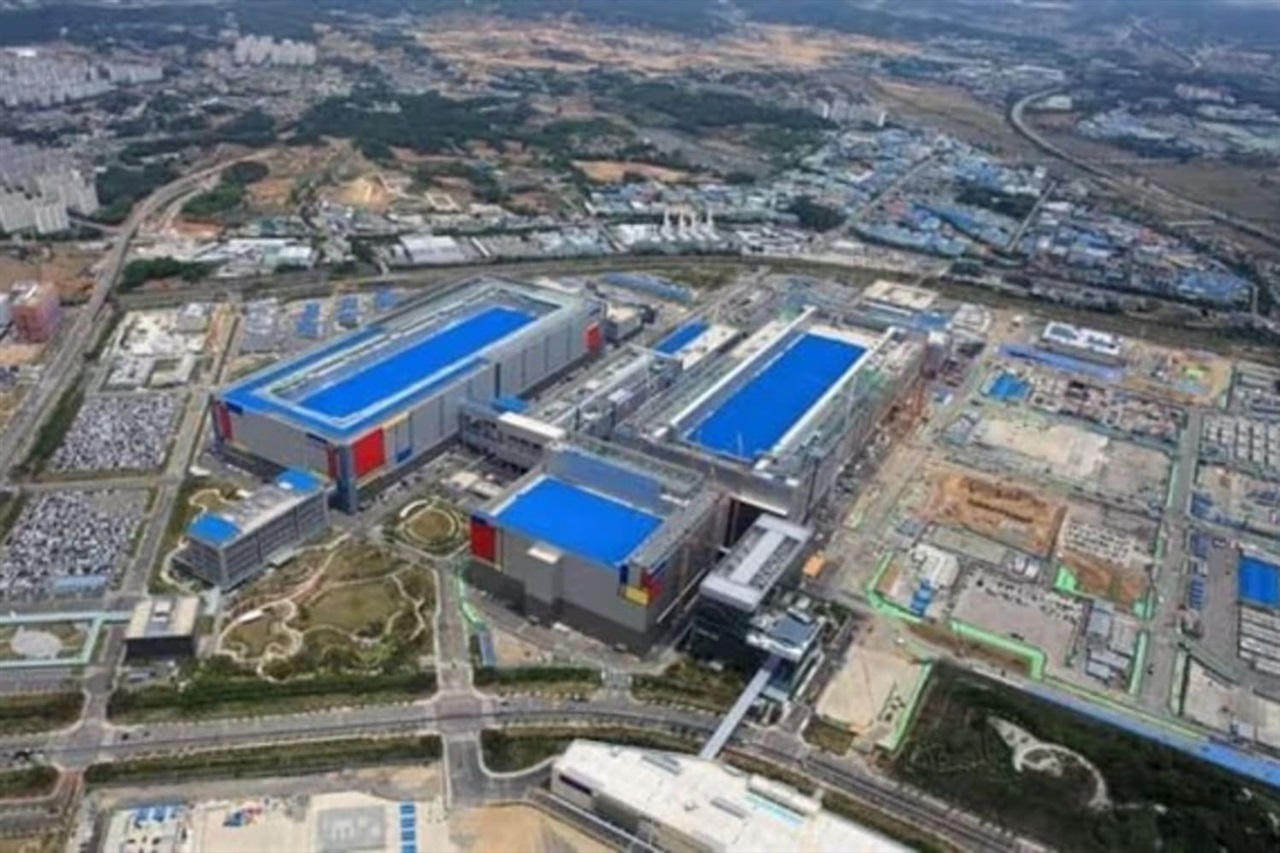
Samsung Electronics is accelerating its push into next‑generation AI memory by transforming its Pyeongtaek Campus Line 4 (P4) in South Korea into a manufacturing base focused on HBM4. According to industry analysts, the company is increasing the share of AI‑centric memory within its overall production mix and realigning equipment strategy to match rising demand for high‑bandwidth solutions.
HBM4, the next evolution of high‑bandwidth memory, is designed to feed data‑hungry AI workloads with far greater throughput and efficiency than conventional DRAM. By centering P4 on HBM4 manufacturing, Samsung is positioning its operations around the growing needs of data centers, AI training clusters, and inference at scale.
Why this matters
– AI is driving a structural shift in memory demand. As organizations deploy larger models and more complex pipelines, the bottleneck increasingly moves to memory bandwidth and latency. HBM4 directly targets that pain point.
– A production focus at P4 suggests deeper alignment between fab tooling and AI memory roadmaps, which can streamline ramp‑up, improve yield learning, and better match customer delivery timelines.
– Increasing the proportion of AI memory in the product mix helps meet surging orders from cloud, enterprise, and advanced computing customers while differentiating offerings in a competitive market.
What HBM4 brings to the table
– High bandwidth to keep GPUs and AI accelerators fully fed during training and inference
– Tighter power efficiency to control operating costs and improve thermal profiles in dense systems
– Scalable stacking and packaging approaches that enable larger memory pools for next‑gen workloads
A shift in equipment strategy
Refocusing P4 for HBM4 indicates a shift in fab equipment priorities toward processes and tools tailored for advanced stacking, packaging, and yield management specific to high‑bandwidth memory. This kind of strategic reallocation helps shorten time‑to‑market for new nodes and empowers faster iteration as AI requirements evolve.
What to watch next
– Ramp progress: How quickly P4 transitions to stable, high‑volume HBM4 output will influence availability for major AI deployments.
– Ecosystem adoption: As system builders and cloud providers plan new architectures, HBM4 availability will shape server design choices and deployment timelines.
– Product mix balance: The increasing share of AI memory production could recalibrate supply across different memory categories, with potential ripple effects for pricing and lead times.
The big picture
Samsung’s move to concentrate HBM4 at its Pyeongtaek P4 line underscores how central AI workloads have become to semiconductor strategy. By elevating AI memory within its production portfolio and tuning equipment to match, the company is aligning its manufacturing footprint with the most bandwidth‑intensive segment of modern computing.
For customers, the upshot is a clearer path to the memory performance required for training larger models, accelerating inference, and scaling AI services. For the industry, it signals a continued shift toward specialized, high‑value memory as the foundation of next‑generation compute.