Retroid Pocket 6 redesign heads to a fan vote after mixed first impressions
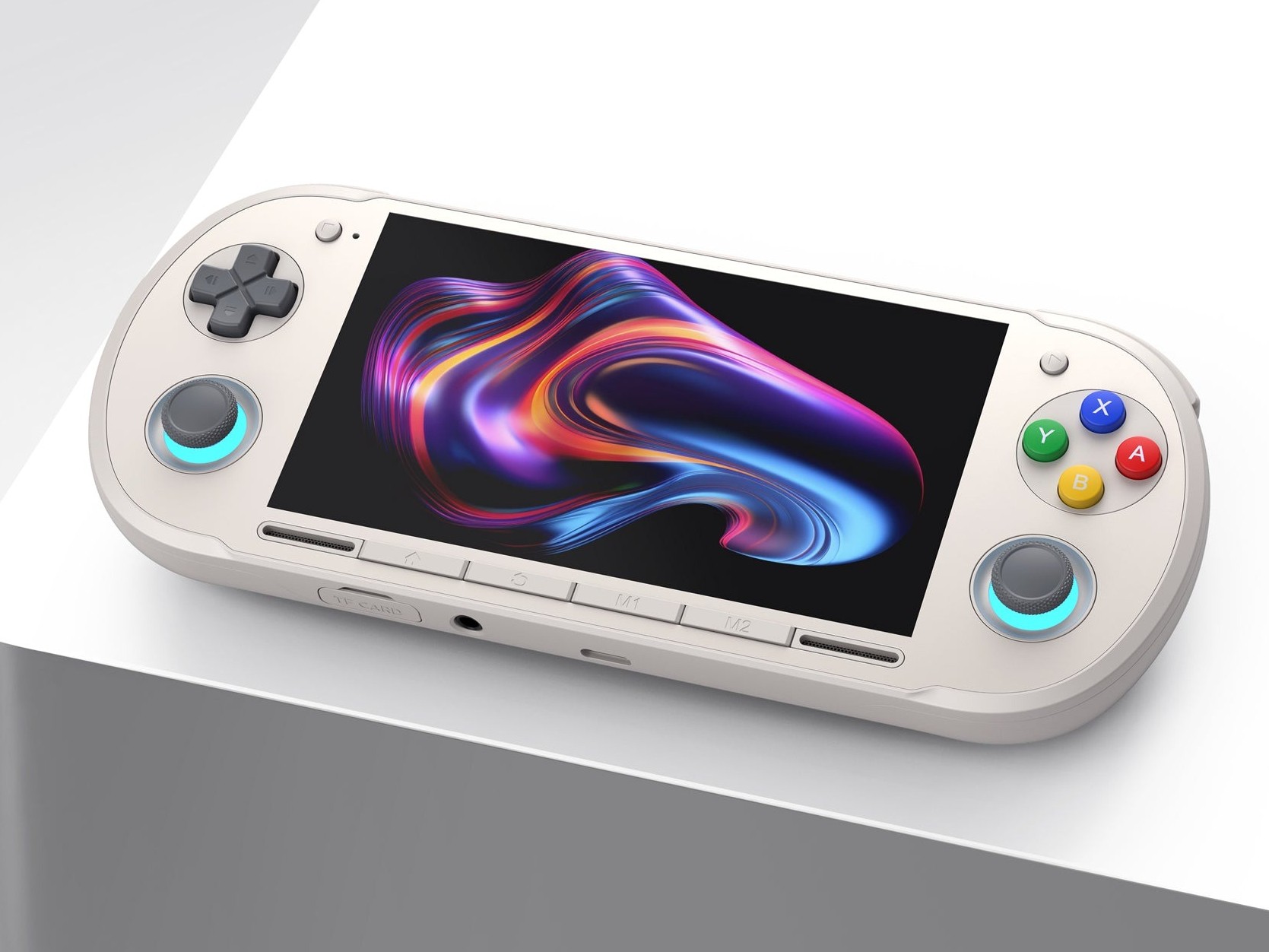
Retroid’s latest Android handheld lineup arrived with two models: the Pocket G2 and the all-new Pocket 6. While the G2 is essentially an updated take on the Pocket 5 with internal improvements, the Pocket 6 debuts a fresh look—and that’s where things got complicated. Early reactions to the Pocket 6’s design have been divided, pushing Retroid to do something unusual: ask the community to choose how the device should look.
Much of the feedback centers on ergonomics. The Pocket 6 uses symmetrical thumbsticks and places a row of buttons directly below the display. Many fans questioned both choices, prompting Retroid to share a revised mock-up and run two public polls to guide the final design.
Here’s what the revised Pocket 6 layout changes based on Retroid’s preview:
– No user-programmable buttons or speakers under the screen
– Programmable M1 and M2 buttons moved to the back
– Home and Back buttons relocated beside the left and right speakers
– Speakers shifted below the thumbsticks with slimmer slits, echoing the Pocket 5’s approach
– Screen size remains unchanged
The company also asked players to weigh in on stick placement: keep the symmetrical layout with the D-Pad on top, or go asymmetrical with the left stick above the D-Pad—similar to devices like the AYN Odin 3.
As of the latest tally, both polls have drawn more than 7,000 votes. Nearly 70% of participants prefer the revised front layout, and roughly 60% want the left stick placed above the D-Pad. That suggests a strong appetite for an asymmetrical configuration and a cleaner faceplate that prioritizes comfort and clarity.
The big unknown is what happens next. Will Retroid relaunch the Pocket 6 with the new design? If so, does the updated version replace the current model, or will both be sold side by side for different preferences? A full redesign could introduce production delays, but it might also yield a more universally appealing handheld that better reflects how people actually play.
For now, the Pocket 6 sits at the intersection of community-driven design and rapid iteration. If Retroid follows the voters, expect a Pocket 6 that looks and feels closer to today’s ergonomic favorites, without sacrificing screen size or core features. And if the company manages the transition smoothly, this public redesign could become a case study in how to build a better handheld by listening to the players who use it most.